Logo Extime Hosted by ParisAéroport

The History of the Chateau de Chenonceau

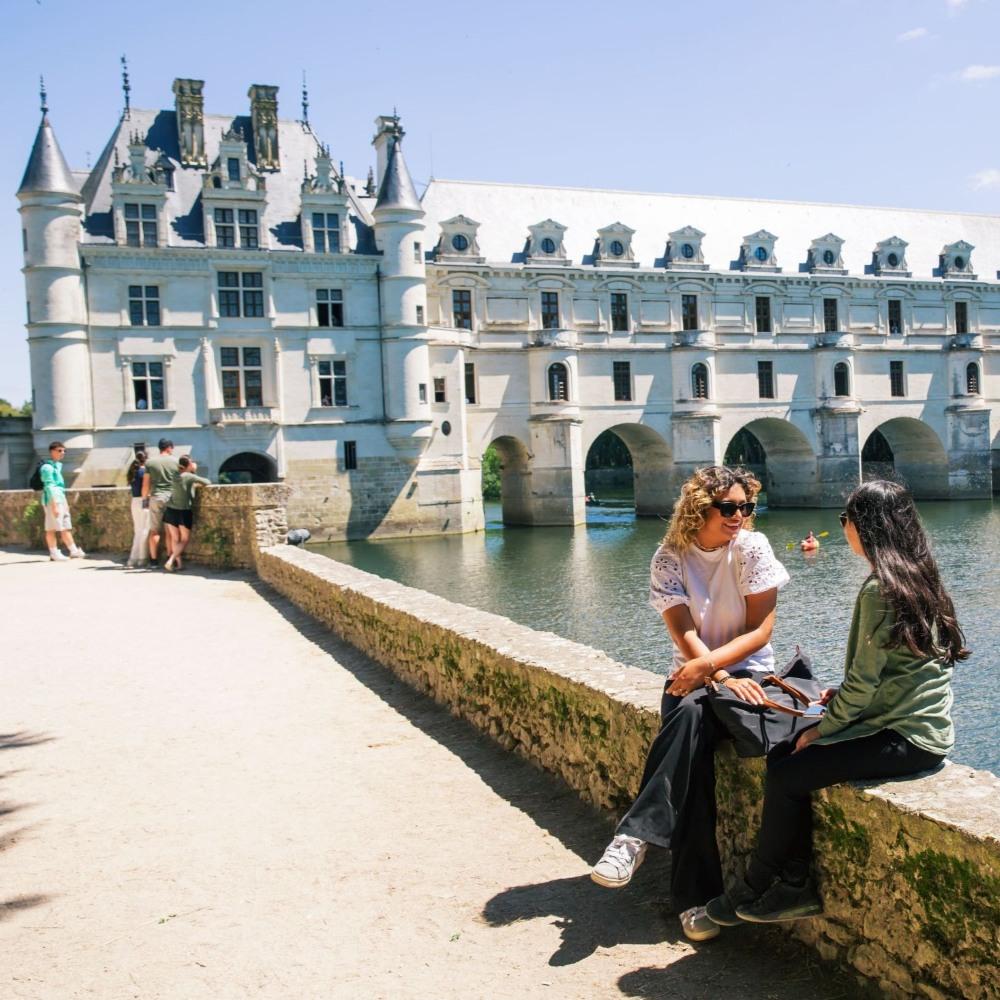
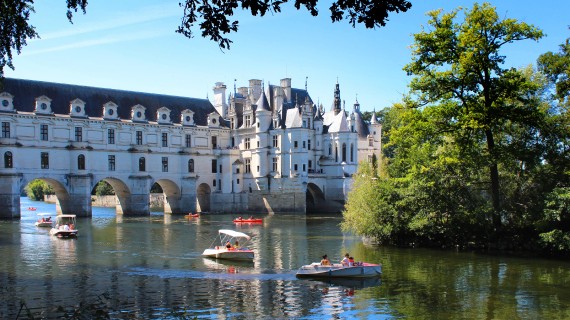
Among the most elegant of the Loire Valley castles, Chenonceau is famous for its grace and its privileged setting astride the Cher. It is also known as the Castle of Ladies, for its story is marked above all by the remarkable women who built, embellished and protected it across the centuries.

Before the castle: a site with deep roots

The castle we know today has not always existed, yet the site of Chenonceau is mentioned long before it. Records point to a fortified mill on the Cher as early as 1230, along with a medieval fortress dating from the thirteenth century. On these foundations a new vision would eventually rise, the graceful Renaissance residence that draws visitors from around the world.

Katherine Briconnet and the first castle

The Chenonceau we admire today was built in 1513 by Katherine Briconnet, the first of the dynamic women whose names run through the castle's history. Her work gave the estate its early Renaissance character and set the tone for the refinements that successive owners would add over the following centuries.

Diane de Poitiers and her garden

King Henri II gave Chenonceau to Diane de Poitiers, Duchess of Valentinois, the wealthy and celebrated royal favorite. She developed the right bank of the Cher and commissioned Pacello da Mercoliano to lay out a magnificent garden that still bears her name today. Her terraced parterre, set above retaining walls, seems almost suspended over the waters of the river.

Catherine de Medicis and the great gallery

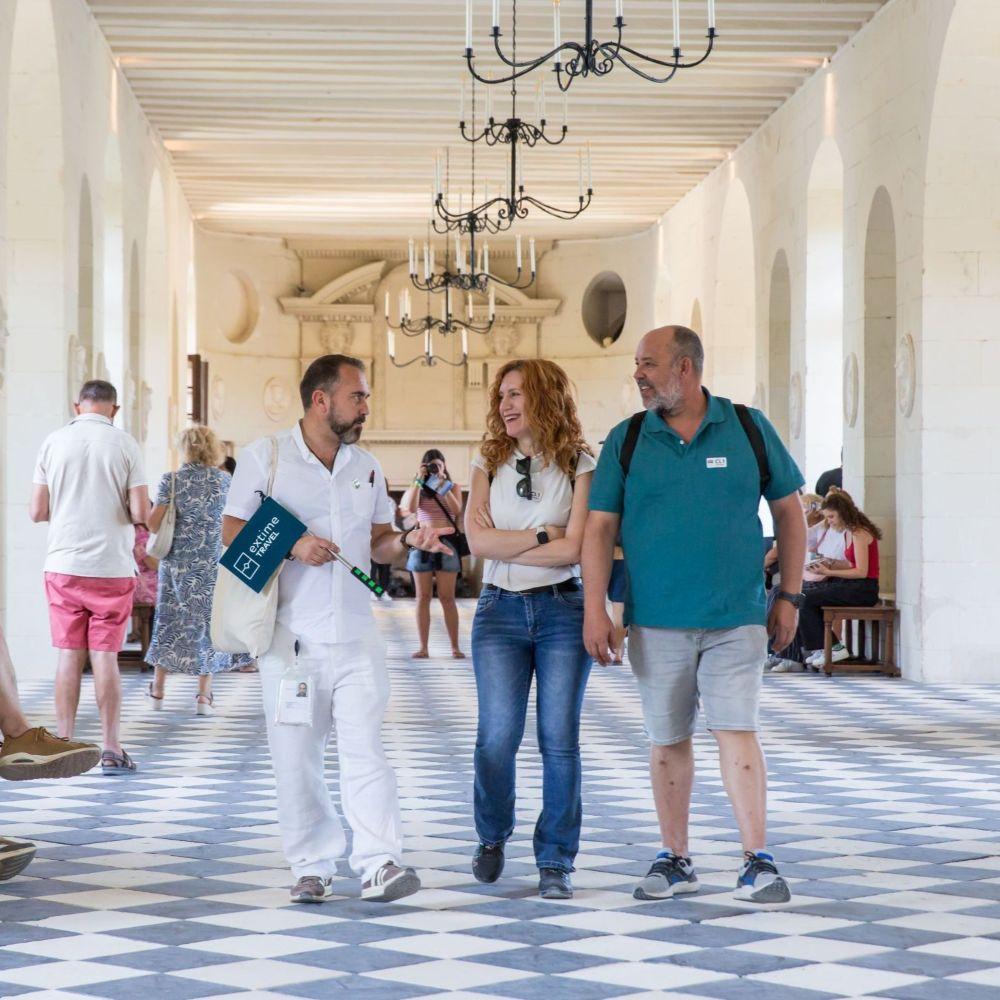
The death of Henri II prompted his widow, Catherine de Medicis, to reclaim the castle. She in turn set about embellishing it, and to her we owe a pivotal moment in the history of Chenonceau, the construction of the splendid gallery that spans the Cher and allows visitors to cross the river under cover. This bridge gallery became the signature feature of the castle and the heart of its festive life at court.

From the Dupin family to the Menier era

Bought by the Dupin family in 1733, Chenonceau enjoyed many peaceful years and was spared the excesses of the Revolution. It was sold again in 1864 to Marguerite Pelouze, and the last change of ownership in its long history came in 1913, when Henri Menier acquired the estate. Through each of these hands the castle kept its identity as the Castle of Ladies, a monument shaped by emblematic figures of their time.

Good to know

A fortified mill stood on the Cher as early as 1230, with a medieval fortress in the thirteenth century.
The current castle was built in 1513 by Katherine Briconnet.
Catherine de Medicis built the gallery spanning the Cher; the Menier family acquired the estate in 1913.

You might also like

Frequently asked questions

Why is Chenonceau called the Castle of Ladies?

Its history was shaped by influent women, including Katherine Briconnet, Diane de Poitiers, Catherine de Medicis and Madame Dupin, who built, embellished and protected the castle across the centuries.

Who built the gallery over the Cher?

Catherine de Medicis, who reclaimed the castle after the death of Henri II, built the splendid gallery that spans the river.

When was the current castle built?

The Chenonceau we know today was built in 1513 by Katherine Briconnet and Thomas Bohier, on a site with much older roots dating back to a fortified mill in 1230.