A castle willed by François I
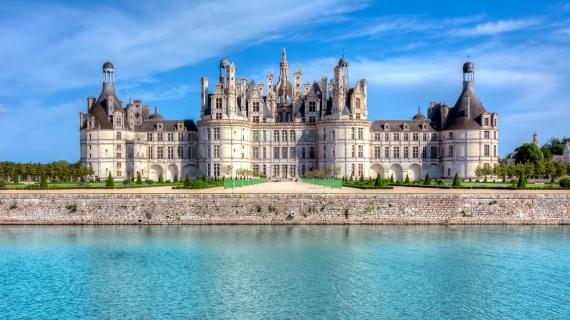
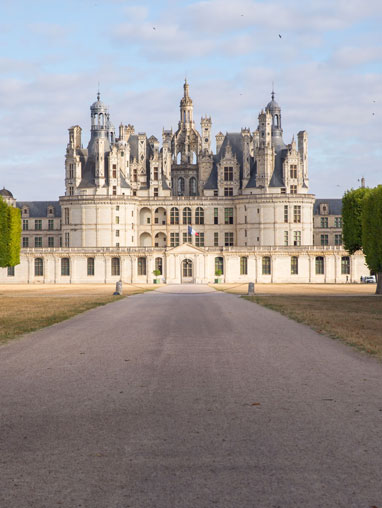
The story of Chambord begins in 1519, when the young King François I set in motion the immense project. He wanted a residence that would dazzle the court and proclaim his power, and Chambord was the first castle he conceived entirely as his own. The site, at the edge of a game-rich forest, was perfect for the hunt the king loved, even if the marshy ground was far from ideal for a building on such a scale.
A technical challenge in the marshes
Raising so vast an edifice in a marshy zone was a genuine feat of engineering. To stop the massive stone walls from sinking into the soft, waterlogged soil, the builders had to drive enormous wooden piles deep into the ground. Visitors cannot see these astonishing foundations today, but knowing they are there only deepens the wonder at the grandeur that rises above them.
Four hundred rooms, and a king who barely stayed
With its 400 rooms and its hundreds of fireplaces, Chambord entered history as the castle willed by François I. And yet, for all the king's devotion to the project, he resided there for only 72 days across his entire reign. Chambord was less a home than a manifesto, a work of architecture the king delighted in showing to sovereigns and ambassadors as a symbol of his power set in stone.