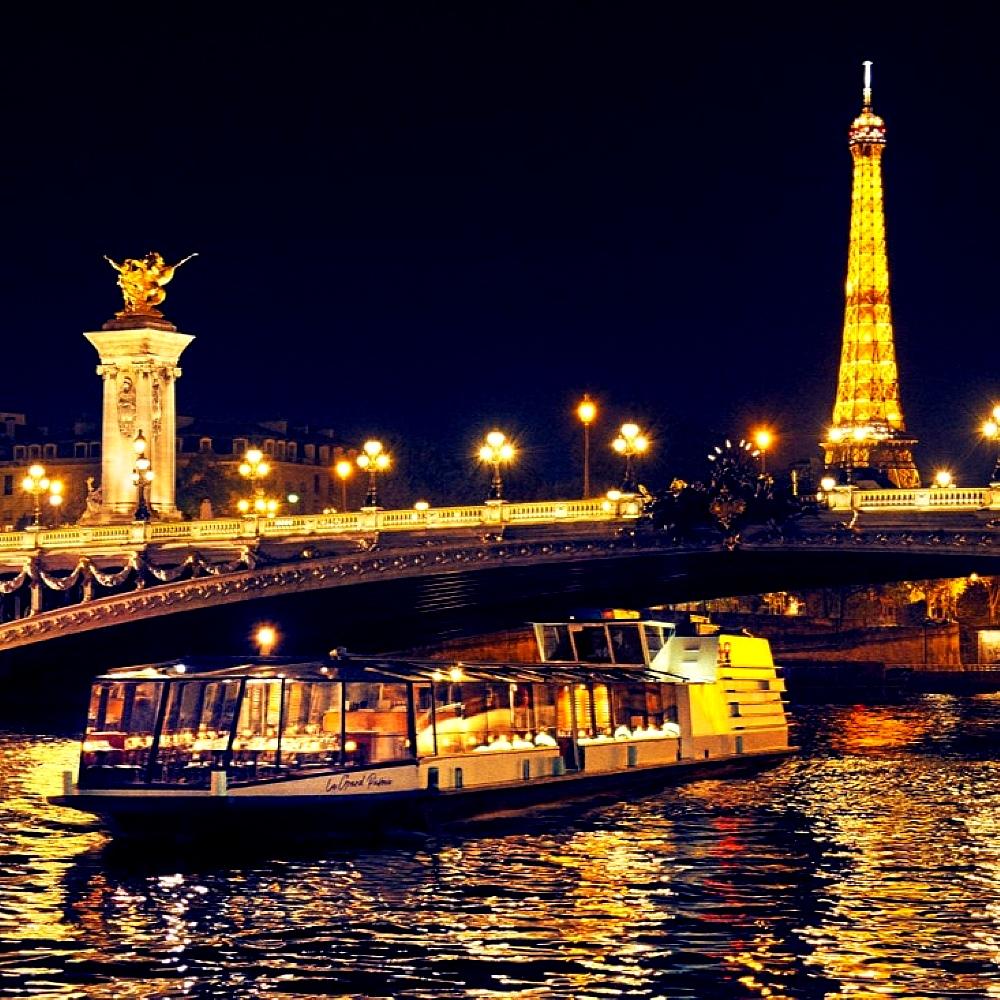
Pont Alexandre III, the most ornate of all
Inaugurated for the 1900 Universal Exhibition, Pont Alexandre III is recognised as one of the most beautiful bridges in Europe. Gilded ornaments, allegorical sculptures, lampposts and pillars topped with cherubs make it a museum piece in its own right.
Linking the Esplanade des Invalides to the Grand Palais, it offers a remarkable perspective on both banks. A spot that delights both photographers and walkers, day and night.
Pont Neuf, the oldest paradox
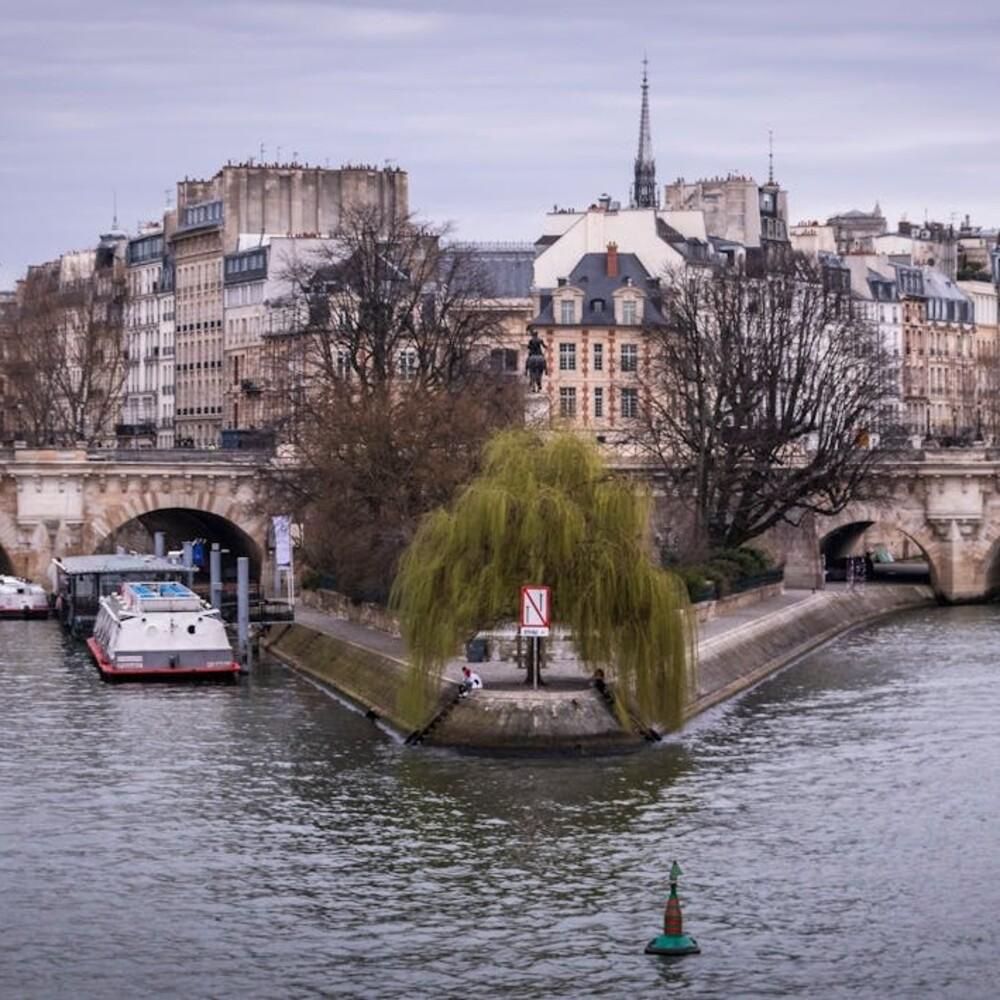
Despite its name, Pont Neuf is the oldest bridge still standing in Paris. Built under Henri IV at the very end of the sixteenth century, it crosses the western tip of Île de la Cité and offers postcard views of the city.
Listed as a UNESCO World Heritage Site as part of the banks of the Seine, it has appeared in countless paintings. Walkers can also notice the marks indicating the highest river levels, traces of the floods that have shaped the memory of the capital.
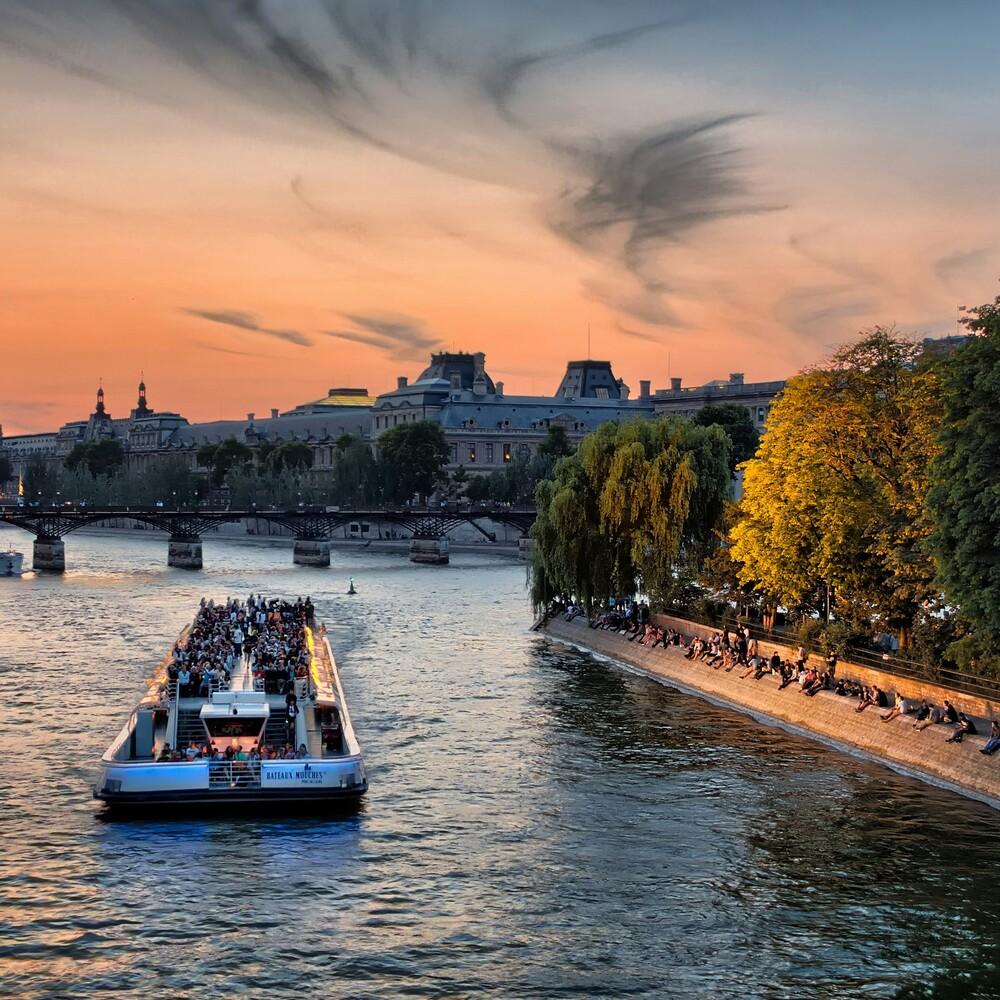
Pont des Arts, footbridge of the Louvre
Pedestrian and made of metal, Pont des Arts links the Louvre Museum to the Institut de France. Its structure dates back to a 1984 reconstruction, faithful to the spirit of the original bridge from the early nineteenth century, after the original was weakened by World War II bombings and a partial collapse in 1979.
Once covered in love padlocks, the bridge has been freed from this weight to preserve its structure. Today, it remains a much-loved viewpoint on the river and one of the symbolic walks of central Paris.
Pont de Bir-Hakeim, between memory and modernity
Originally called Pont de Passy, Bir-Hakeim is dedicated to the memory of the Free French Forces and the battle that took place in Libya in 1942. Its two-level structure carries Metro line 6 above road traffic.
Located near the Eiffel Tower, the bridge offers one of the most evocative perspectives on the Iron Lady. A view that has long inspired filmmakers and photographers, especially at sunrise and dusk.