A worldwide phenomenon
The Da Vinci Code is a novel that enjoyed international success in the early 2000s. Presented as a work of fiction, the story told by Dan Brown goes beyond mere imagination, and the secrets revealed during the investigation led by Robert Langdon and Sophie Neveu make readers feel they could be real events, to the point that part of the Church spoke of defamation. The book sold more than 80 million copies and was adapted for the big screen in 2006 by director Ron Howard, whose earlier films include Apollo 13. Few novels have sent so many readers straight to a museum in search of answers.
The Arago medallion and the Rose Line
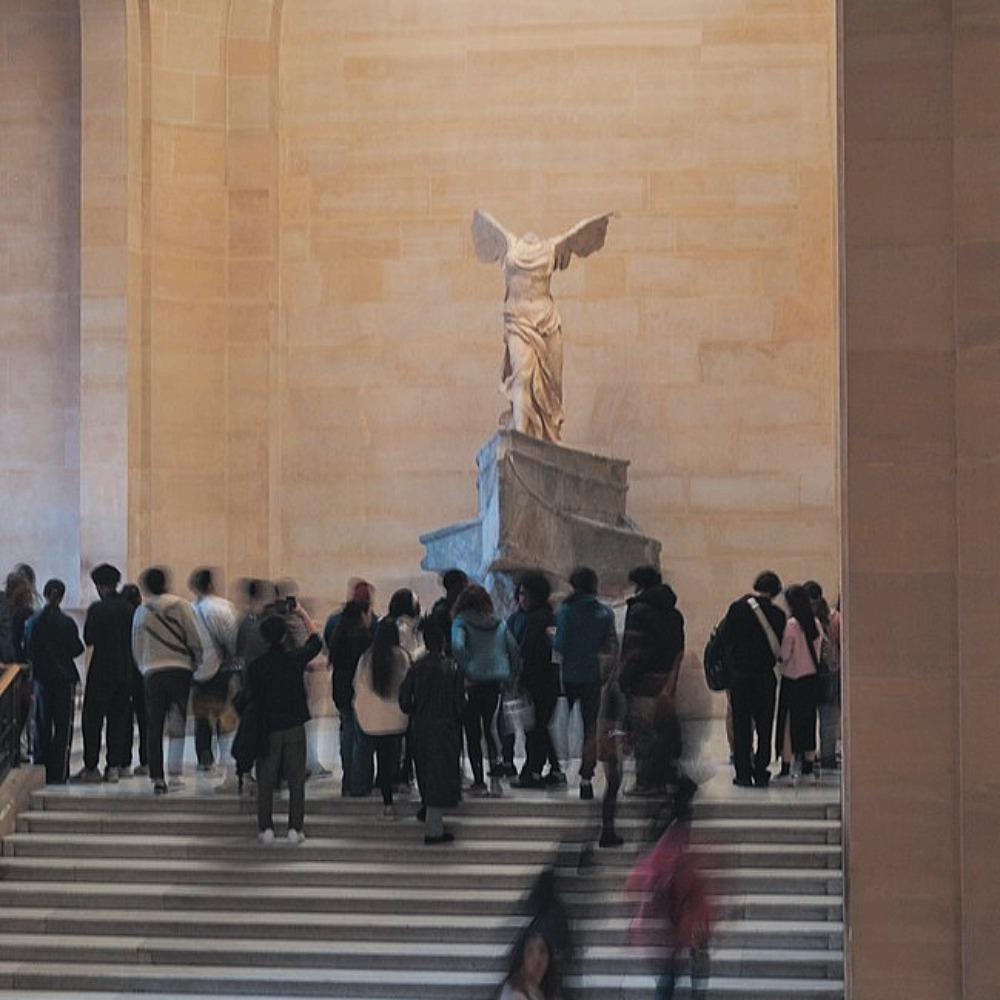
On the staircase that is home to the Winged Victory of Samothrace, the Arago medallion led Robert Langdon to follow an imaginary line, the Paris meridian known in the book as the Rose Line. The Arago medallion is a contemporary work by Jan Dibbets, installed in the Louvre in 1995, and there are 135 of them across Paris. You will find this point in the Denon wing, in room 3, reached from the Daru staircase, the third room to the right of the Winged Victory of Samothrace. Small and easily overlooked, it is the kind of detail that rewards visitors who know where to look.
Fiction meets the museum
What makes the trail so appealing is the way it sets a novelist's imagination against the reality of the collections. Some of the claims made in the book have been widely debated, while others rest on genuine historical curiosities, and the museum leaves visitors free to judge for themselves. Following the route turns a visit into a kind of investigation, where each stop invites you to look more closely at composition, symbols, and details you might otherwise have passed by. Fiction, here, becomes a doorway into the works themselves.
A hidden secret
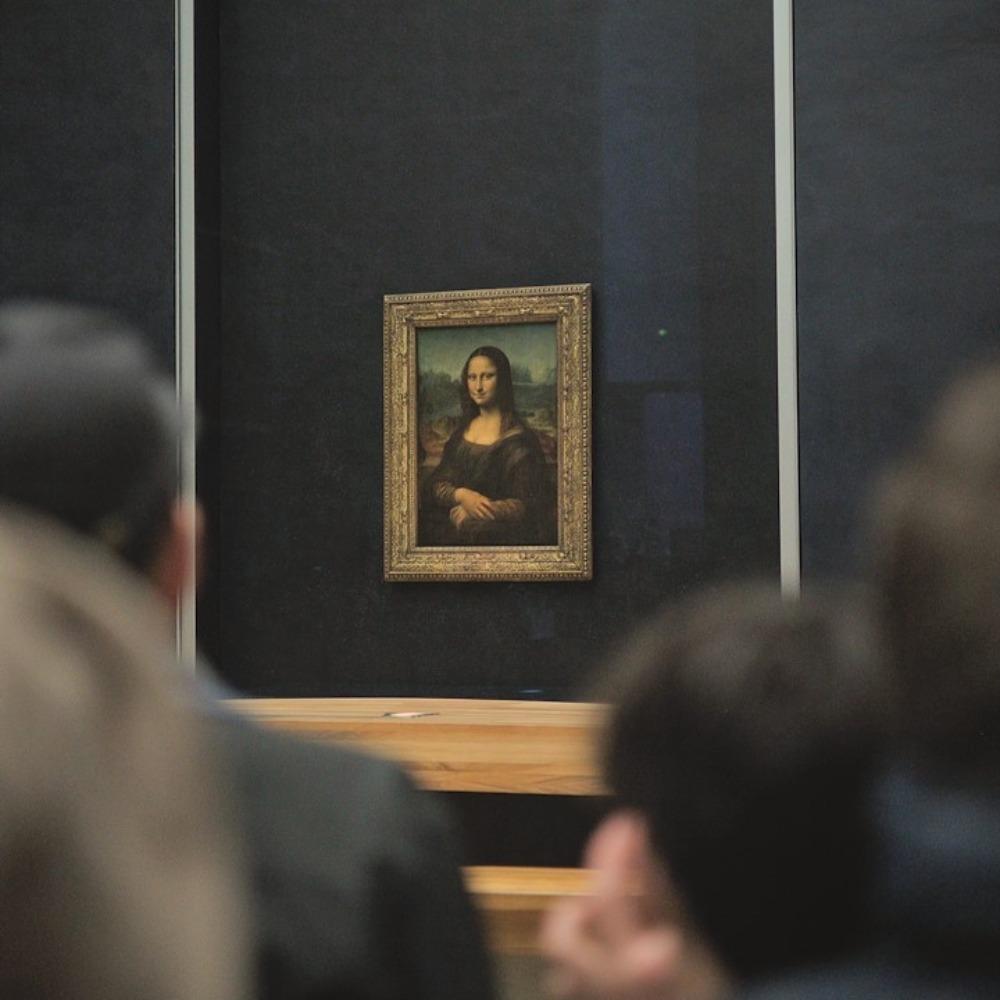
Among the works on the trail, a painting by Leonardo da Vinci is said to hold a hidden secret, with the mystery lying in the position of the Virgin's hand. Walking from one location to the next, fans of the Robert Langdon stories can compare the novel's claims with the works themselves and let the museum's galleries tell their own story. Whether or not you are convinced, the experience offers a genuinely different way of discovering the Louvre.