Logo Extime Hosted by ParisAéroport

Giverny travel guide: the keys to a successful day

More than a simple village, Giverny is a journey through the colors and intuitions of Impressionism. Garden, house, museum, surrounding paths: every space tells a piece of the story. Extime Travel offers you the keys to enjoy your visit with ease and serenity.

Monet, Giverny and the birth of a movement

Giverny owes its fame to one man. Claude Monet settled in this Normandy village in 1883 and spent more than forty years here, shaping the gardens and the light that would define so much of his work. It was on these grounds that he painted his celebrated water lilies, returning to the same pond and the same reflections canvas after canvas, chasing the way color shifts with the hour and the season.

His presence drew others. By the late nineteenth century, a lively colony of American artists had settled in and around the village, eager to learn from the master and to paint the same fields and waterways. Giverny became, in its own quiet way, one of the cradles of Impressionism, a place where the movement was not only admired but lived. Understanding this story adds depth to everything you see: the gardens are not simply beautiful, they are the painter's living studio. 

The must-sees of Giverny

Two highlights guide every visit, and each deserves unhurried time. 

The Claude Monet Foundation: the house and gardens

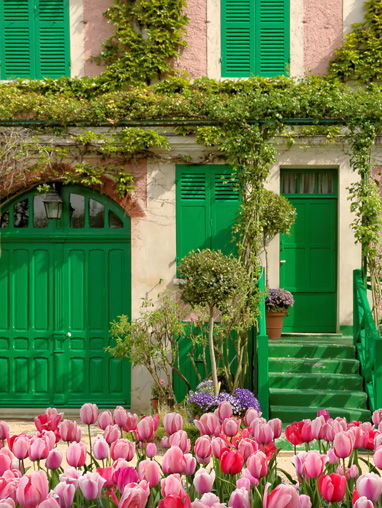
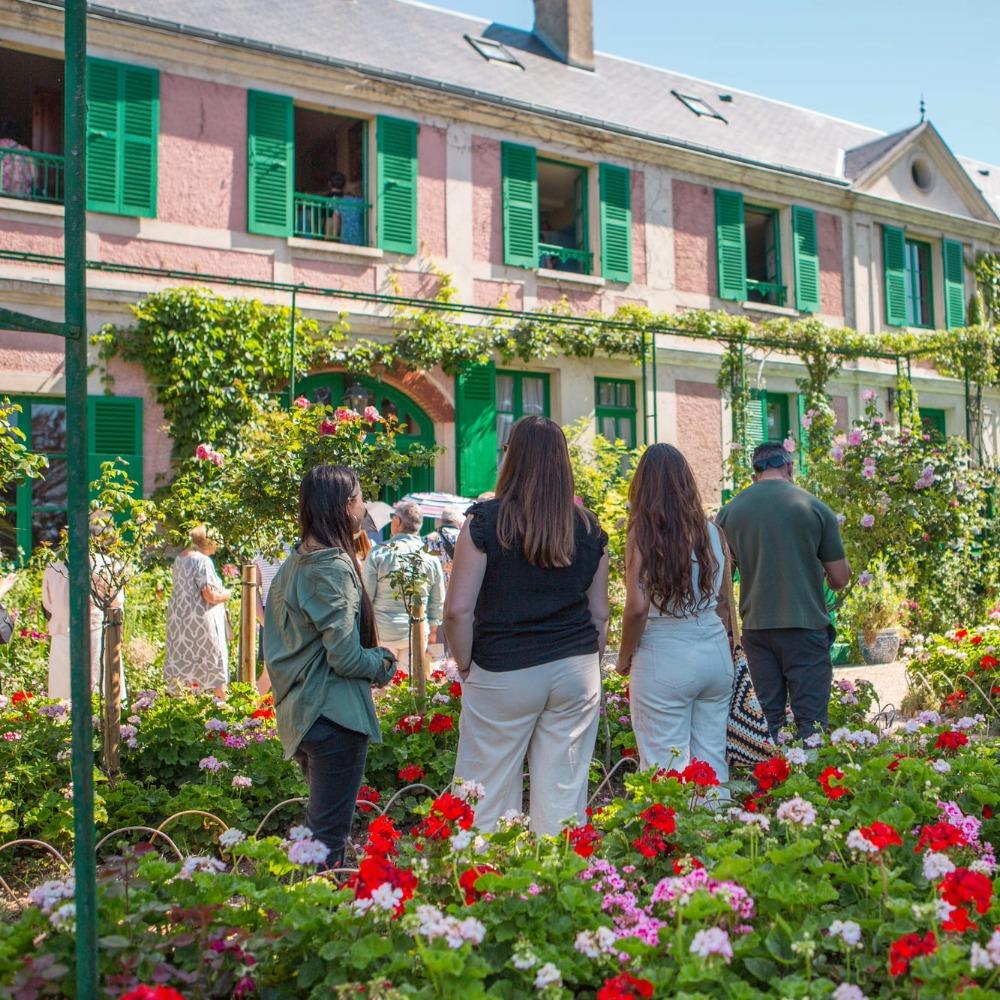
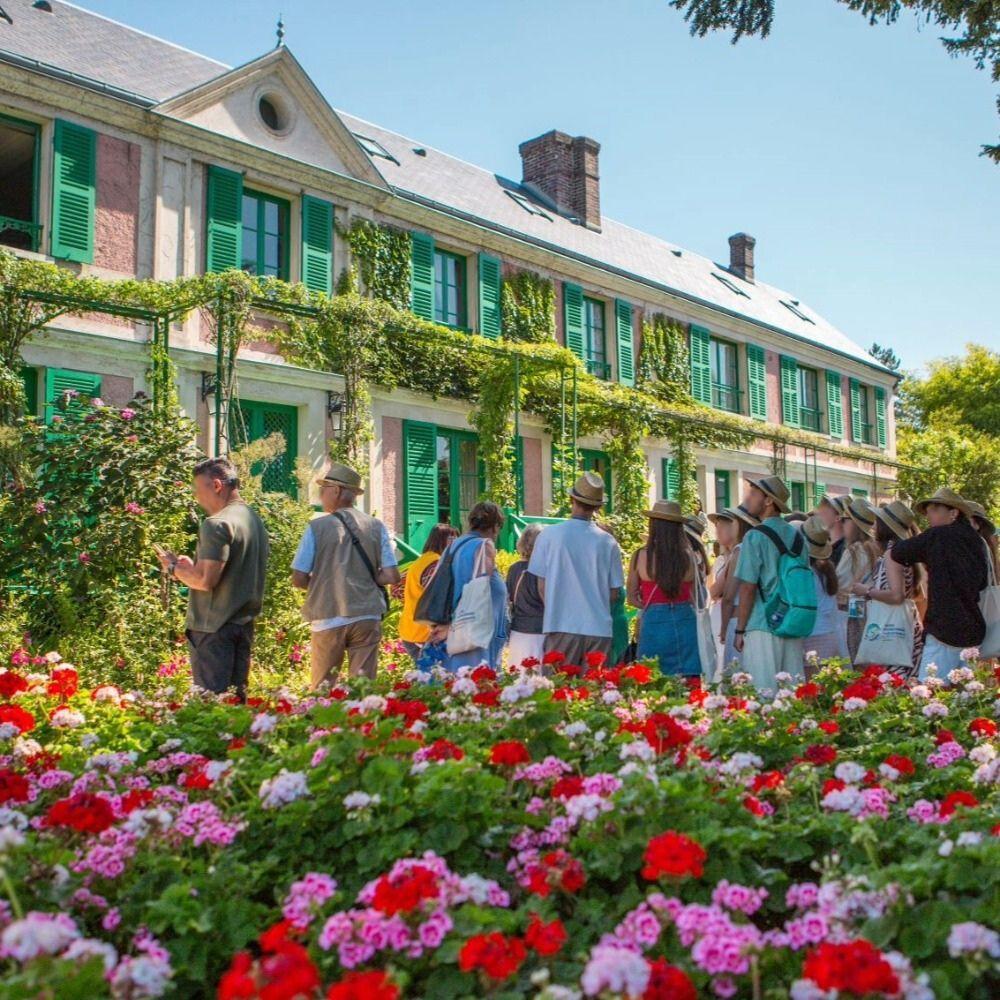
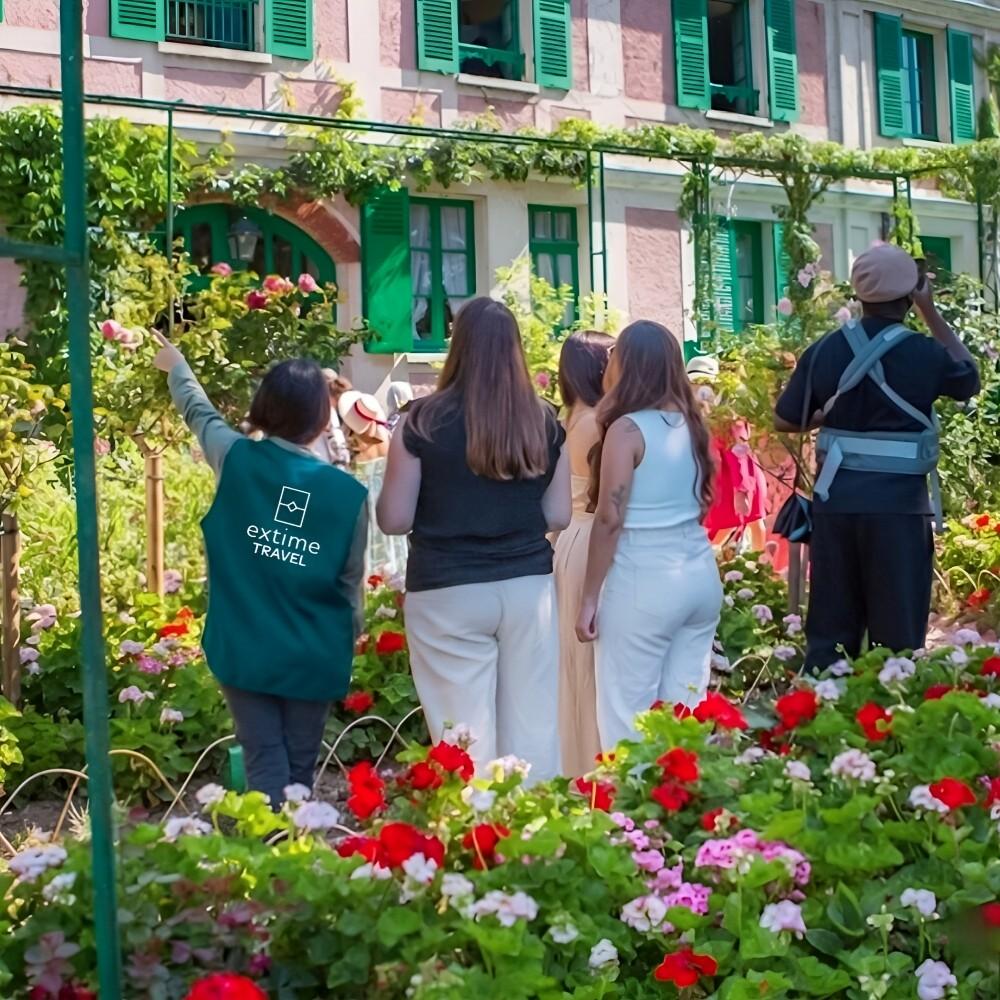
The first is the Claude Monet Foundation, built around the painter's house and his gardens. The house itself is a surprise: far from a sober artist's retreat, it is a celebration of color. The famous yellow dining room, the blue-tiled kitchen, the workshop-living room hung with reproductions of his paintings, and the bedrooms upstairs all reveal a man who treated his home as carefully as a canvas. From the windows you look straight out over the flowers, exactly as Monet did each morning.

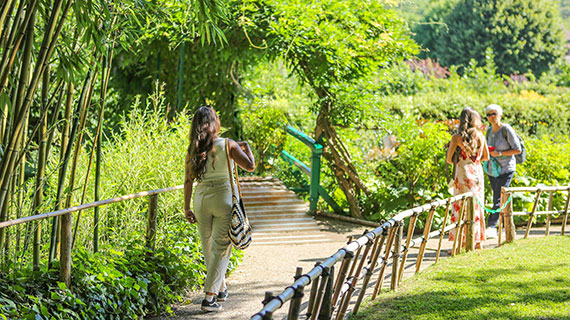
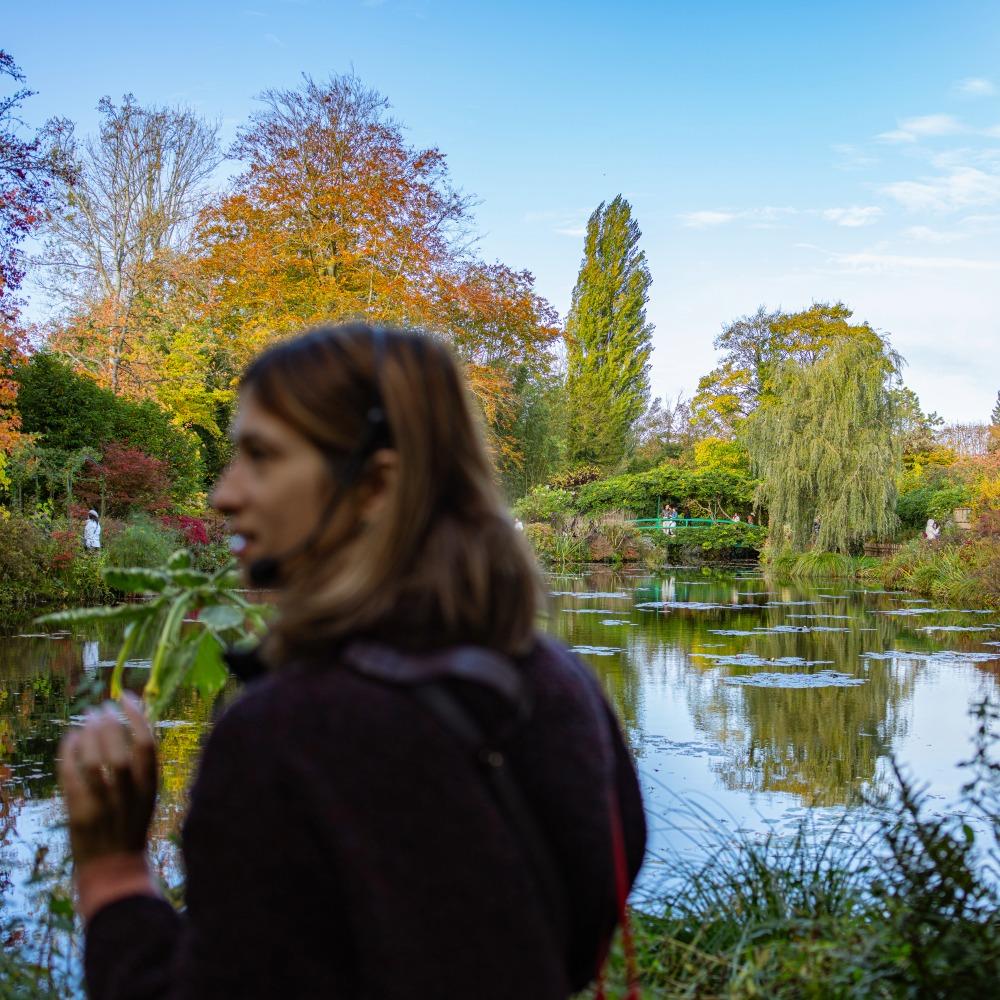
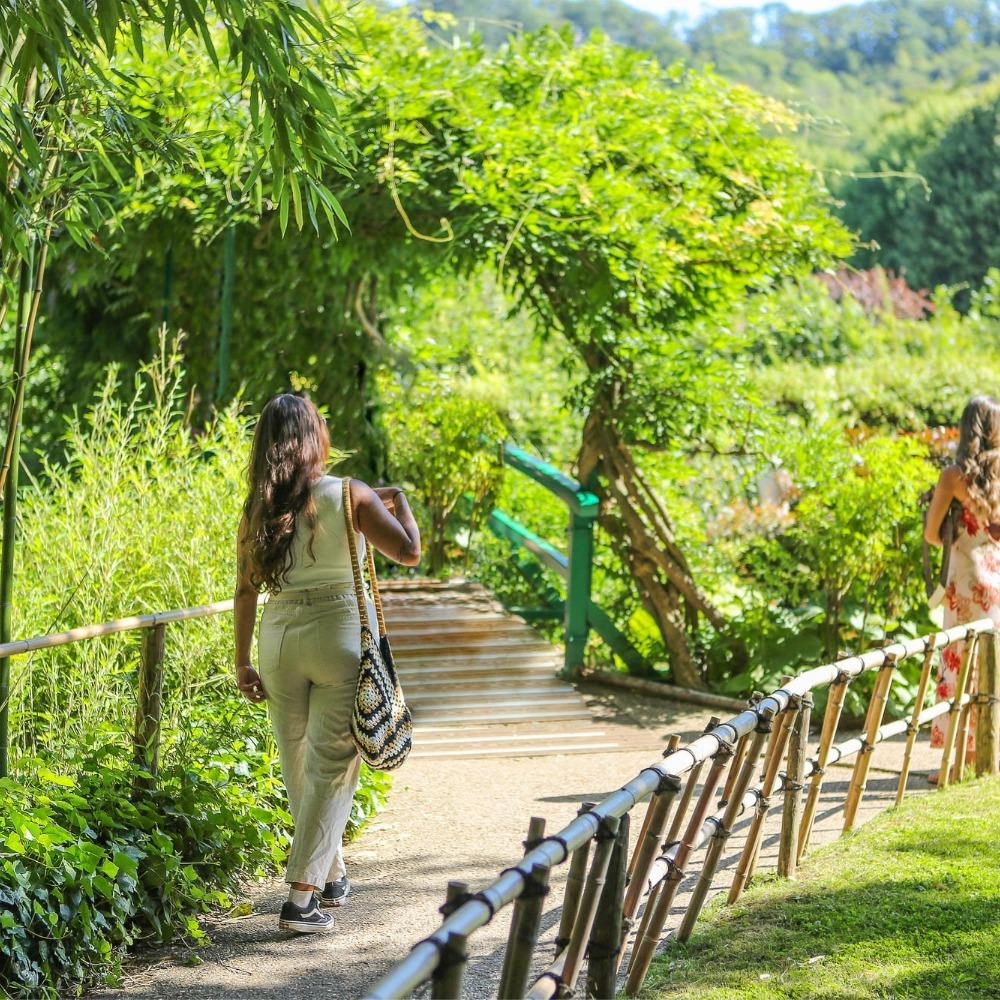
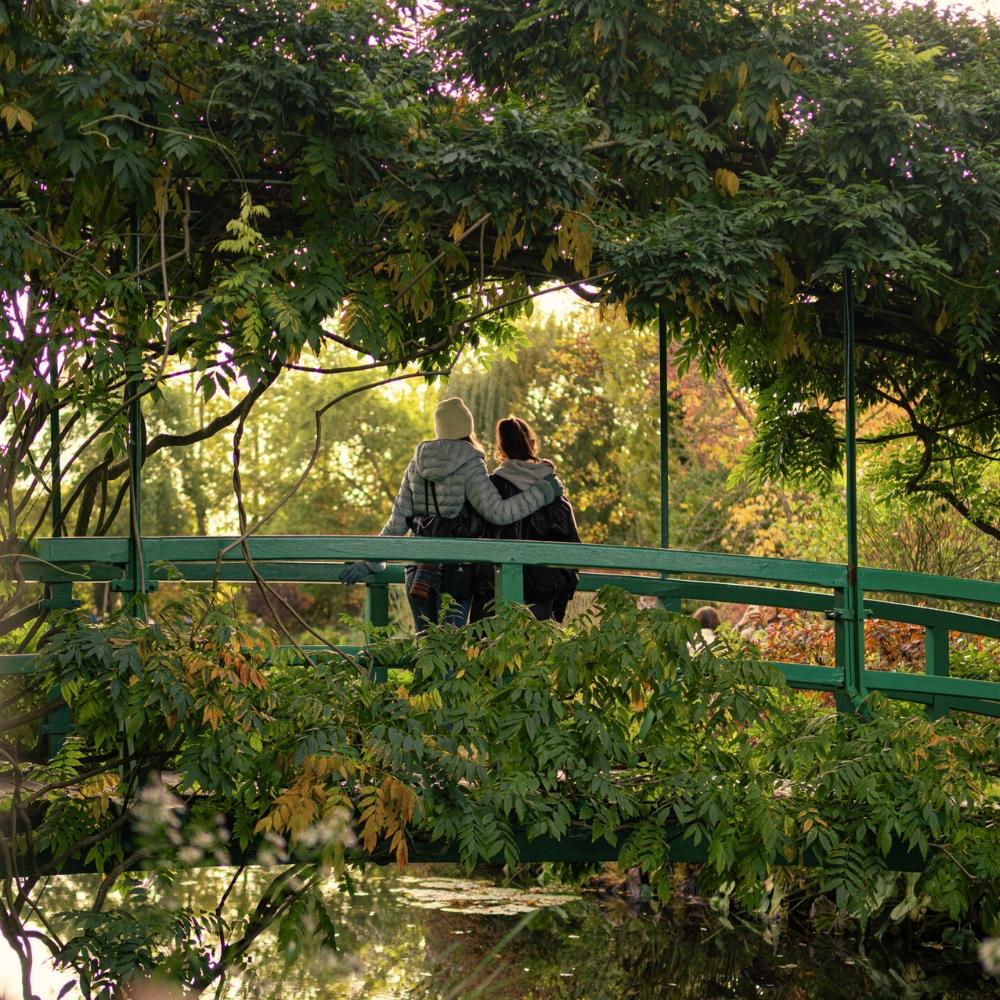
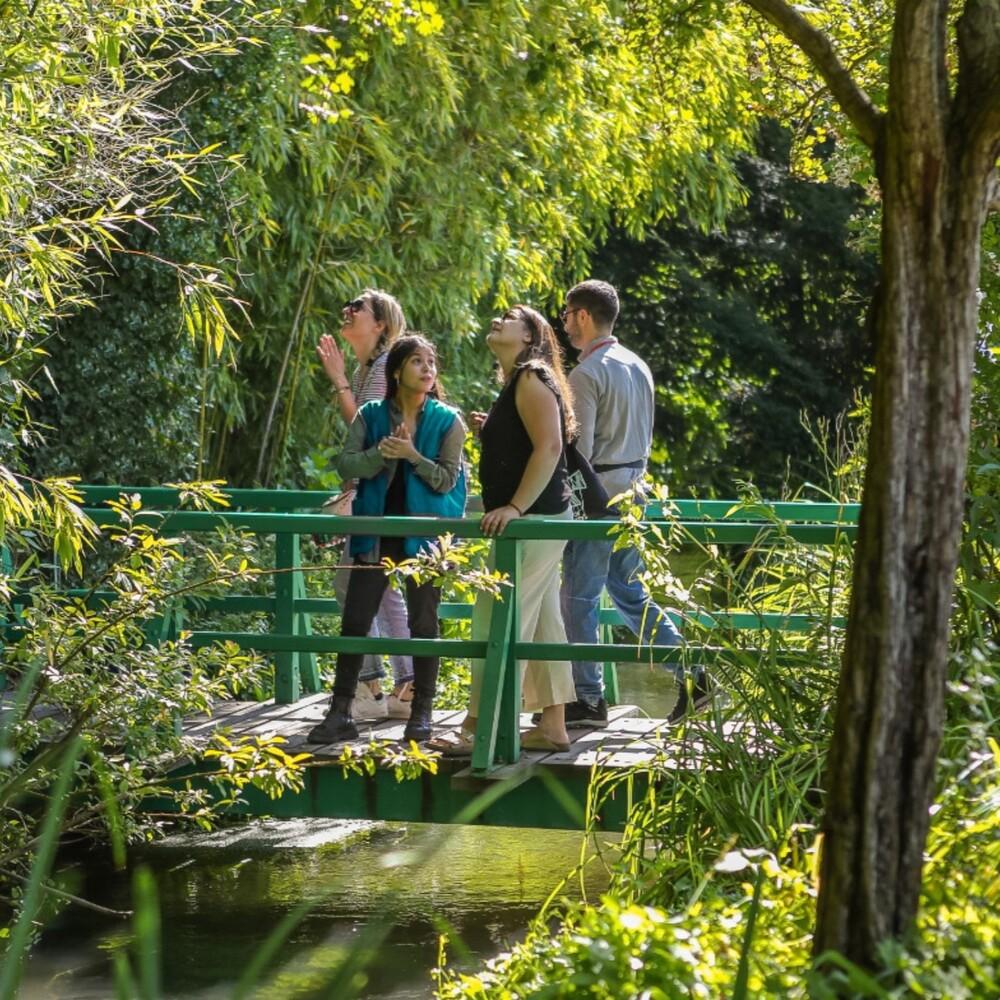
Outside, the gardens divide into two contrasting worlds. The Clos Normand, in front of the house, is a walled garden organized in long beds where tulips, irises, peonies, nasturtiums and roses bloom in dense waves of color. Monet planned the planting like a composition, mixing heights and tones so that the borders read almost like brushstrokes. A few steps away, reached by a small passage, lies the water garden, the Japanese-inspired landscape he created by diverting a branch of the river. Here are the green bridge, the weeping willows, the wisteria and the pond covered in water lilies, the very scene that filled the great canvases of his final decades. Crossing from one garden to the other, you move from vivid, structured color into something softer and more reflective, and you understand how a single place could feed a lifetime of painting. 

The Musée des impressionnismes Giverny

The second highlight, a few minutes' walk away, is the Musée des impressionnismes Giverny. Rather than focusing on Monet alone, it tells the broader story of the movement and the artists who carried it across France and abroad, including the American painters who made Giverny their home. Its temporary exhibitions change with the seasons, pairing original works with contemporary perspectives, so the museum offers something new even to returning visitors. Together with its collections, it gives context to everything you have just seen in the gardens, placing Monet within the wider current of Impressionism. 

When to visit

The site is open from late March to early November. Spring is the most flamboyant season: tulips, irises, peonies and roses follow one another in successive waves, the result of careful planting designed so that something is always in bloom. May and June remain particularly enchanting moments. To avoid crowds, prefer weekdays outside school holidays, and consider arriving early in the morning or staying into the evening, when the light softens and the gardens grow quieter. 

How to organise the day ?

A self-guided visit lets you wander freely. To enrich the experience, an audio guide or a guided tour reveals the secrets of Monet's life and the foundations of Impressionism. Several full-day formulas combine Giverny with other unmissable sites of Île-de-France or Normandy, such as the Palace of Versailles.

Allow about two to three hours to explore the house and gardens at a calm pace, then an additional hour for the museum. Take time to stroll through the village before or after, so the day feels like a journey rather than a checklist.

Beyond the gardens: exploring the village

Giverny rewards those who linger past the foundation gates. The main street is dotted with small art galleries, where local painters and visiting artists continue the creative tradition that Monet set in motion more than a century ago. A relaxed walk takes you past the village café and bakery, ideal for a pause between sites.

At the far end of the village stands the church of Sainte-Radegonde, in whose cemetery Monet and his family are buried, a quiet and moving stop that few visitors expect. Beyond it, the surrounding lanes and fields offer easy walking through the Normandy countryside that the impressionists loved to paint. Set aside time simply to enjoy these spaces: they are part of the same landscape that filled so many canvases.

Practical advice

Booking ahead is strongly recommended, particularly between May and September. Comfortable shoes are appreciated for the small uneven paths in the gardens. Plan for a light layer in the morning and at the end of the afternoon, even in summer.

Practical information

- Open from late March to early November

- Allow 2 to 3 hours for the house and gardens

- 1 additional hour for the Museum of Impressionisms

- Best season: May and June

- Booking strongly recommended 

You might also like