It was during the 1870s and 1880s that the Eiffel company reached its peak and was sought after across the world. Its projects grew ever more complex and were carried off with flair, among them the steel framework Eiffel designed for New York's Statue of Liberty, engineered to bear the weight of Bartholdi's sculpture.
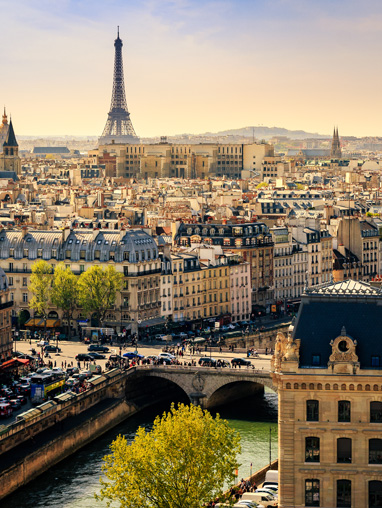
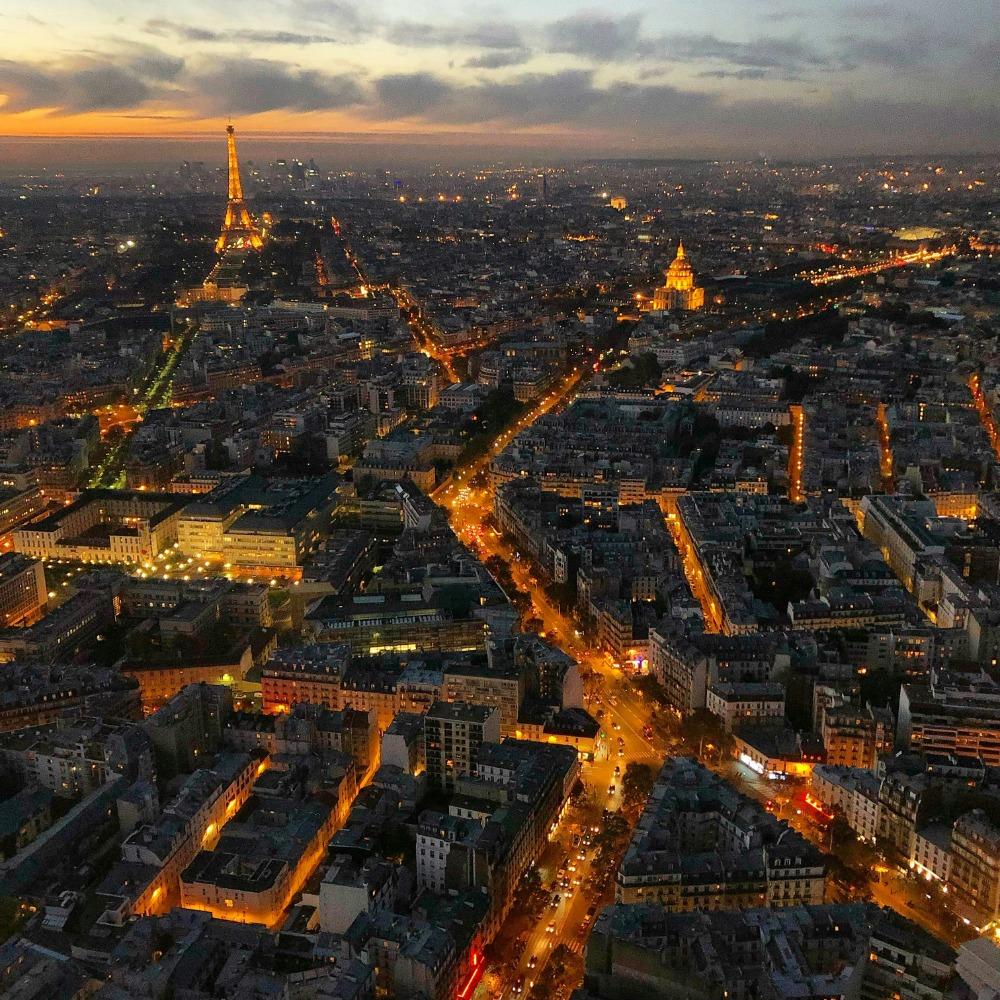
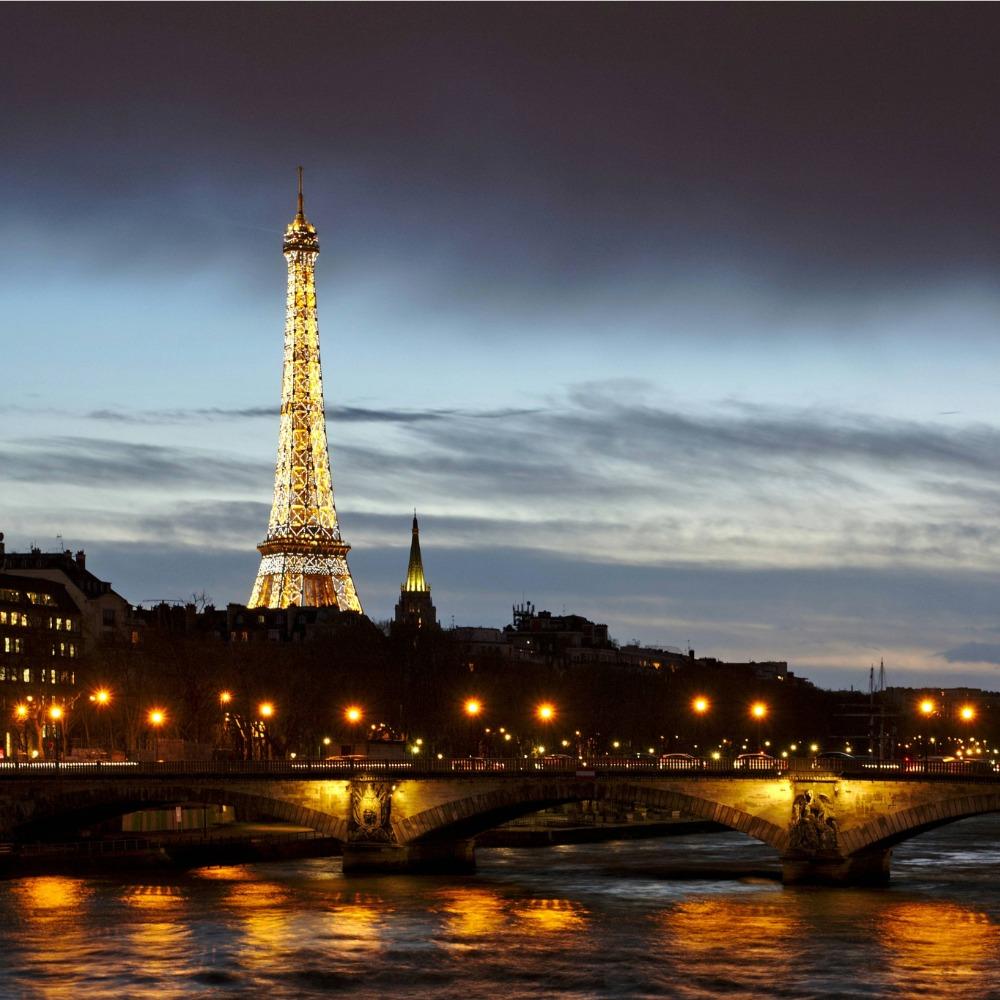
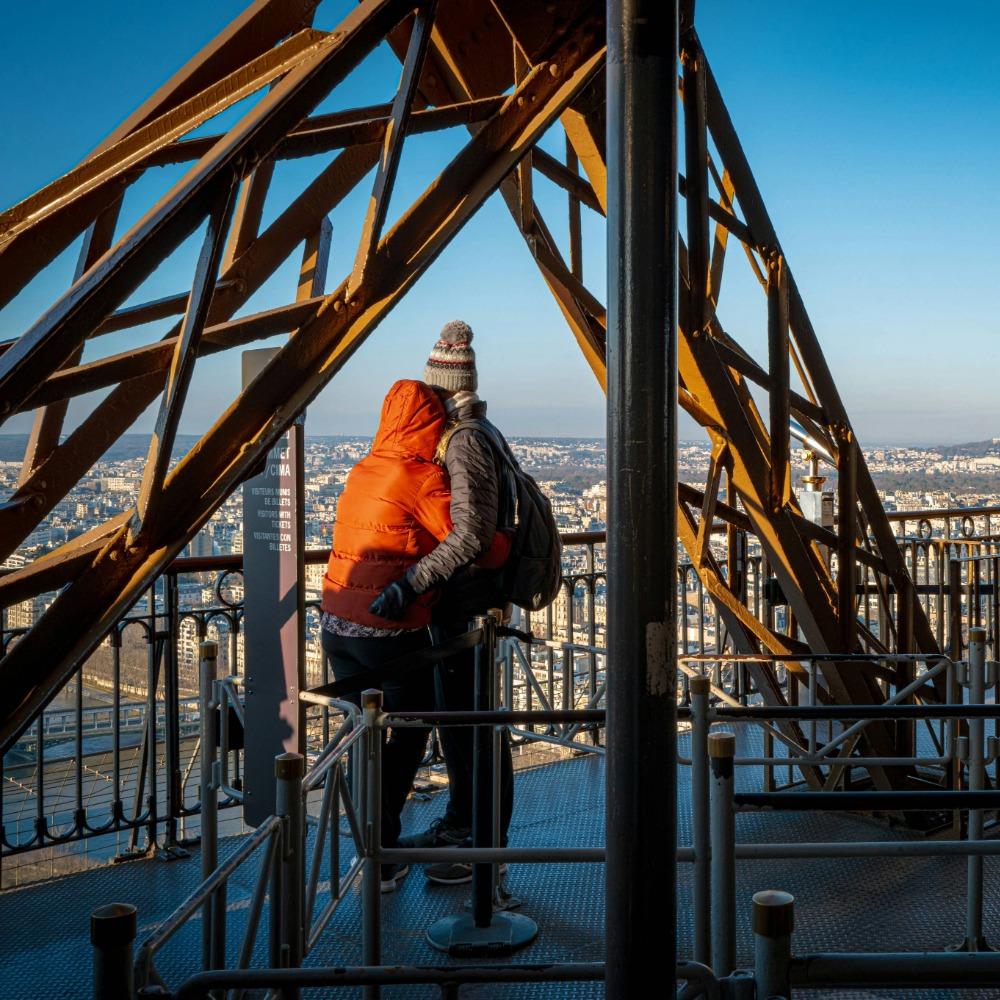
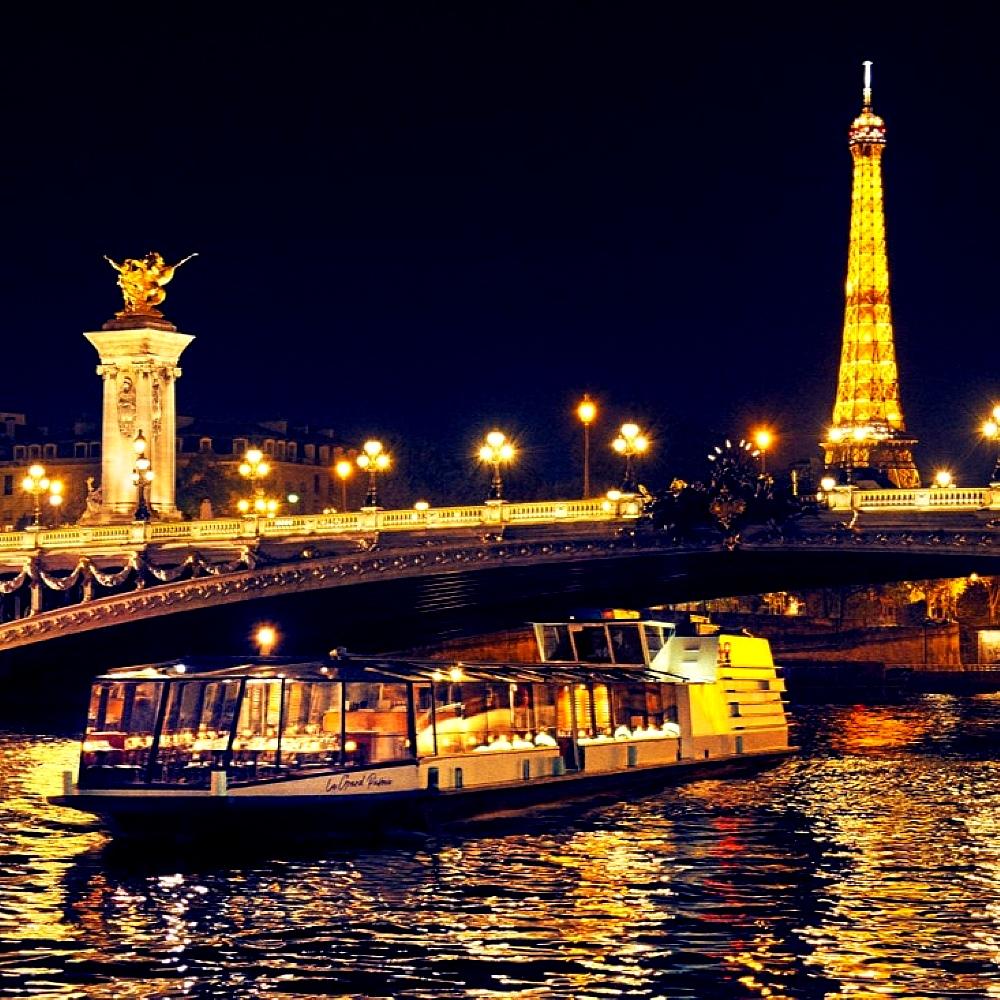
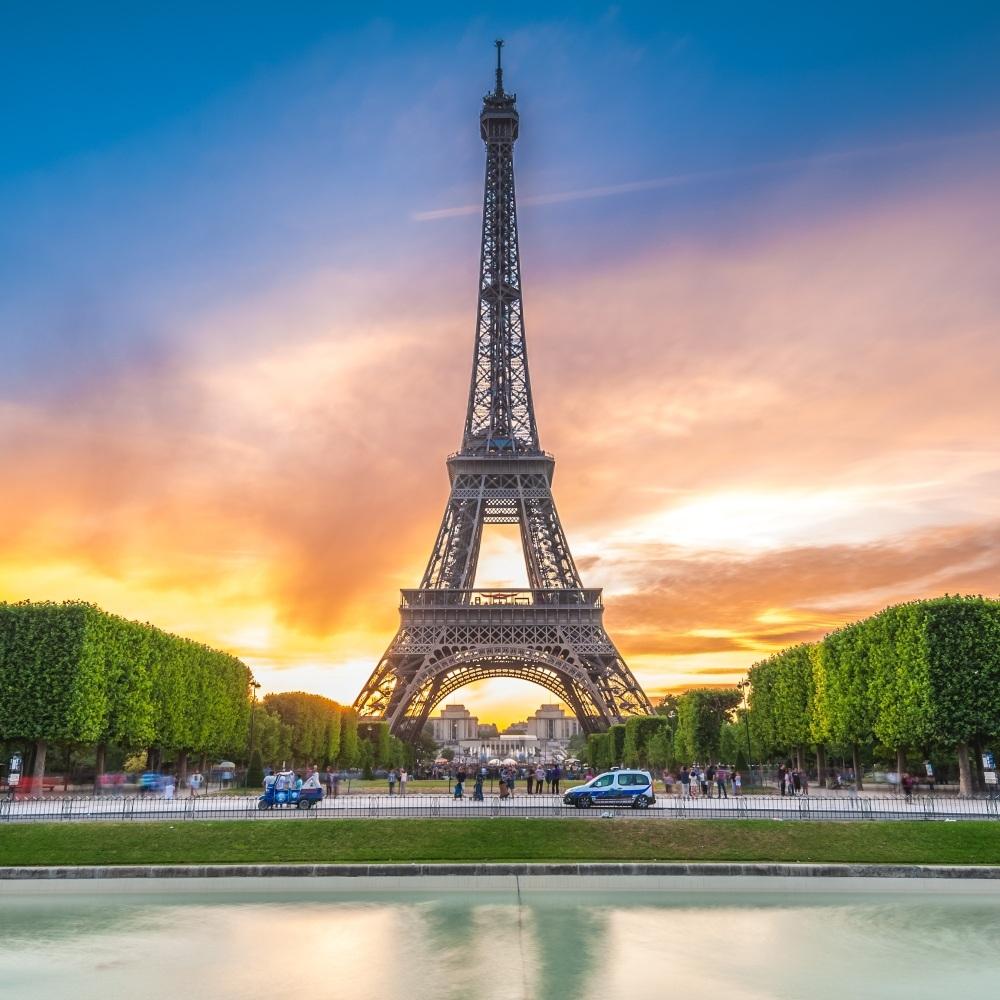
His most famous work remains, of course, the Eiffel Tower. Construction began on January 28, 1887, and was completed on March 15, 1889. Known as the Iron Lady, it is now a worldwide emblem of France. Despite fierce criticism and a plan to dismantle it twenty years after construction, its success was immediate, and it became the most visited and best loved landmark in Paris.
Early years and education
Born in Dijon in 1832, Gustave Eiffel studied chemistry at the Central School of Arts and Manufacturing in Paris. Diploma in hand, he turned to metallurgy and, through his mother's circle, found work with Charles Nepveu, an engineer specialized in steam-powered machinery and railway materials. A year later, in 1857, Eiffel became head of the design office at Pauwels et Cie.
First bridges and structures
At just 25, his first large-scale project was the iron girder bridge at Bordeaux, more than 1,640 feet (500 meters) long. From then on he oversaw the construction of further bridges in southwestern France. He settled near Paris in 1866 and founded his own company in 1867. Through the Industrial Revolution he completed numerous structures that secured his reputation at home and abroad, perfecting technical innovations, notably the assembly of cantilever constructions.
A passion for science
Beyond building, Eiffel was fascinated by science and carried out meteorological and aeronautical experiments. In 1909 he built an aerodynamic wind tunnel on the Champ-de-Mars, moved in 1911 to the 16th arrondissement to allow for a larger research laboratory.