Logo Extime Hosted by ParisAéroport

Impressionist works and iconic paintings

Fleeting light, everyday scenes, brushstrokes caught in the open air. These artists left a lasting mark on the history of art. Here is a selection of the finest Impressionist paintings across the life of the movement, a journey to savor before discovering Giverny.


The Impressionist legacy these talented artists left us still stirs the imagination today, and we offer here a selection of the finest paintings across the span of the movement. We have deliberately set aside Monet's most famous works, as they deserve a page of their own.
 

Édouard Manet, The Luncheon on the Grass, 1862-1863

First titled The Bath, this painting was part of the Salon des Refusés in 1863. The public of the day was shocked by the nudity of the woman set against the clothed men. A founding work of the Impressionist movement, one that opened the way for an entire generation of painters.

Pierre-Auguste Renoir, La Grenouillère, 1869

This canvas depicts La Grenouillère, a fashionable spot of the time on the banks of the Seine. It included a restaurant and was a favorite summer destination for bathing and boating. Renoir contributed greatly to the Impressionist body of work, as this painting, chosen among many, attests.

Edgar Degas, The Dance Foyer, 1872

Edgar Degas chose to paint a place that captured the cultural and social life of Paris at the time: the Opéra on rue Le Peletier. The scene shows a dance studio in the midst of a ballet rehearsal. This work conveys life in movement, a theme dear to the painter.

Berthe Morisot, The Cradle, 1872

Through this canvas, Berthe Morisot evokes the theme of motherhood and all the tenderness of a mother toward her child. A work that expresses the delicacy of a woman painter in a world then largely dominated by men.

Alfred Sisley, The Bridge at Villeneuve-la-Garenne, 1872

Alfred Sisley painted the bridge and the banks of the Seine along Villeneuve-la-Garenne in summer. He also painted Banks of the Seine, Villeneuve-la-Garenne. The play of light is a constant in Impressionist work, and Sisley meets the challenge with brilliance.

Camille Pissarro, Hoarfrost, the Old Road to Ennery, Pontoise, 1873

Pissarro chose to paint a simple, unadorned nature: a countryside covered in frost as the sun rises, with a peasant making his way, laden with a bundle of wood. This work belongs to a flourishing period for the Impressionist movement.

Paul Cézanne, Study, Landscape at Auvers, 1873

At this time, Paul Cézanne was deeply influenced by Impressionist work and set out to analyze the style in search of his own. He was guided by Camille Pissarro, whom he joined at Pontoise in 1872, and then by Vincent van Gogh in 1873 at Auvers-sur-Oise. A truly fascinating painting, a witness to a period of intense exploration.

Édouard Manet, Claude Monet Painting in His Studio, 1874

Manet paints a portrait of his friend Claude Monet as the latter is himself painting aboard his boat at Argenteuil. A picture within a picture that captures the heart of Impressionism: the work is painted before the subject itself, no longer in the studio.

Pierre-Auguste Renoir, Dance at the Moulin de la Galette, 1876

Who does not know this painting, among the most famous of all Impressionist works? It was shown at the Impressionist Salon of 1877. Renoir painted some of his friends among the crowd, capturing a scene full of joyful, luminous atmosphere.

Alfred Sisley, The Bridge at Moret, 1893

Alfred Sisley painted the bridge at Moret-sur-Loing, a town that has kept traces of its medieval history through ramparts that recall its fortifications. The painter devoted a series to this town where he lived and where he died in 1899.

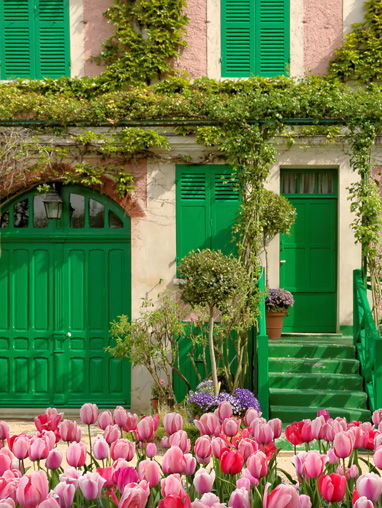
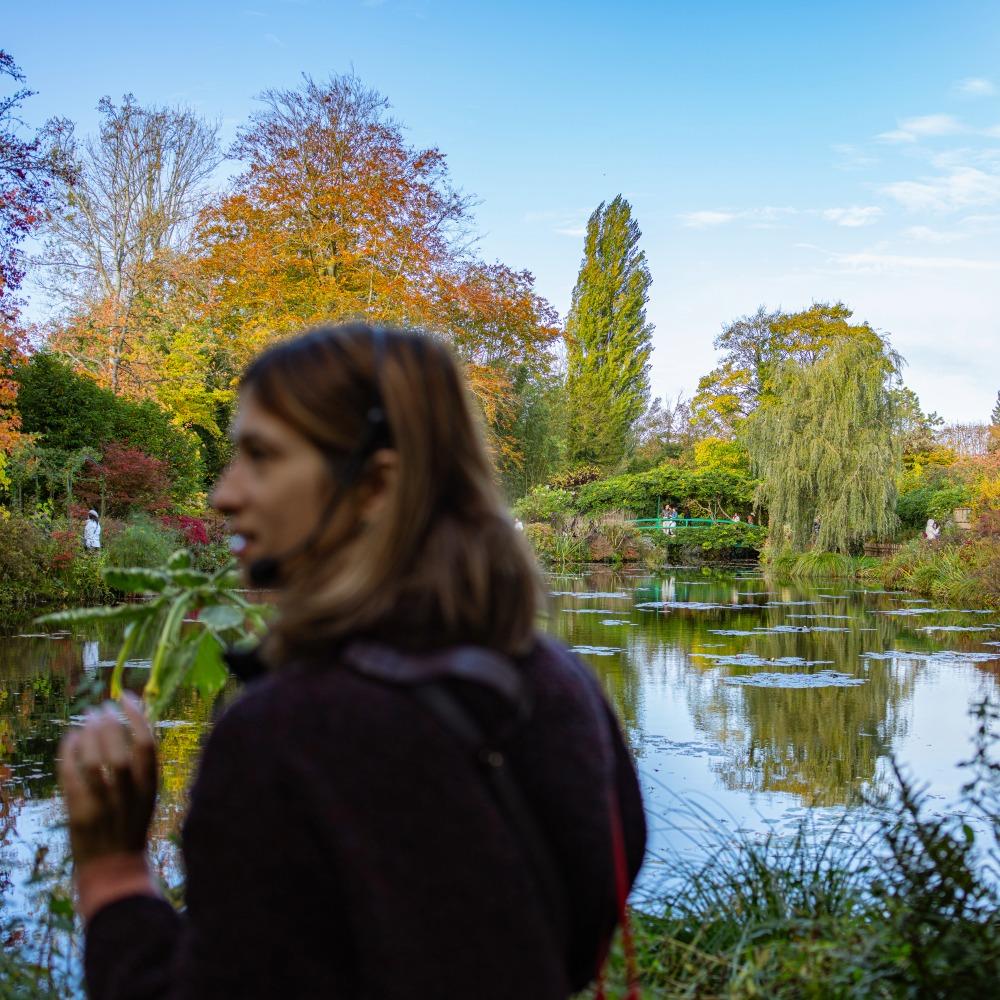
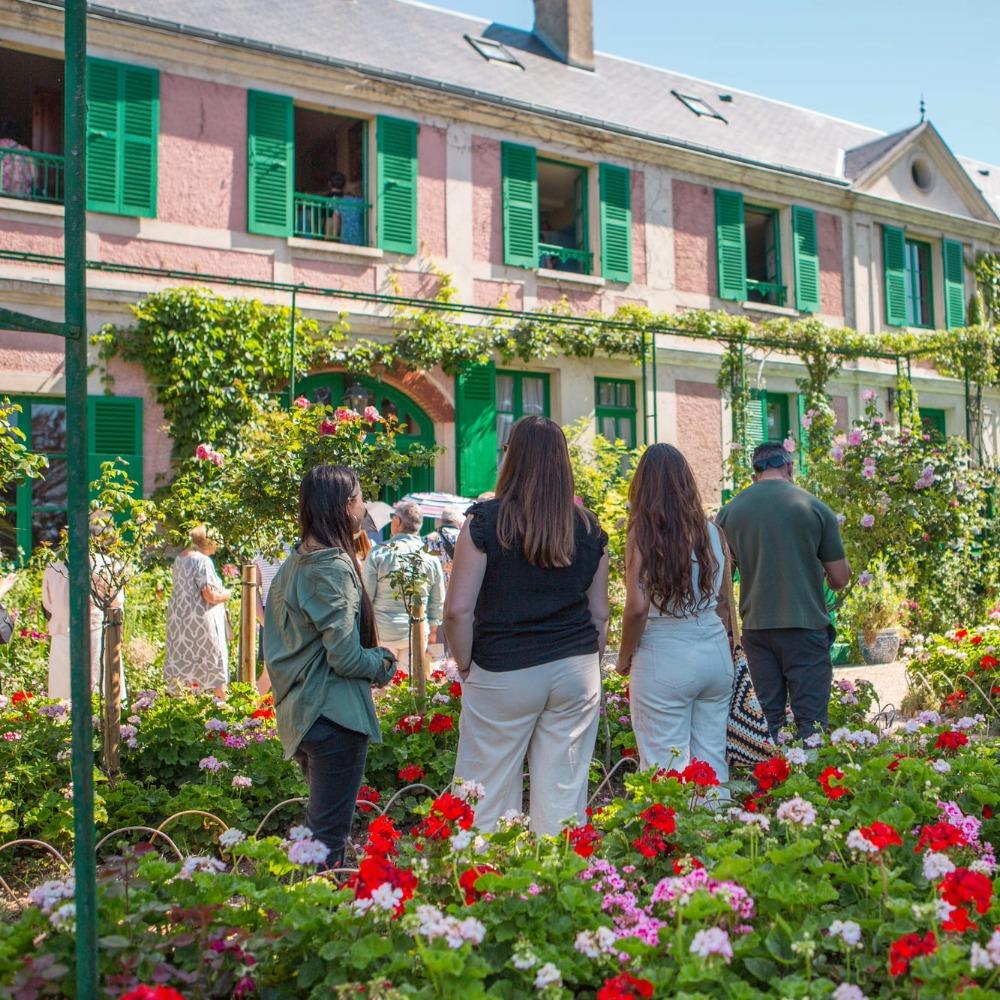
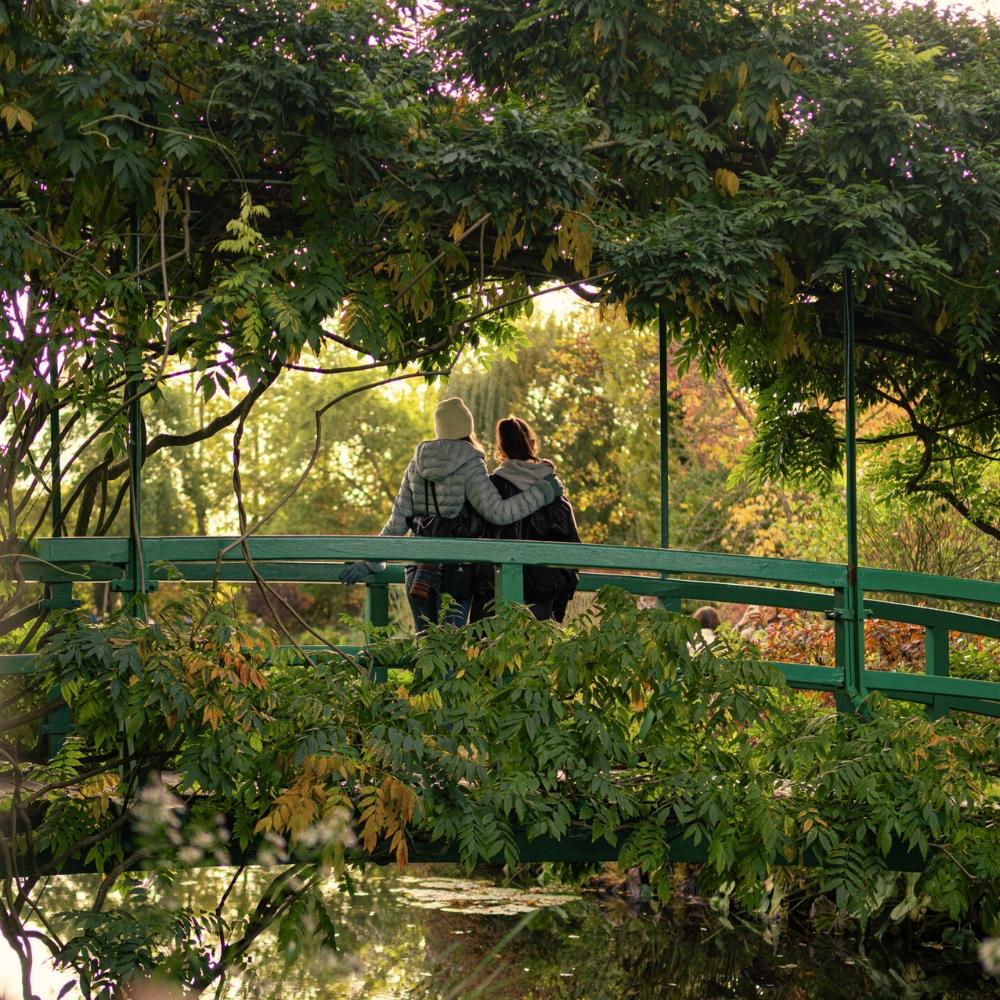
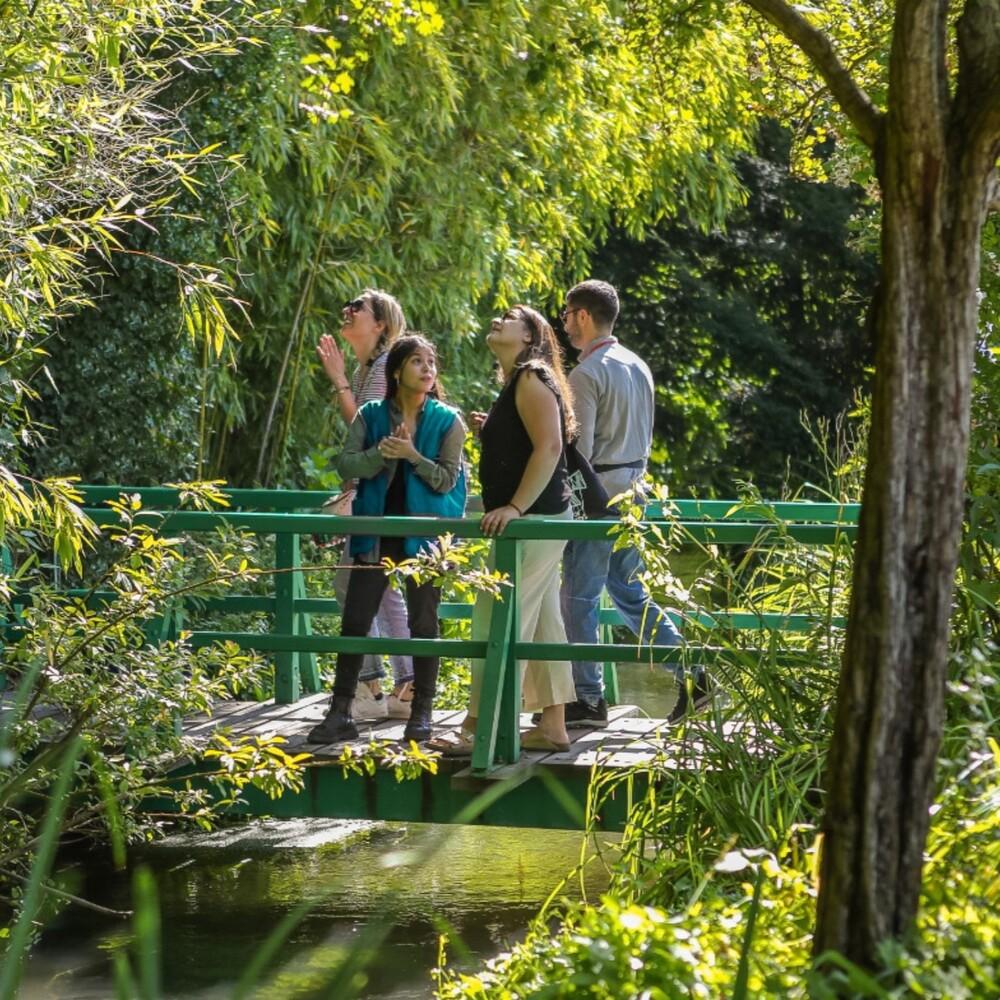
The cradle of Impressionism lies, without doubt, in Giverny, where you can visit the house and gardens of the movement's founder, Claude Monet. A timeless interlude, as close as one can come to the artist and the sources of his inspiration.

You might also like

Frequently asked questions

Which painting is considered a founding work of Impressionism?

Manet's The Luncheon on the Grass (1862-1863), first shown at the Salon des Refusés in 1863, is widely seen as a founding work.

What distinguishes Impressionist painting?

A focus on fleeting light and everyday scenes, often painted outdoors before the subject rather than in the studio.

Where is the cradle of Impressionism?

Giverny, home to the house and gardens of Claude Monet, founder of the movement.

Are Monet's works included here?

No, his most famous paintings are deliberately set aside, as they are covered on a dedicated page.