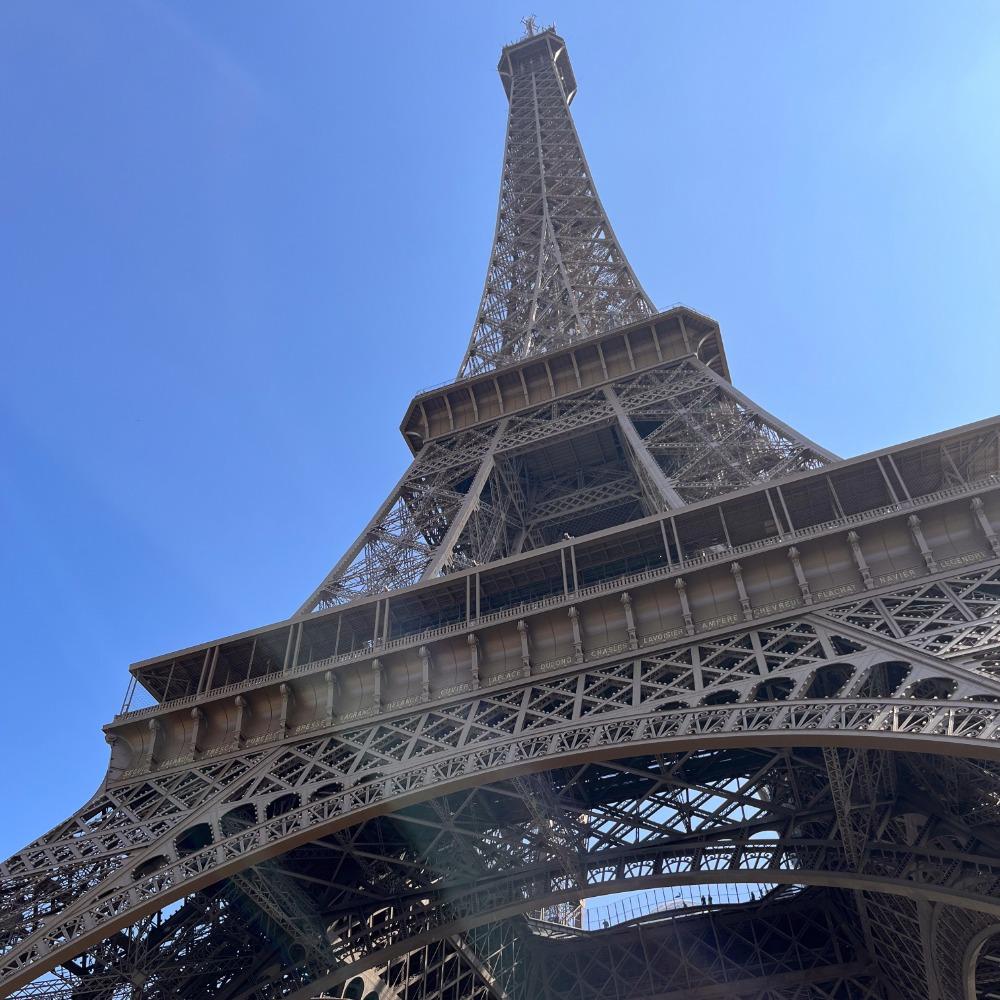
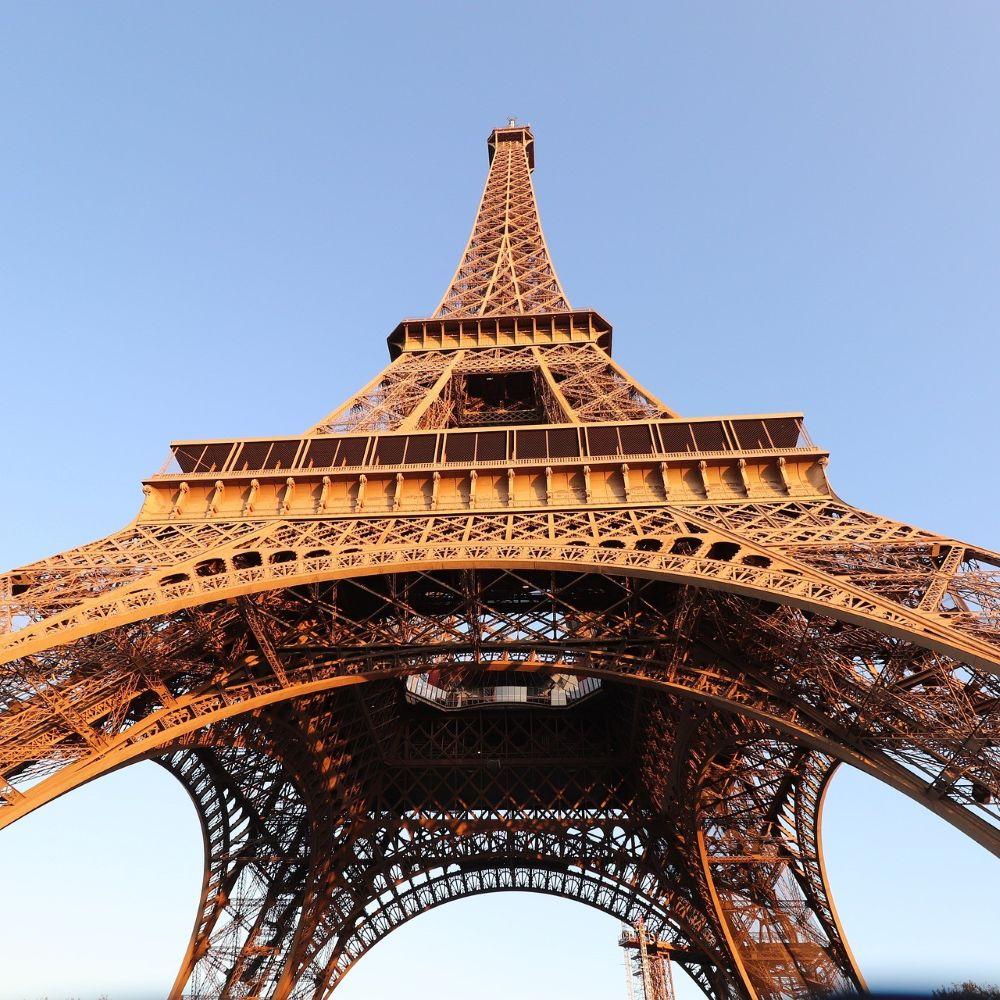
What better place to set a record? Bets and challenges began in the nineteenth century, as soon as construction was under way, and inventors and athletes have chosen the tower as the setting for their exploits ever since. The Bird Man threw himself from the first level in a parachute in 1912; Pierre Labric rode a bicycle down from the first level in 1923; the mountaineers Guido Magnone and René Desmaison climbed the tower in 1964; A.J. Hackett bungee jumped from the second floor in 1987; the tightrope walker Philippe Petit crossed from the Palais de Chaillot to the tower on a wire in 1989; and the triathlete Yves Lossouarn ran the stairs to the top in 8 minutes and 51 seconds in 1995.
Among the more unusual feats, a special mention goes to Victor Lustig, the con man who in 1925 managed to sell the tower to a scrap metal dealer by passing himself off as the chief of staff at the Ministry of Postal and Telegraph Services.
A protected and much loved monument
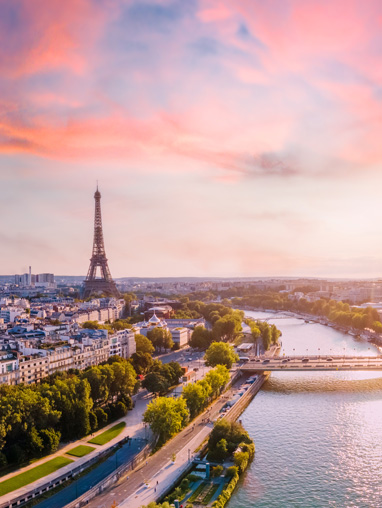
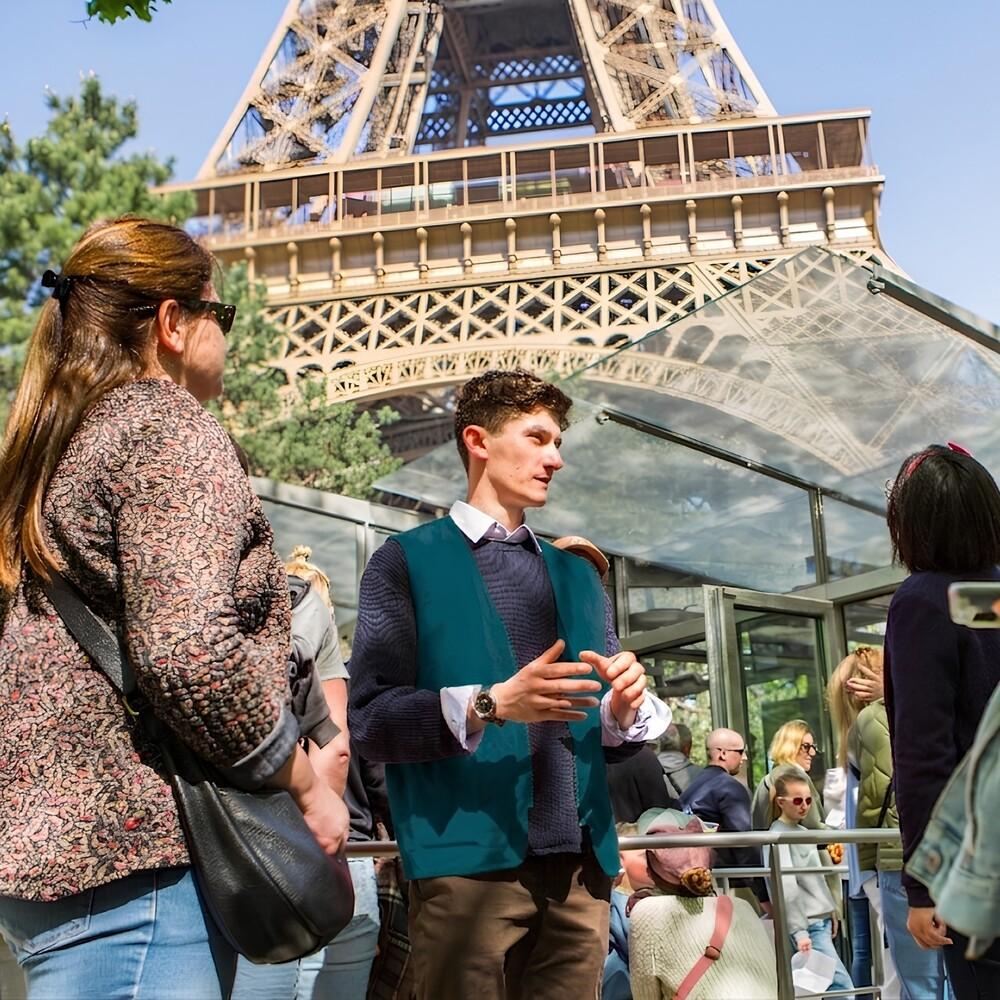
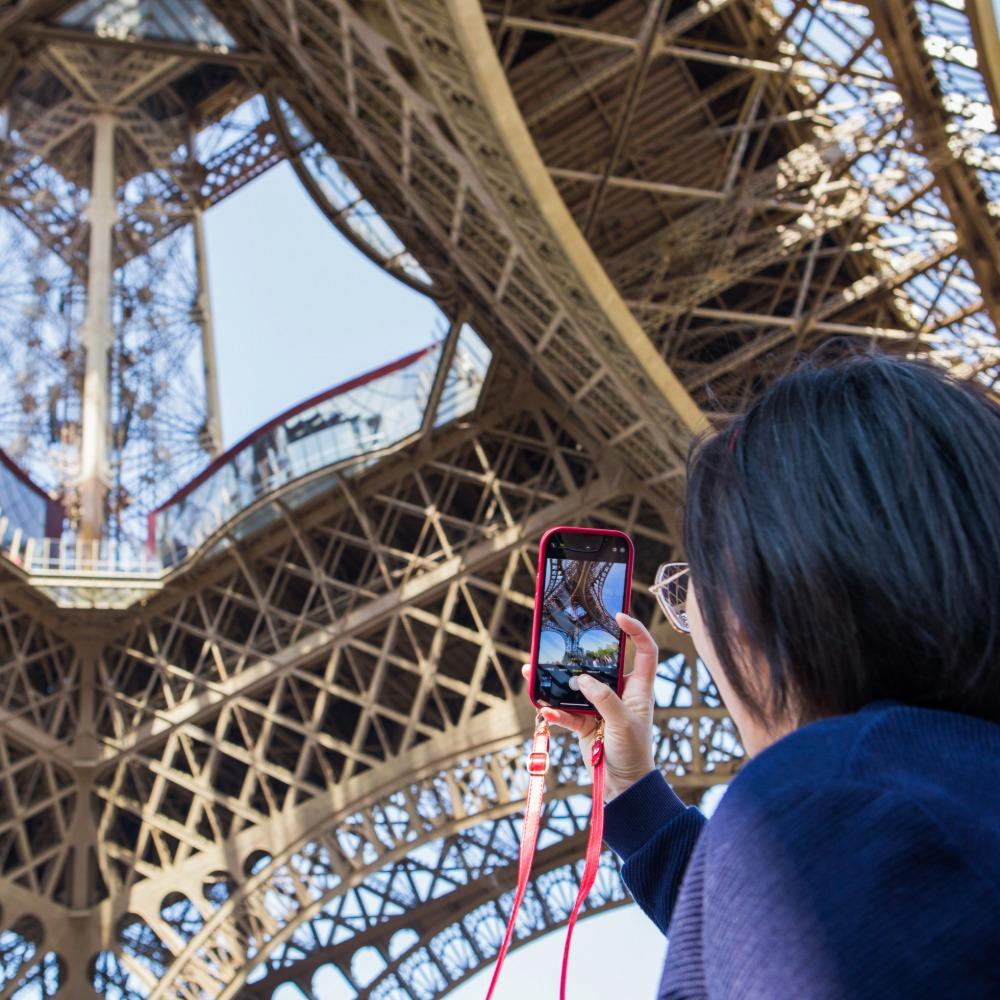
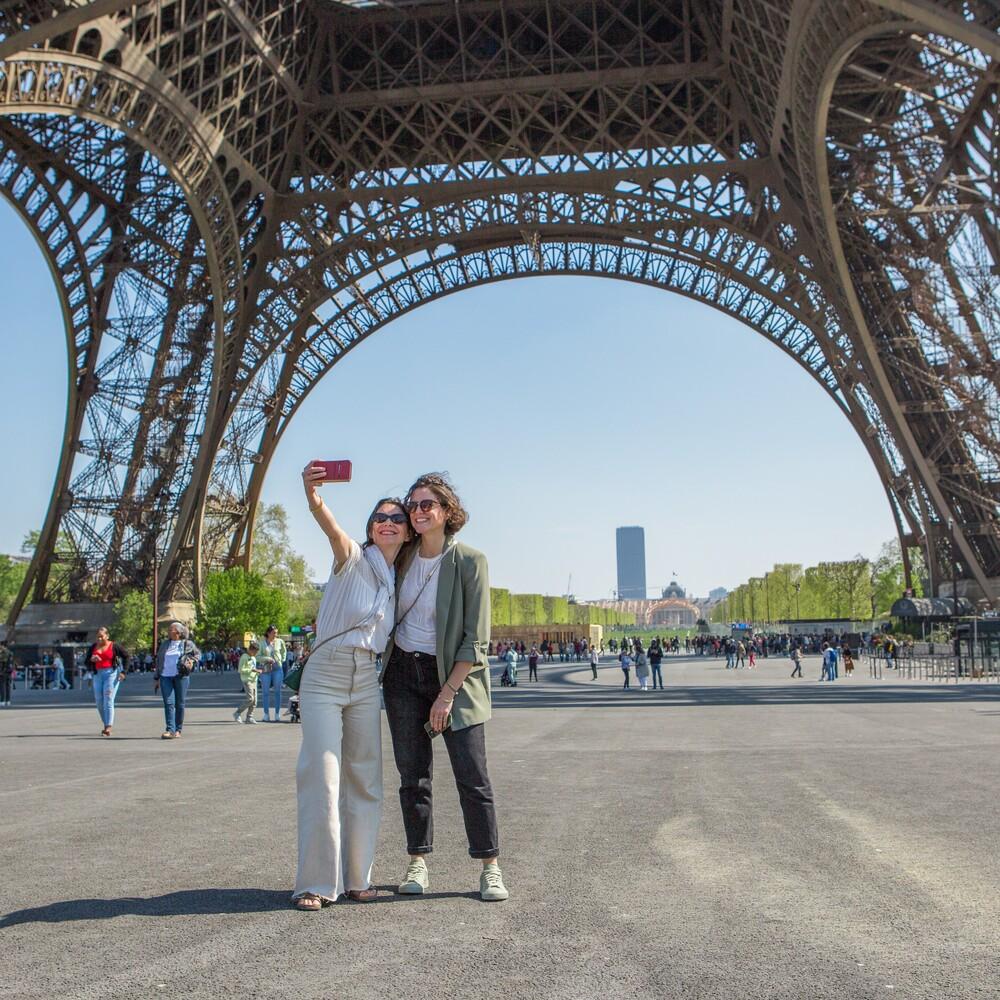
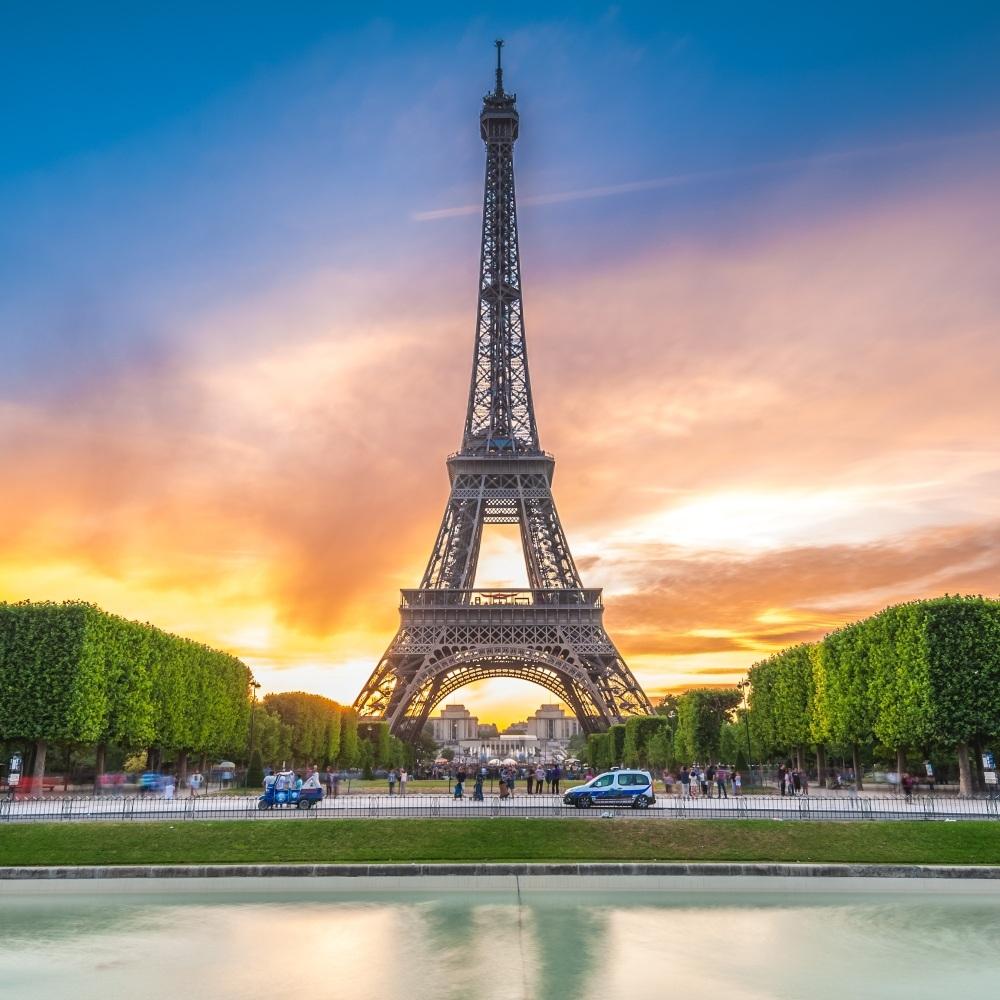
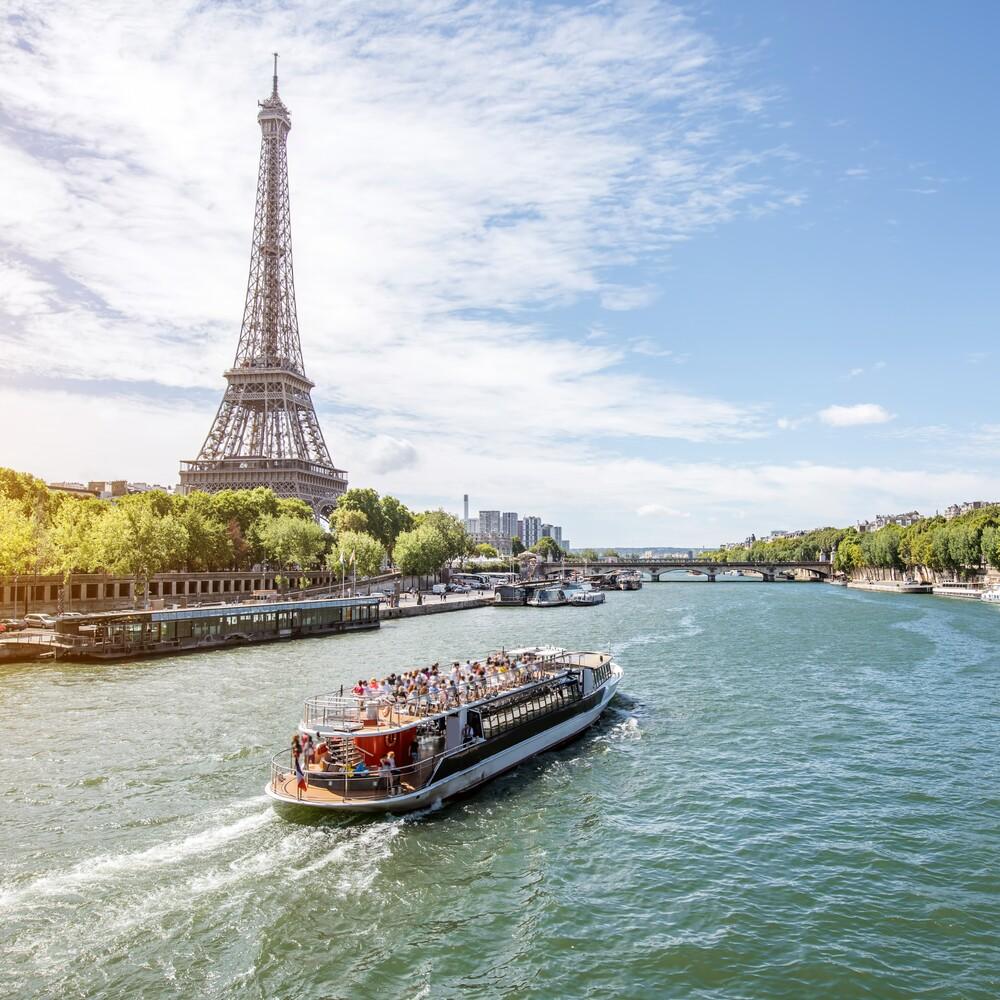
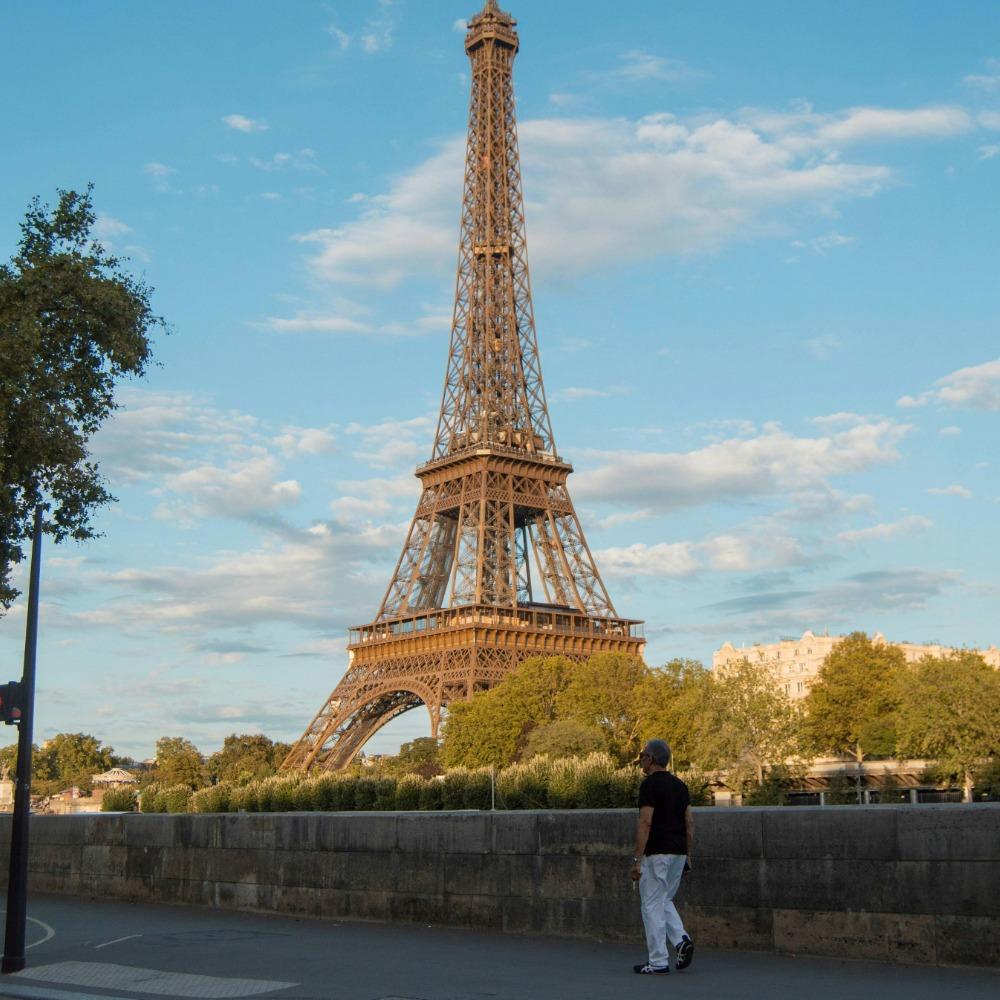
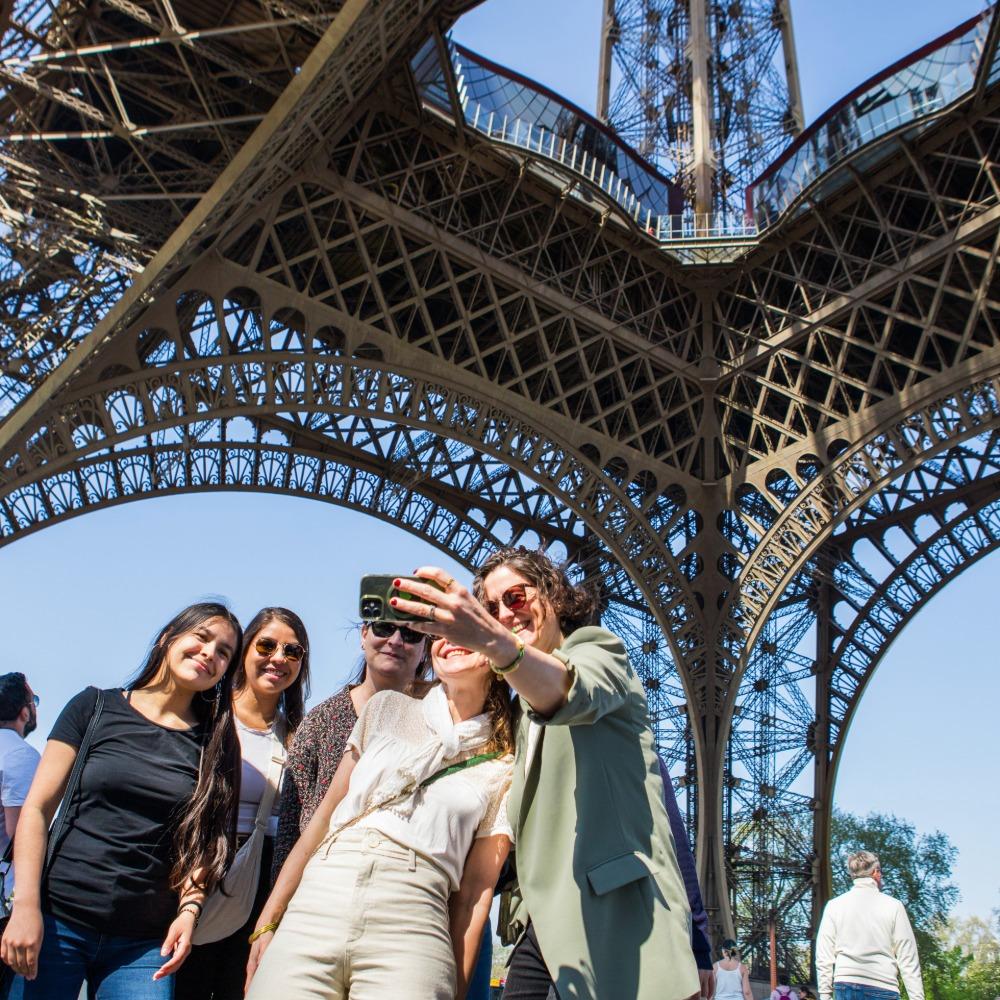
The Eiffel Tower has been listed as a historic monument since 1964 and a UNESCO World Heritage Site since 1991. Each year it welcomes nearly 7 million visitors, around 75 percent of them from abroad, and it stands as the undisputed symbol of France around the world. It is the most visited fee-charging monument on earth, and since it opened in 1889 some 250 million people have made their way to it.
A hotbed of science
To know the tower fully you have to look at its scientific history. It was never meant to be an aesthetic achievement alone. As soon as it opened, Gustave Eiffel wanted to make it a place for experiments, and over the years it served by turns as a meteorological laboratory and a research center for aerodynamics, physics, and radio links, making the Eiffel Tower a genuine hub of research and innovation.