- Maps and location , lien vers une nouvelle page
- Terminal 1 CDG car parks, lien vers une nouvelle page
- Terminal 2A & 2B CDG car parks, lien vers une nouvelle page
- Terminal 2C & 2D CDG car parks, lien vers une nouvelle page
- Terminal 2E & 2F CDG car parks, lien vers une nouvelle page
- Terminal 2G CDG car parks, lien vers une nouvelle page
- Terminal 3 CDG car parks, lien vers une nouvelle page
- Compare and book parking, lien vers une nouvelle page
- All our official parking lots, lien vers une nouvelle page
- Budget parking lots, lien vers une nouvelle page
- Premium parking, lien vers une nouvelle page
- Parking promo code, lien vers une nouvelle page
- On-site rates, lien vers une nouvelle page
- Subscriptions , lien vers une nouvelle page
- Compare and book parking, lien vers une nouvelle page
- All our official parking lots, lien vers une nouvelle page
- Budget parking lots, lien vers une nouvelle page
- Valet parking, lien vers une nouvelle page
- Parking promo code, lien vers une nouvelle page
- On-site rates, lien vers une nouvelle page
- Subscriptions , lien vers une nouvelle page
- Women fragrance, lien vers une nouvelle page
- Men fragrance, lien vers une nouvelle page
- Unisex fragrance, lien vers une nouvelle page
- Children fragrance, lien vers une nouvelle page
- Home fragrance, lien vers une nouvelle page
- Boxes & gifts, lien vers une nouvelle page
- Travel format, lien vers une nouvelle page
- See all, lien vers une nouvelle page
- Face care, lien vers une nouvelle page
- Body and bath, lien vers une nouvelle page
- Men skincare, lien vers une nouvelle page
- Sun, lien vers une nouvelle page
- Boxes & gifts, lien vers une nouvelle page
- Travel format, lien vers une nouvelle page
- Hair care, lien vers une nouvelle page
- See all, lien vers une nouvelle page
- Whisky, lien vers une nouvelle page
- Gin, vodka & tequila, lien vers une nouvelle page
- Cognac & brandies, lien vers une nouvelle page
- Rum, lien vers une nouvelle page
- Liqueur & eau de vie, lien vers une nouvelle page
- Porto & vermouth, lien vers une nouvelle page
- Aperitif, lien vers une nouvelle page
- See all, lien vers une nouvelle page
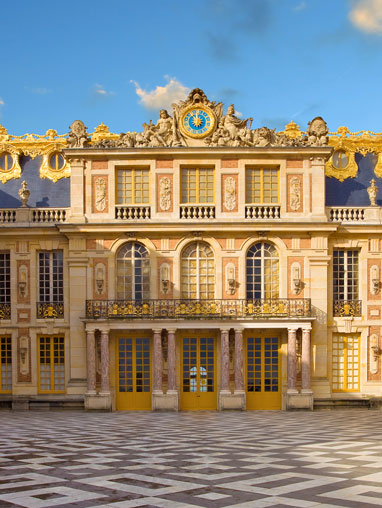
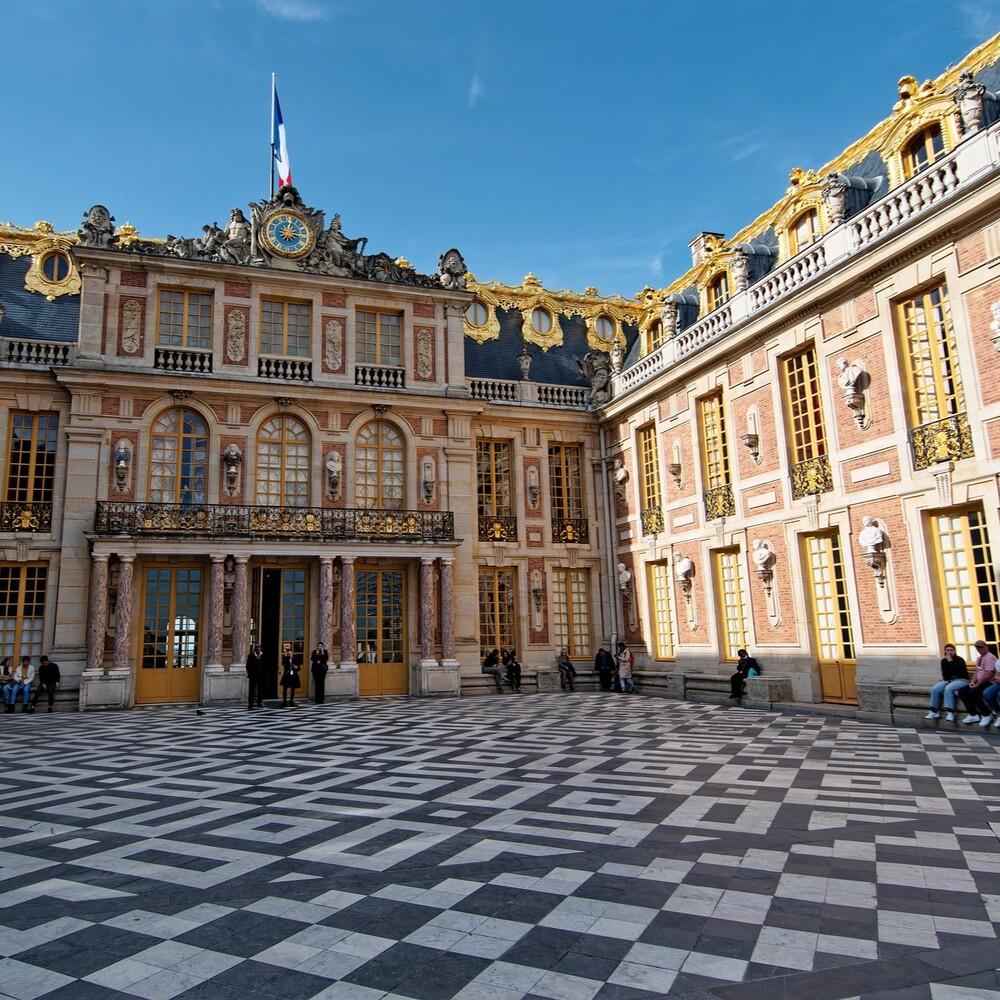
- Versailles, lien vers une nouvelle page
- Giverny & Monet's Gardens, lien vers une nouvelle page
- Normandy & D-Day, lien vers une nouvelle page
- Mont Saint-Michel, lien vers une nouvelle page
- Castles of the Loire Valley, lien vers une nouvelle page
- Bruges (Belgium), lien vers une nouvelle page
- Shopping Outlet, lien vers une nouvelle page
- All tours from Paris, lien vers une nouvelle page