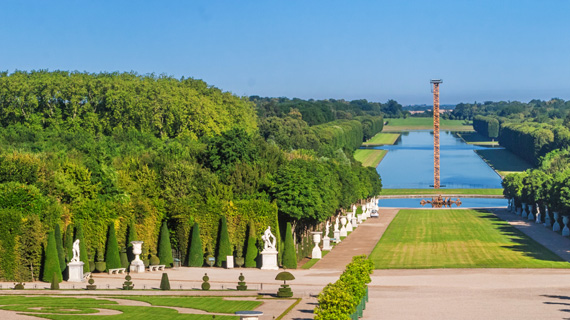
The Grand Canal
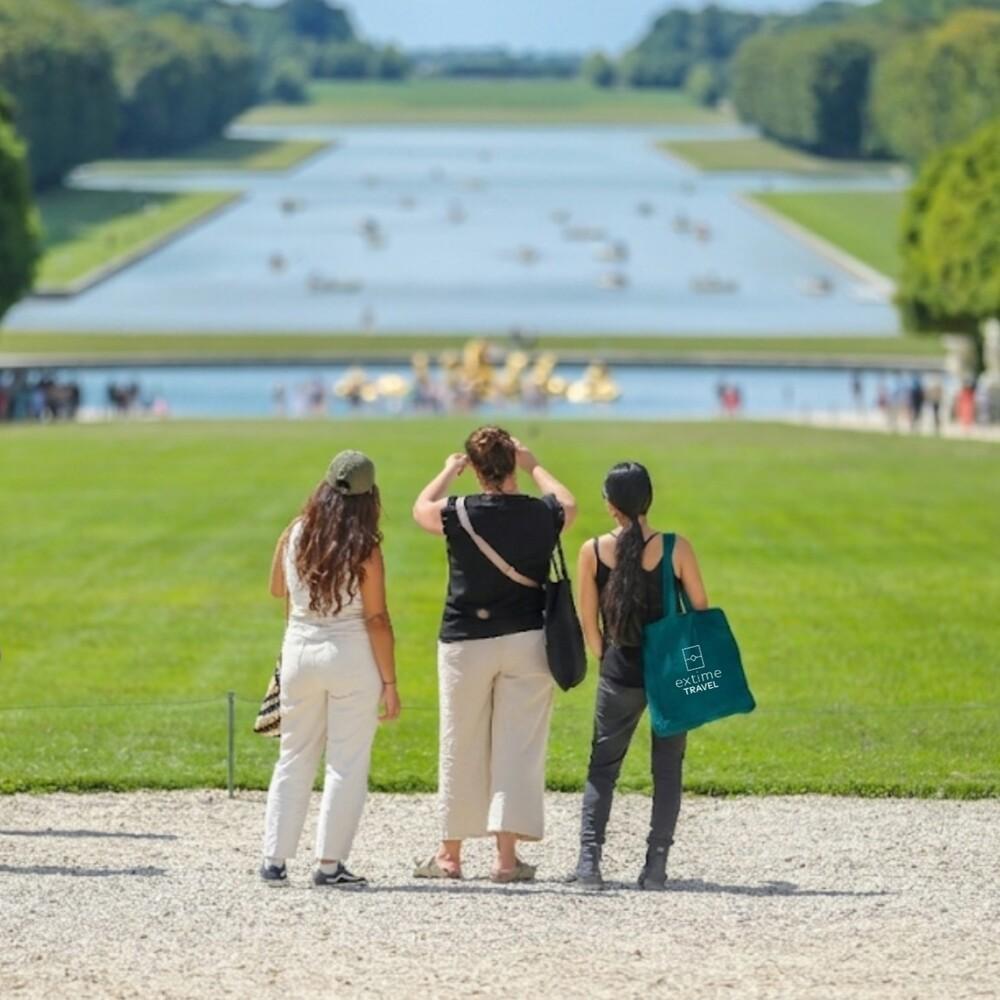
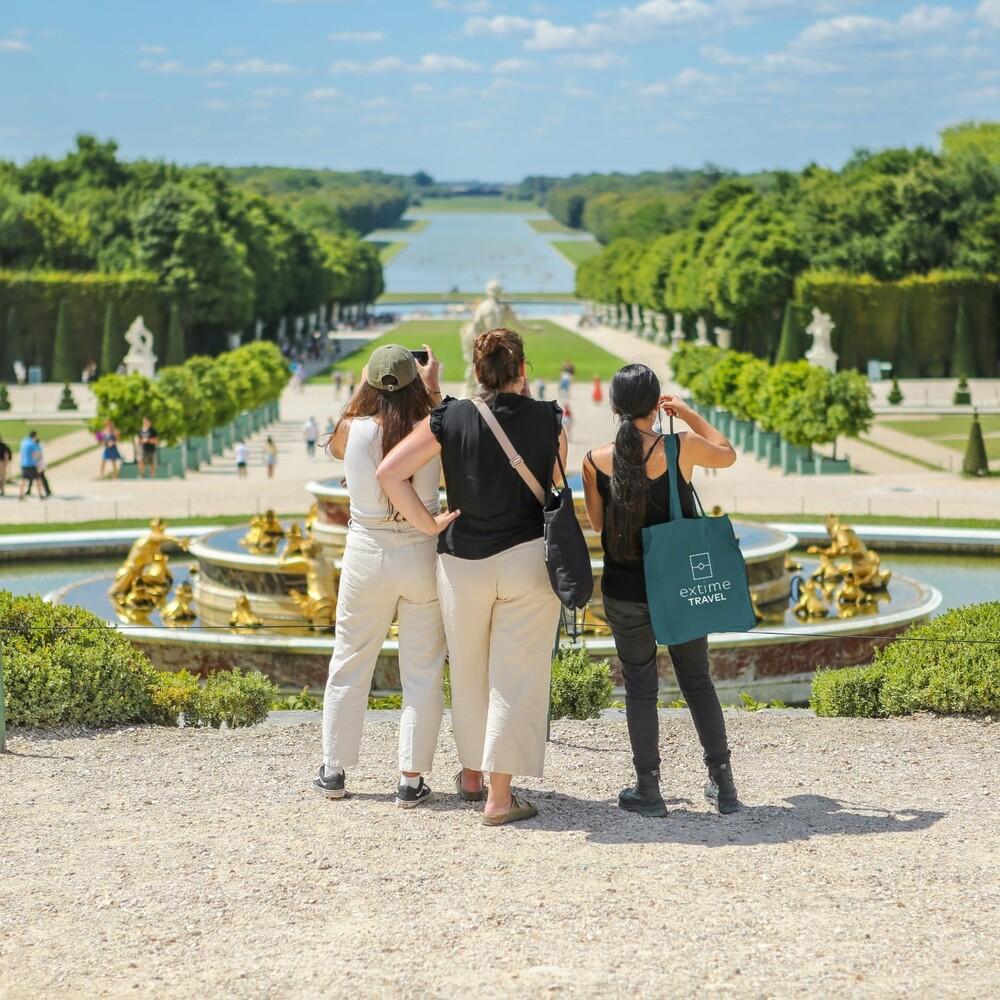
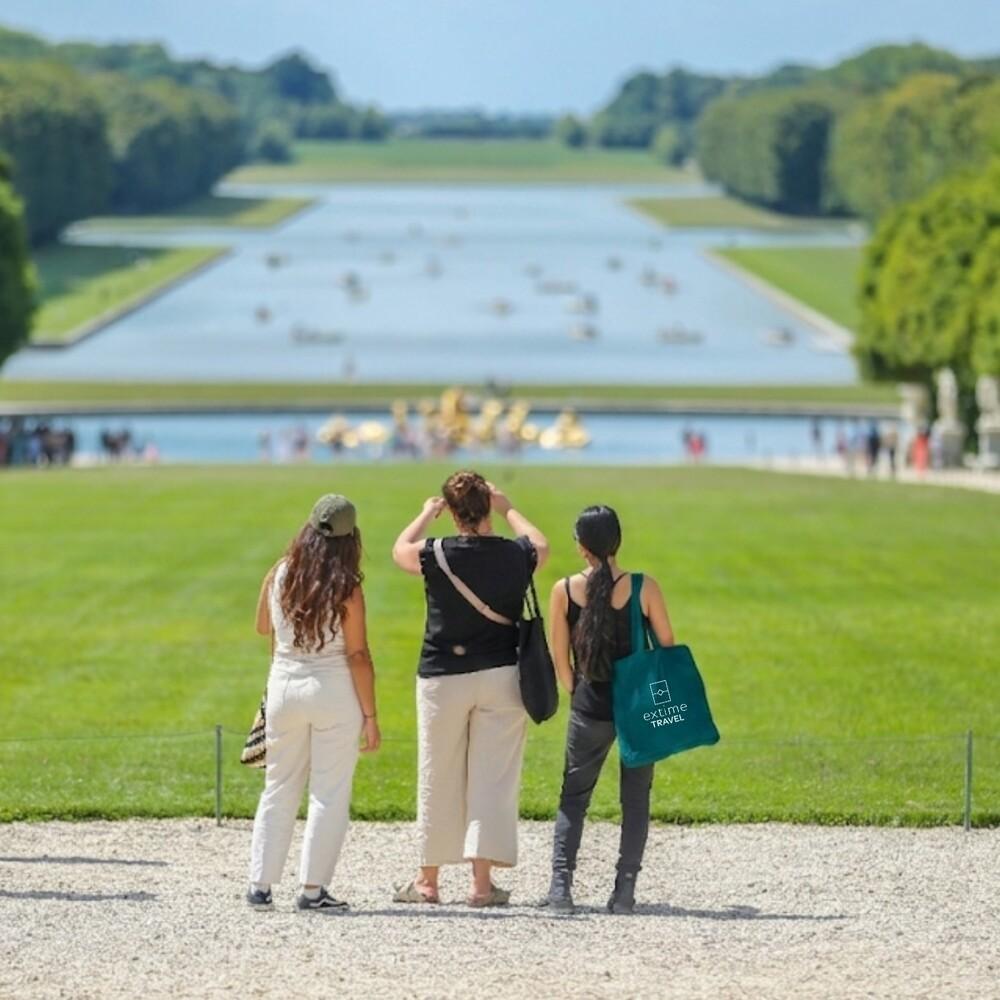
The Grand Canal is without doubt Le Notre's most famous work. The landscape artist's task was to create perfect visual harmony, and he succeeded so well that few notice its two lateral canals are not the same size: one measures 62 meters wide and the other 80 meters. The main basin, in the form of a cross, covers 23 hectares, extending the great perspective of the gardens toward the horizon.
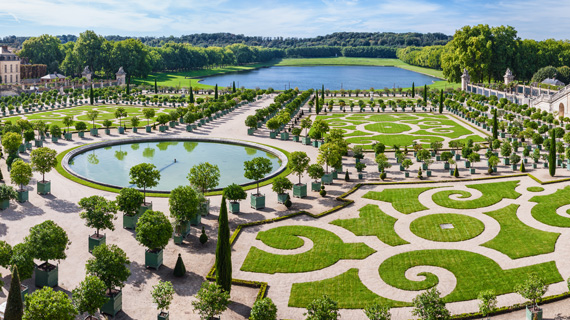
The embroidery parterres
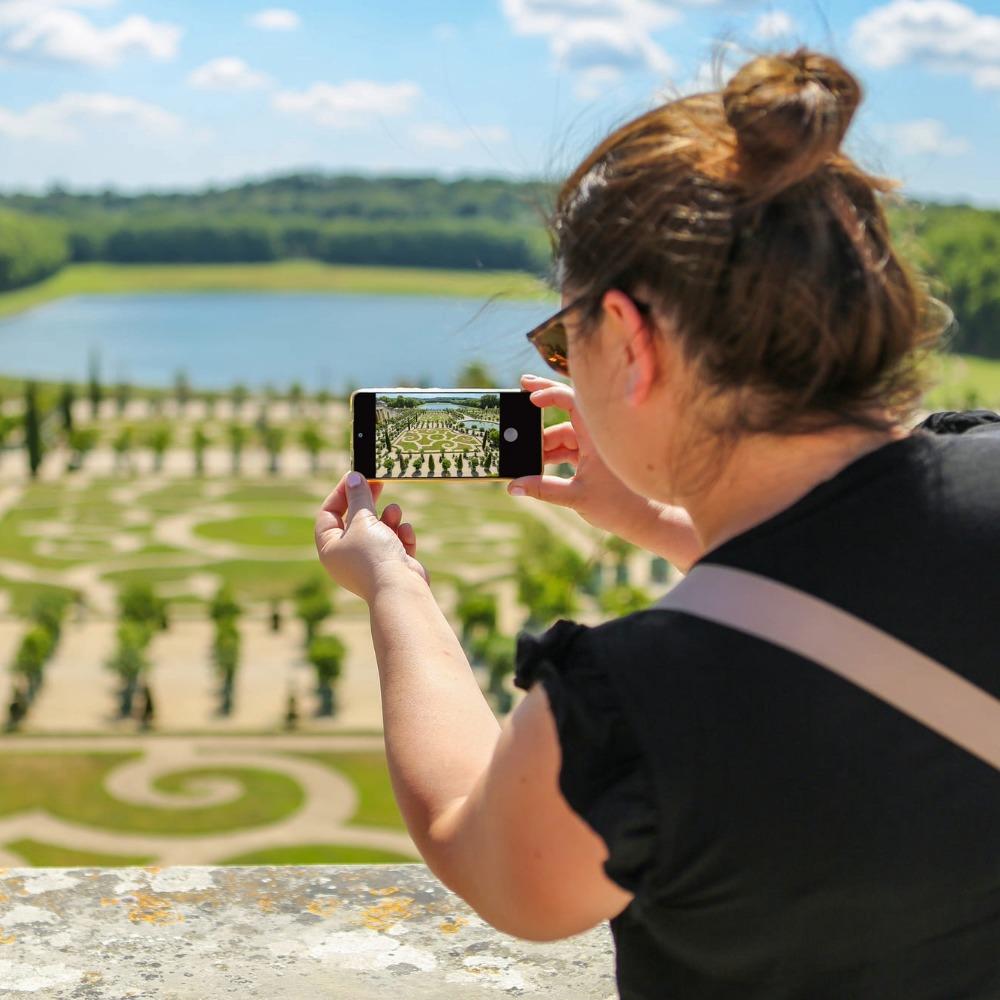
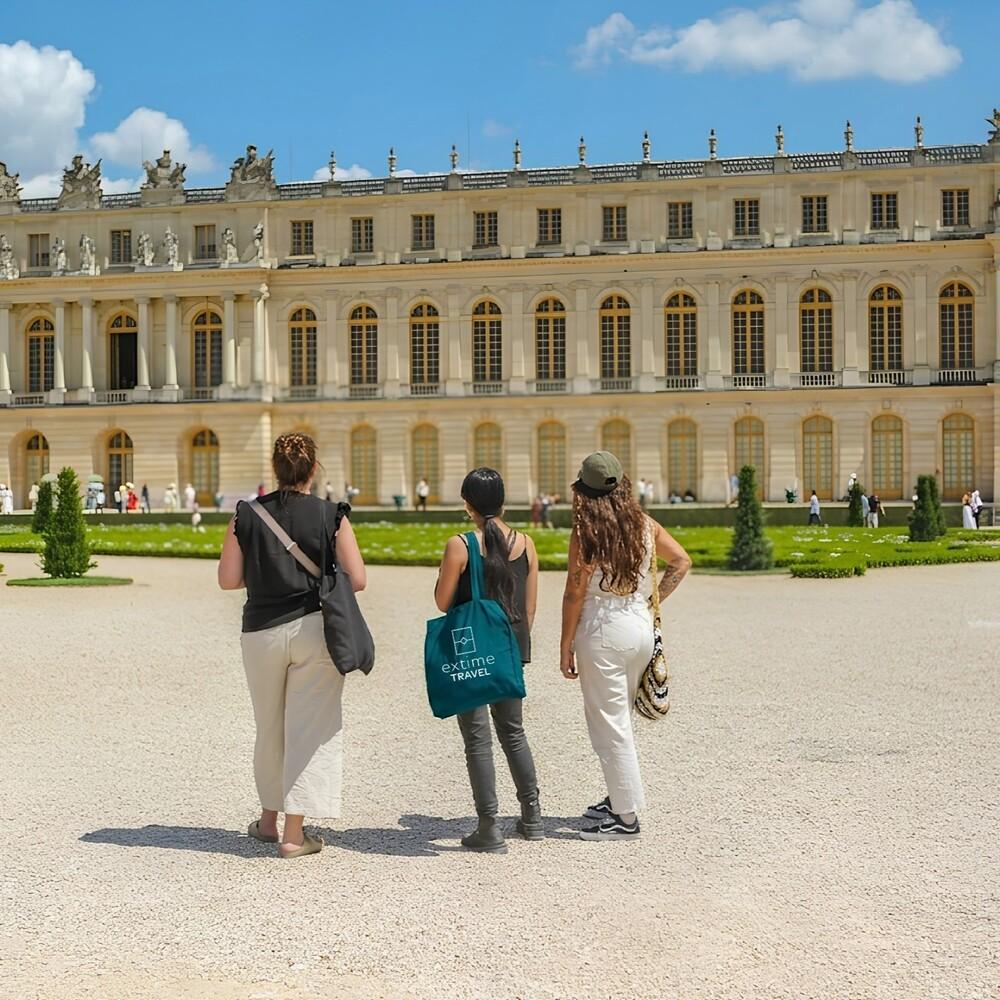
There is no French-style garden without an embroidery parterre, a formal flowerbed tracing symmetrical, arabesque designs in front of the buildings. The parterres seen at Versailles today are reconstructions dating from the 1920s, and so are not entirely faithful to the originals. Old etchings show that, rather than lawns bordered by small hedges as they are now, the early parterres were outlines traced directly onto gravel.
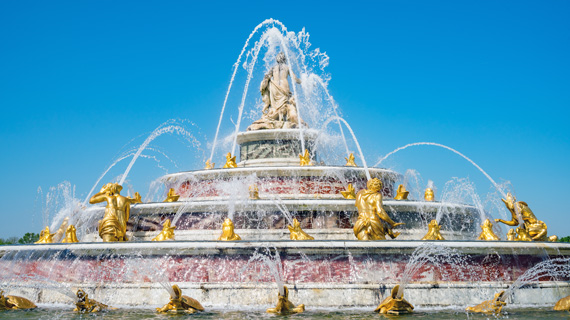
Fountains and the water network
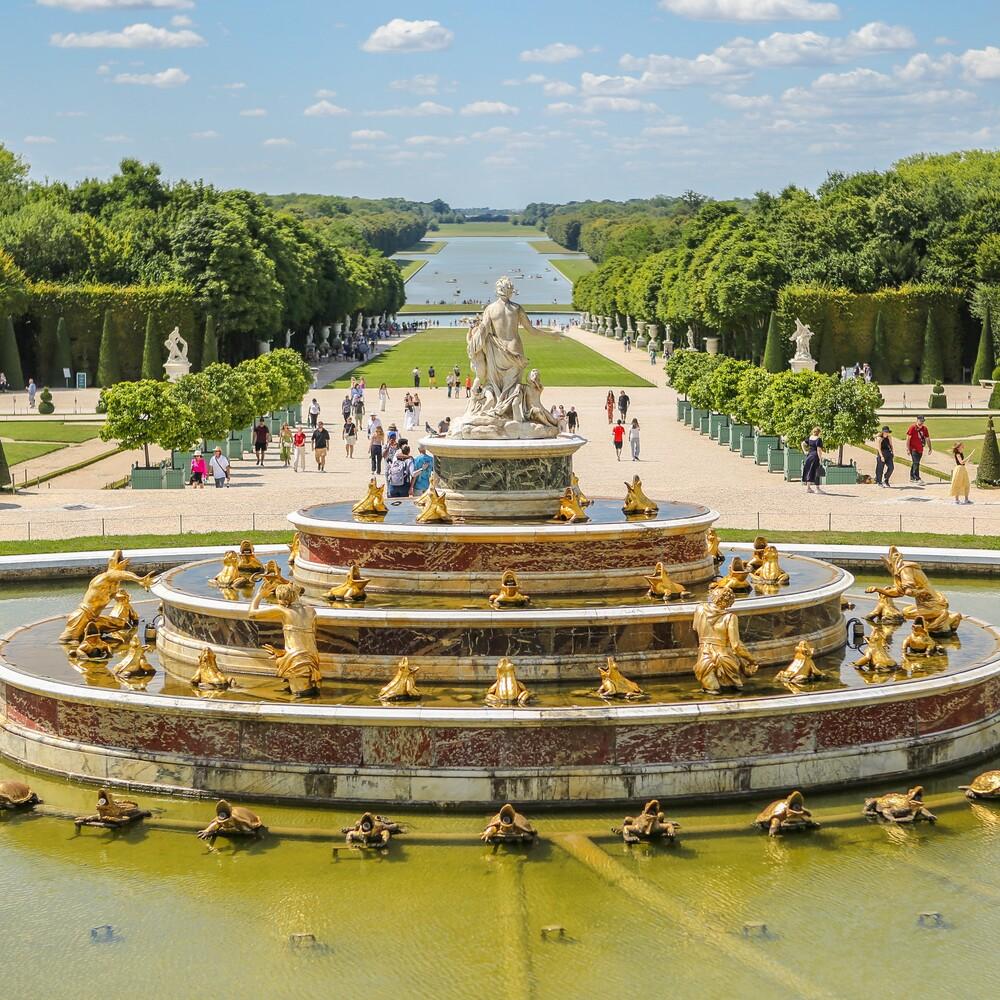
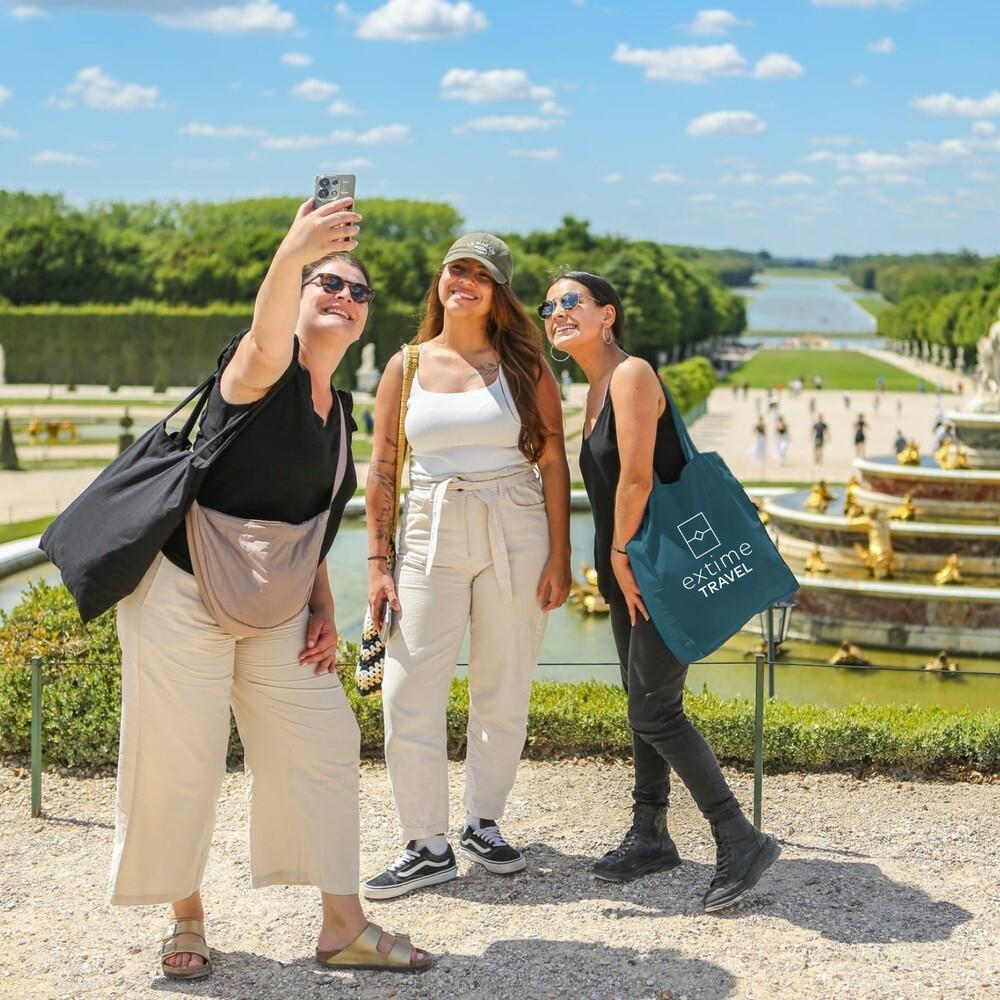
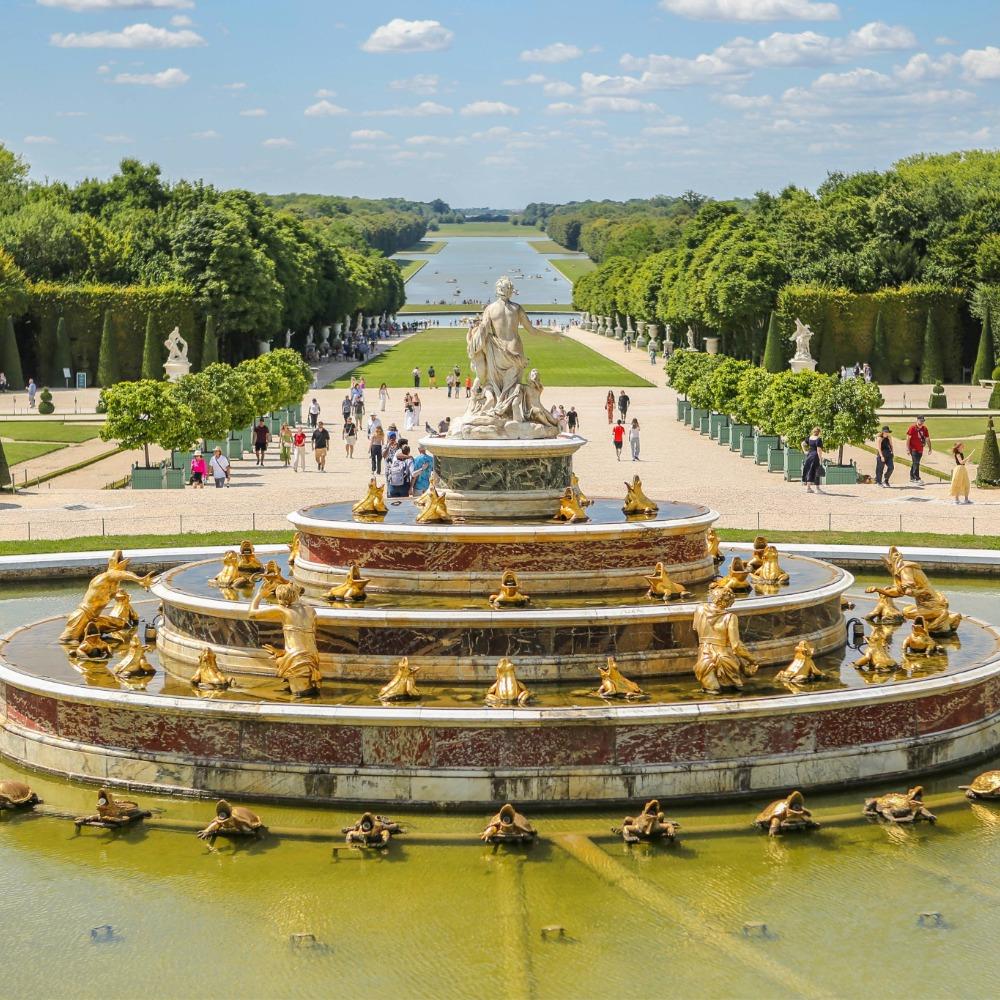
The gardens contain no fewer than 2,000 fountains and pools, though not all are active today, just as they were not all running in the Sun King's time. Their very presence is a technical achievement, for it took an ingenious water network some 18 miles long to supply the entire grounds. In 1666, a specific route was laid out so that the king could enjoy his Versailles paradise in the best conditions, the fountains coming to life as he and his court advanced along the path.