A palace built in stages
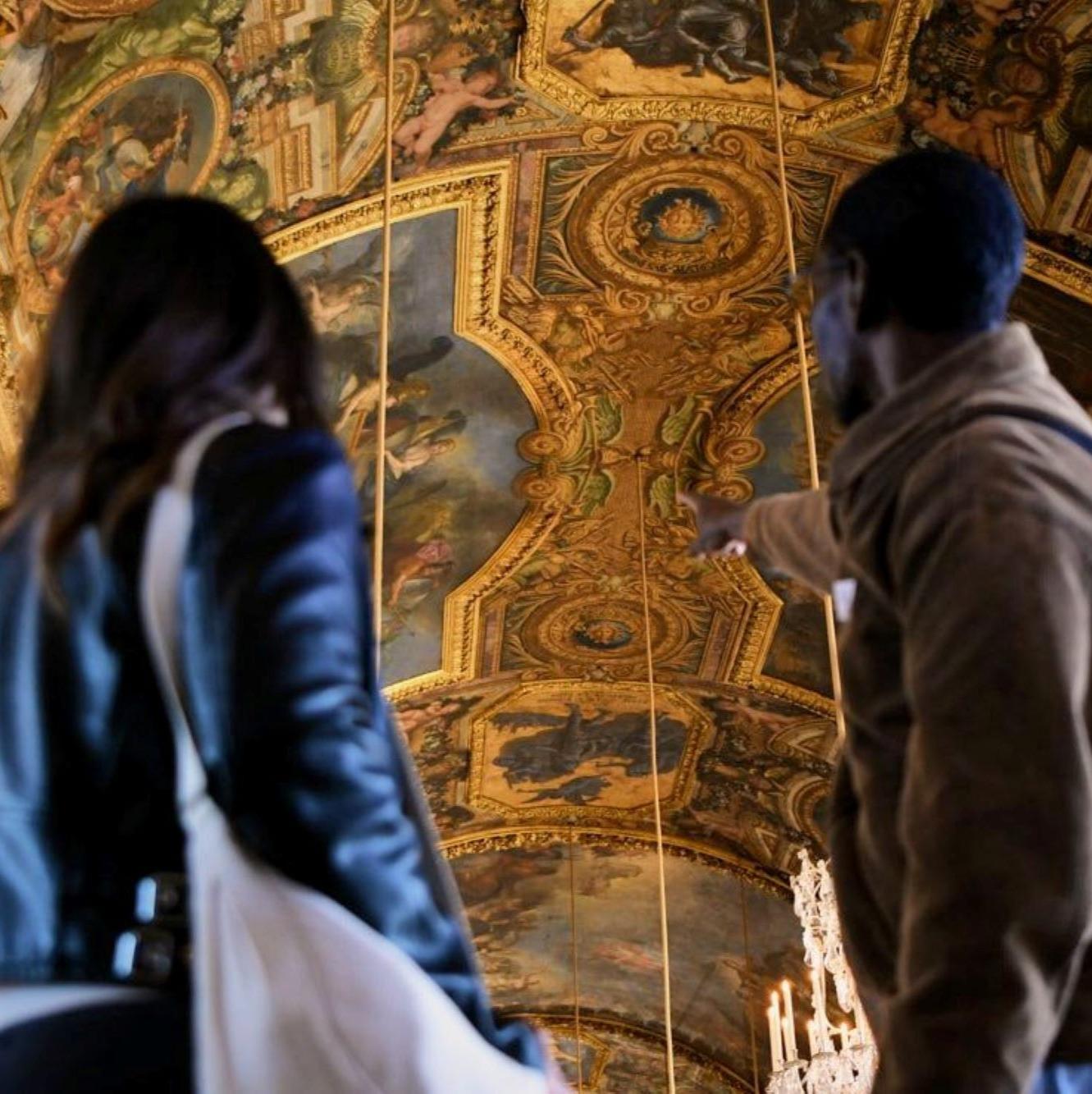
From the 1660s onwards, Louis XIV began transforming and enlarging the château inherited from his father, Louis XIII. A series of successive building campaigns gradually gave rise to the palace we know today. However, it was not until 1682 that the king officially made Versailles the seat of the royal court and government. Among its most iconic additions is the Hall of Mirrors, construction of which began in 1678 under the direction of architect Jules Hardouin-Mansart. Its lavish decoration was entrusted to painter Charles Le Brun.
From brick château to the splendour of Versailles
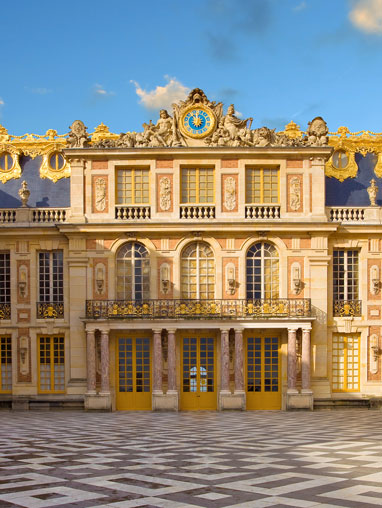
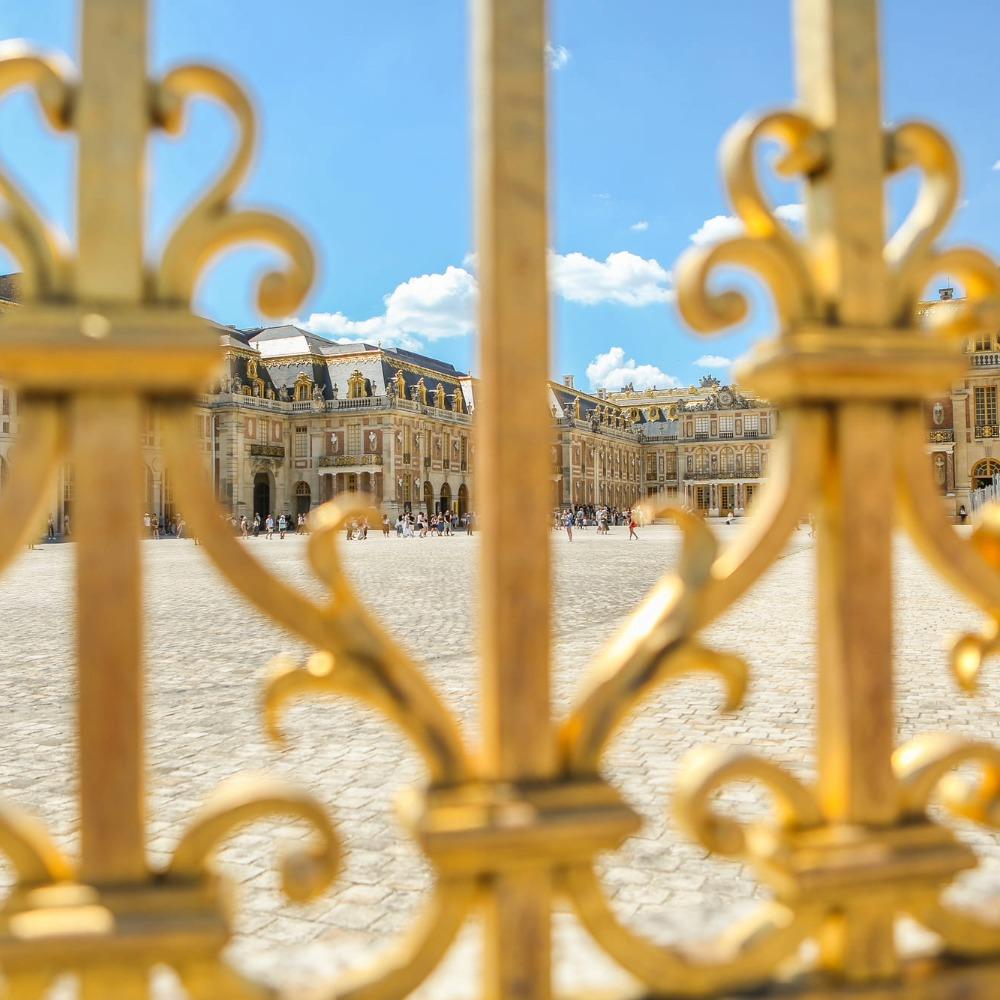
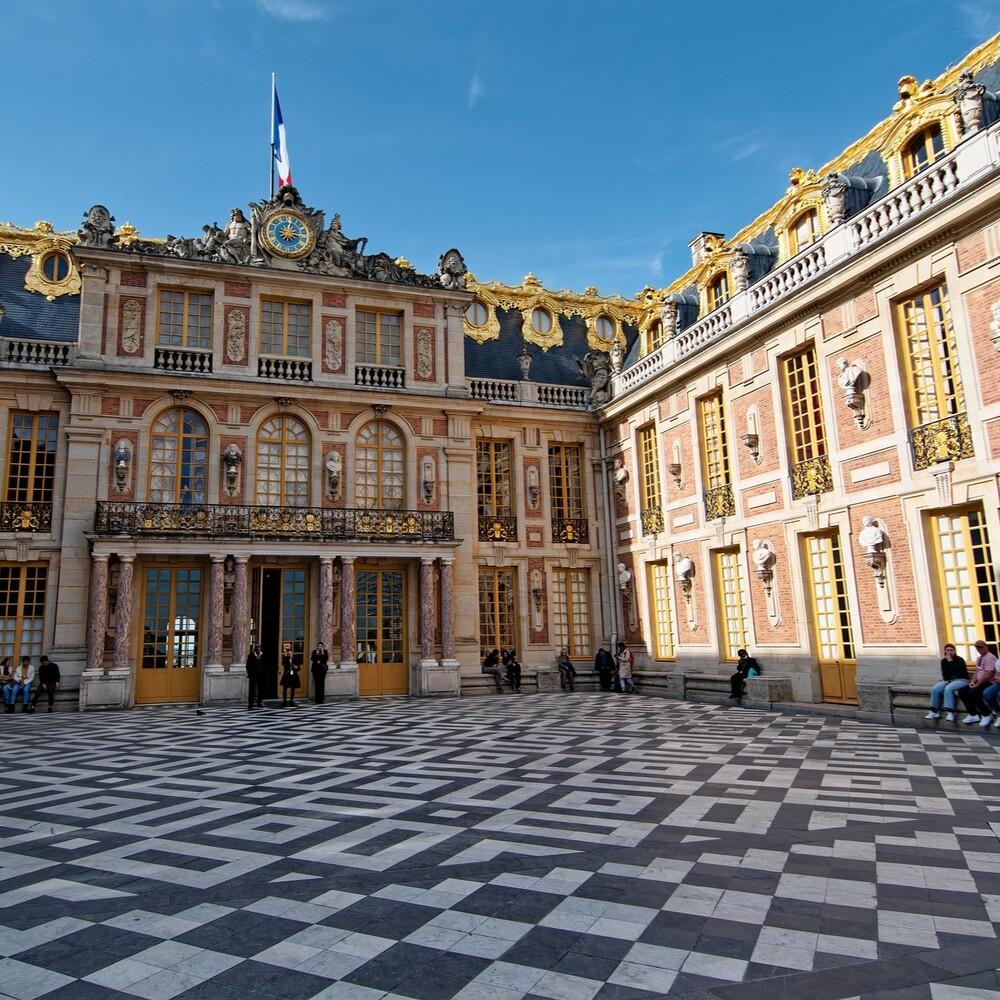
Before Louis XIV’s major building works, Versailles was home to a château built of brick, stone and slate for Louis XIII. The Sun King chose to preserve this original building, gradually incorporating it into a much larger architectural complex. The palace’s architecture combines French Classicism with the rich ornamentation characteristic of the Baroque period. Marble, gilding, sculptures, painted ceilings and trompe-l’œil decoration all contribute to the magnificence of the royal apartments. The very layout of the palace was designed to place the sovereign and the power of the monarchy centre stage.
Harmony through geometry and perspective
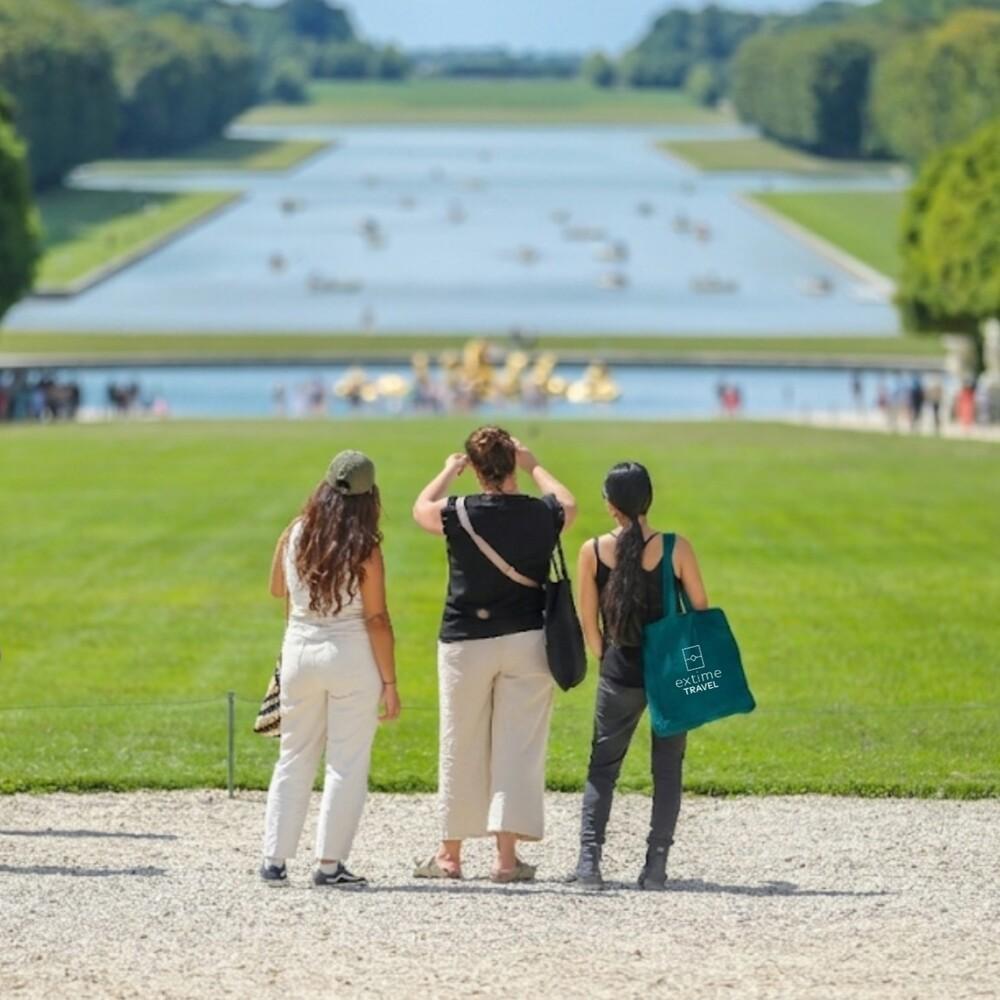
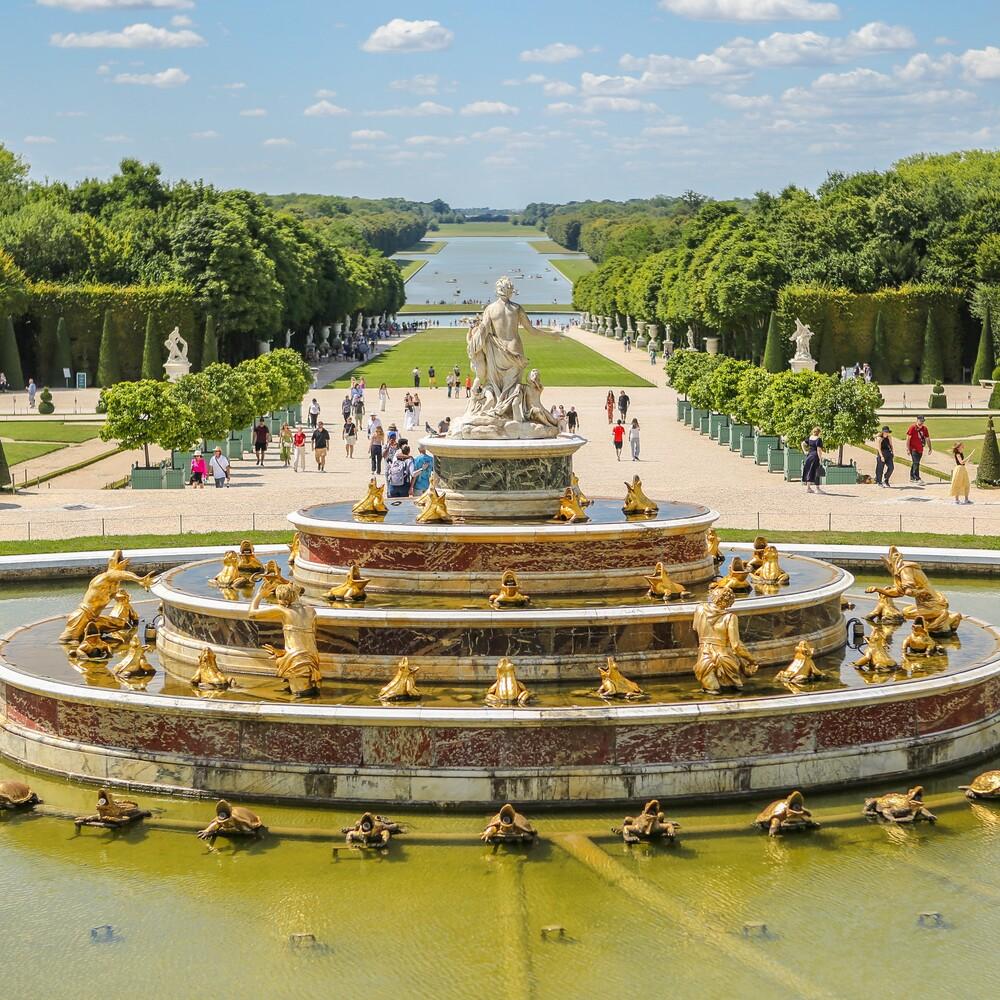
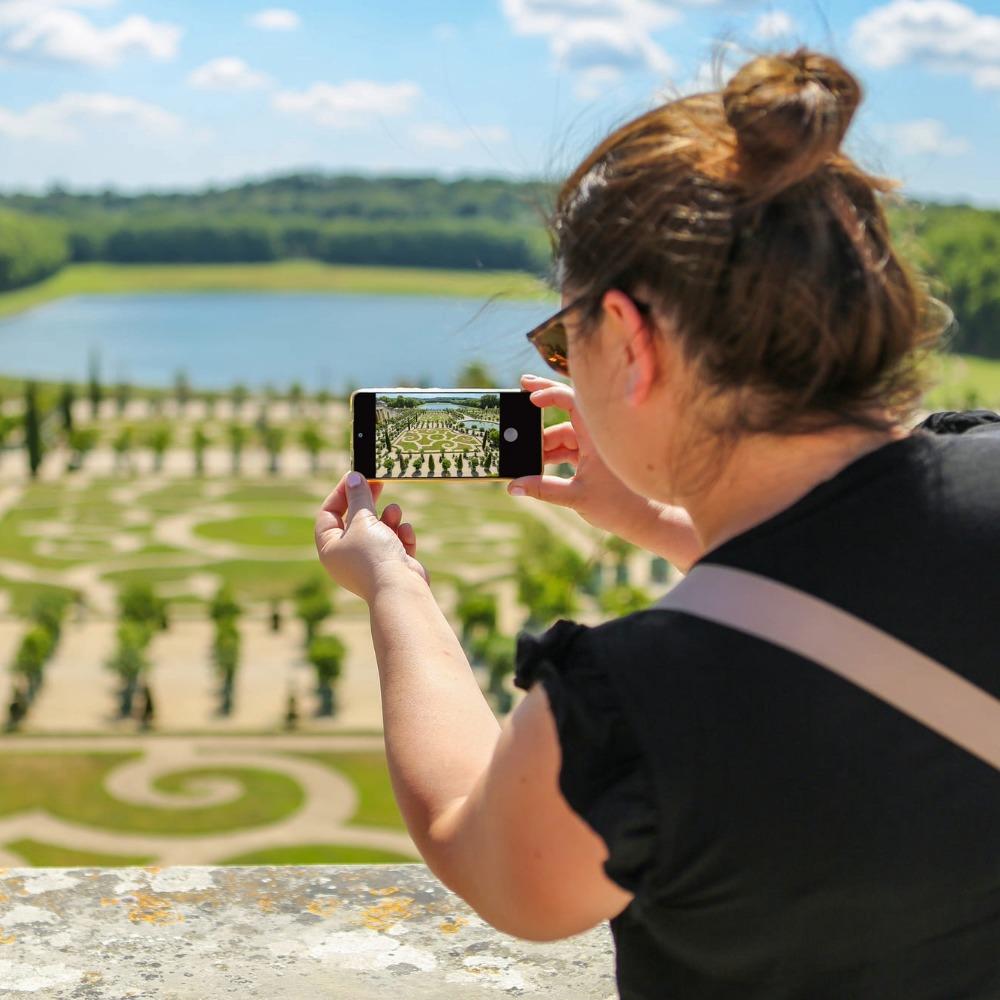
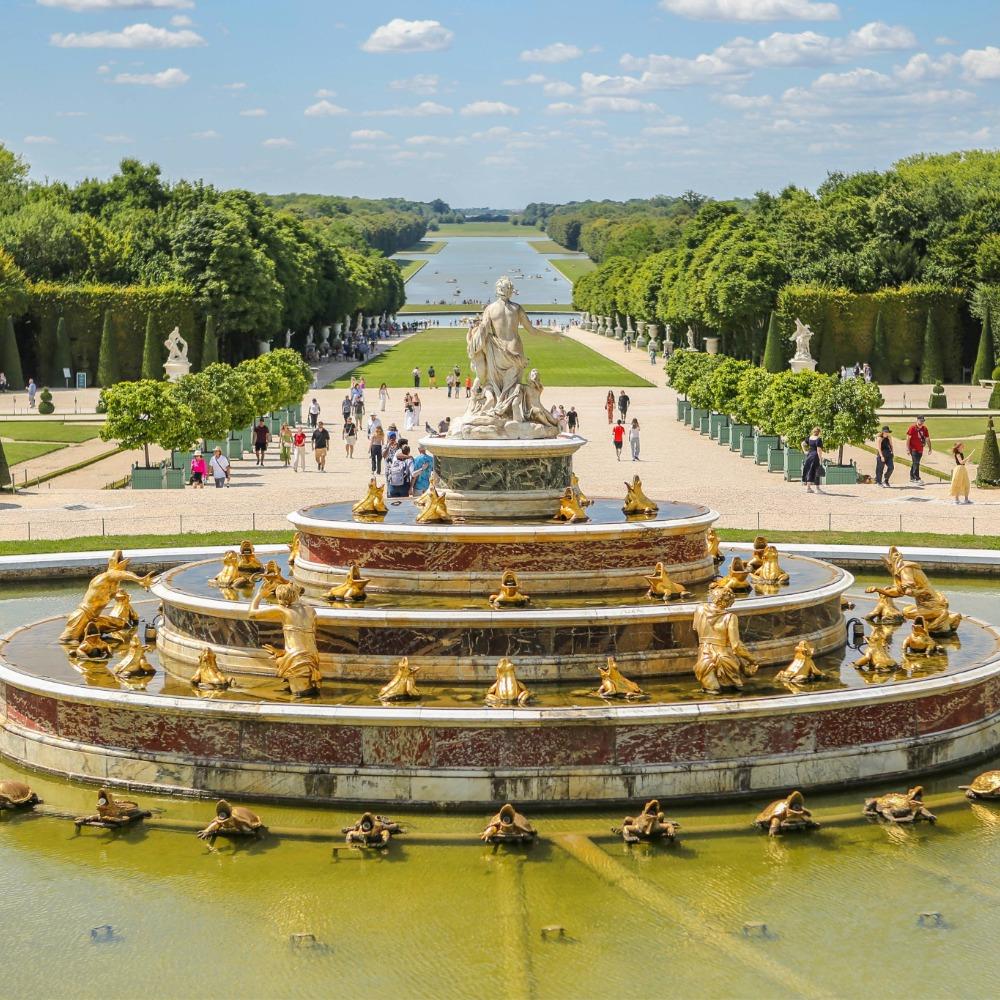
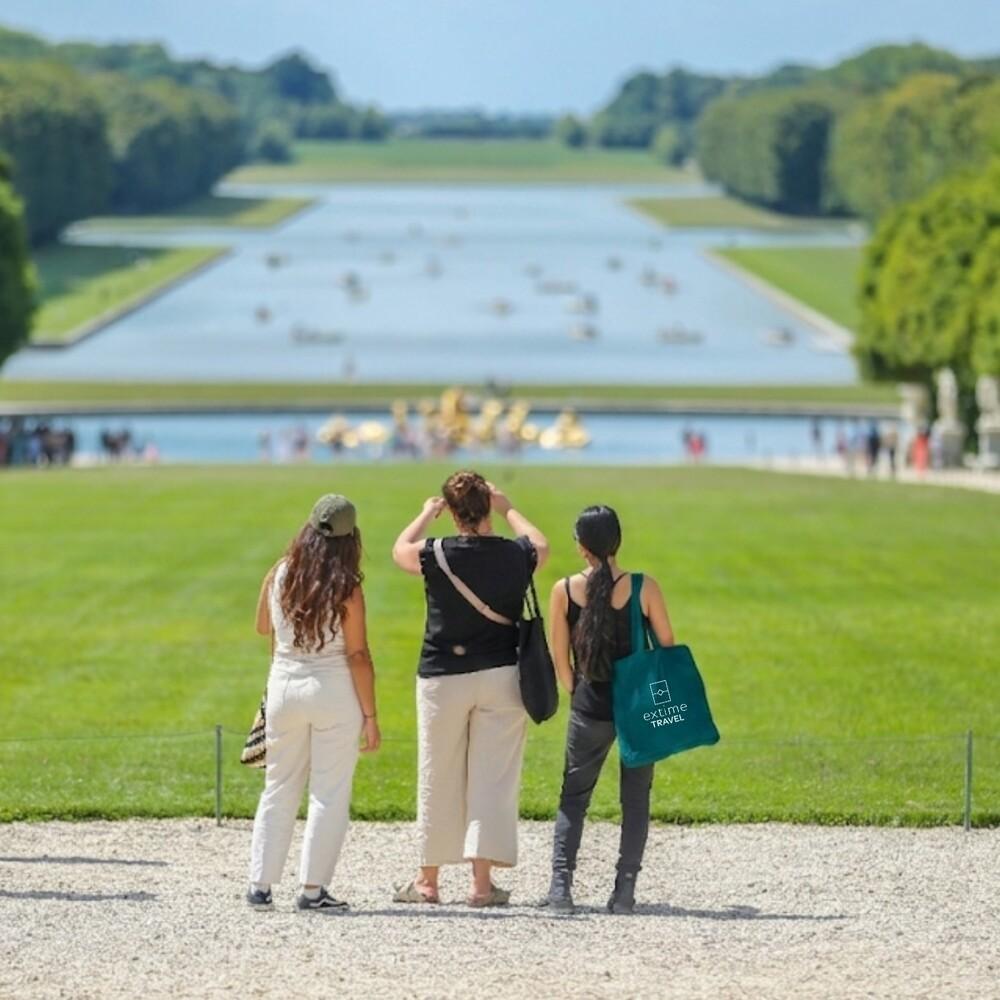
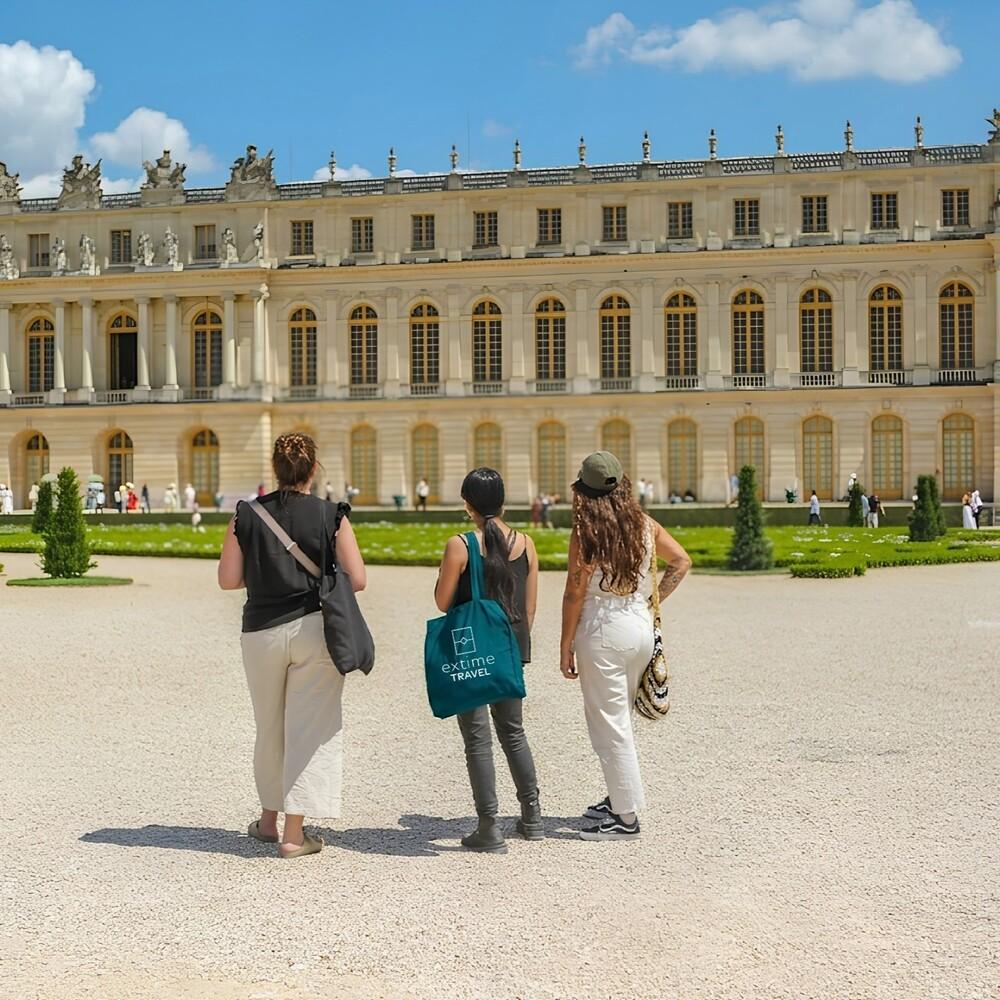
Despite its immense scale and lavish decoration, the Palace of Versailles conveys a remarkable sense of unity. Symmetry, the regular rhythm of its façades, long perspectives and carefully orchestrated visual effects structure both the palace and its gardens. This pursuit of harmony continues outdoors. From the palace, grand avenues stretch through the gardens designed by André Le Nôtre, drawing the eye towards the horizon. Architecture and landscape come together to form a spectacular ensemble conceived to impress visitors and glorify royal power. Listed as a historic monument since 1862, the Palace of Versailles and its park are also inscribed on the UNESCO World Heritage List.
Wings, courtyards and the Place d’Armes
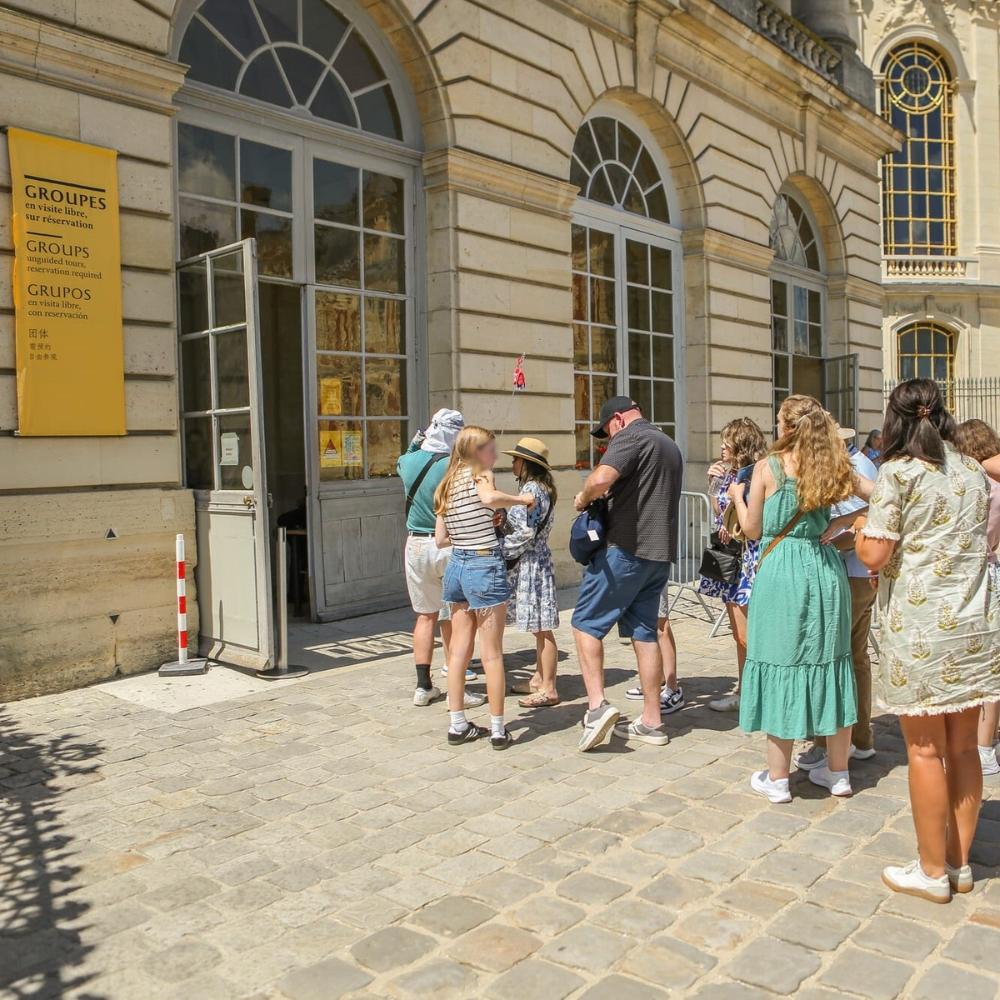
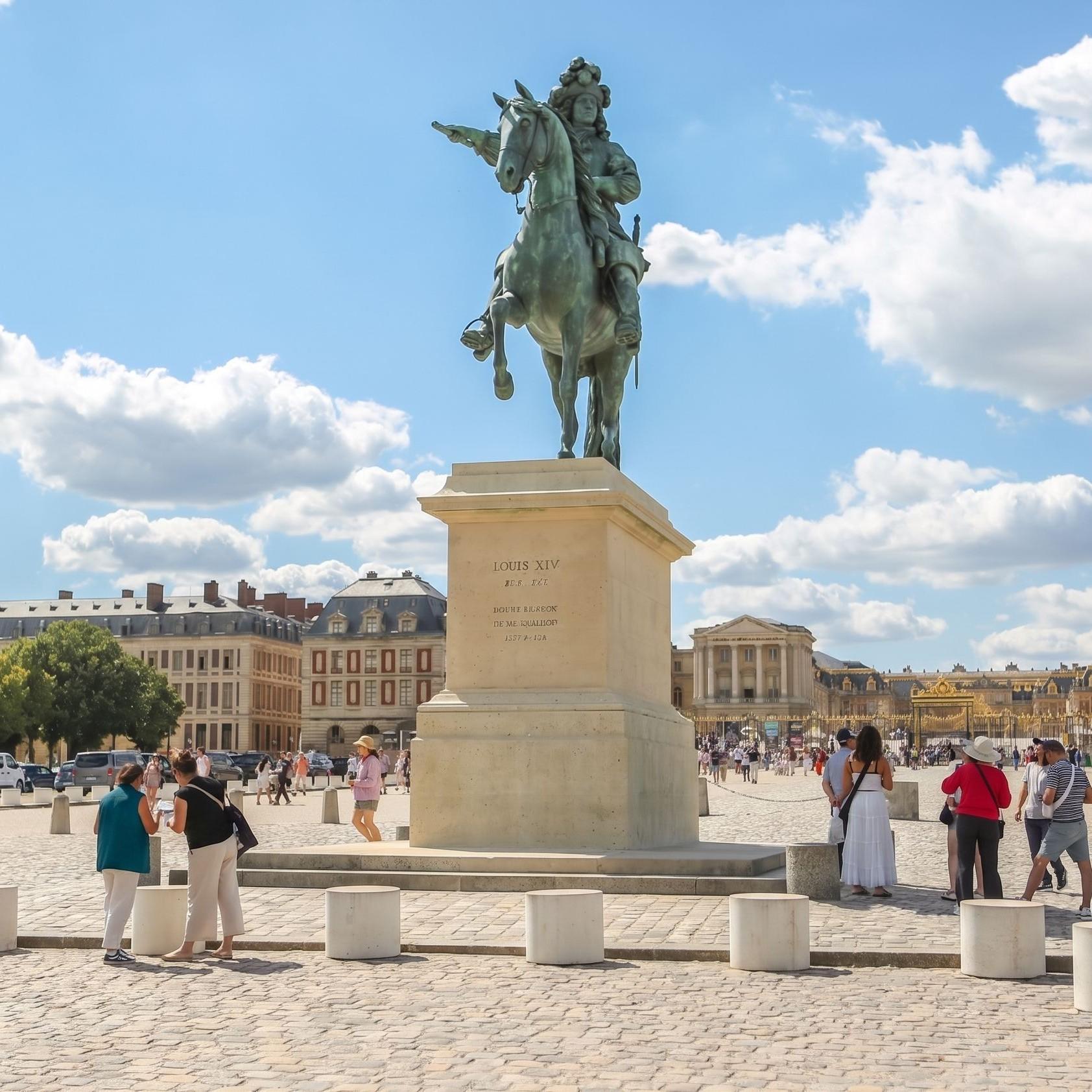
The palace is organised around a series of wings and courtyards. The north wing is notably home to the majestic Royal Chapel, completed in 1710 under Louis XIV. Further north, the Royal Opera, built under Louis XV and inaugurated in 1770, marks another chapter in the palace’s architectural history. In front of the palace, the vast Place d’Armes welcomes visitors today. It opens onto the succession of courtyards leading to the heart of the former royal residence, immediately conveying the monumental scale of Versailles.