The dawn of the Sun King's reign
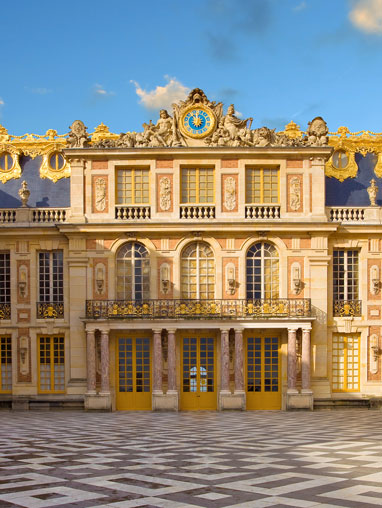
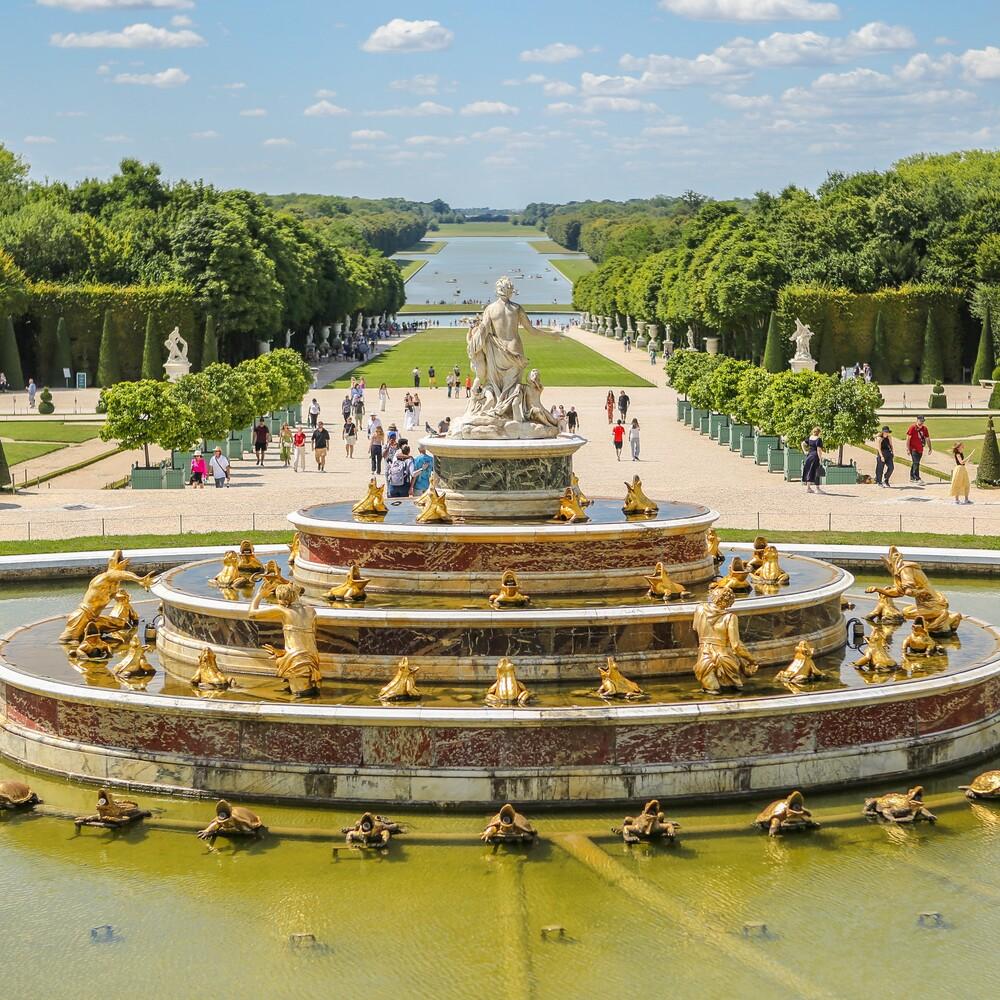
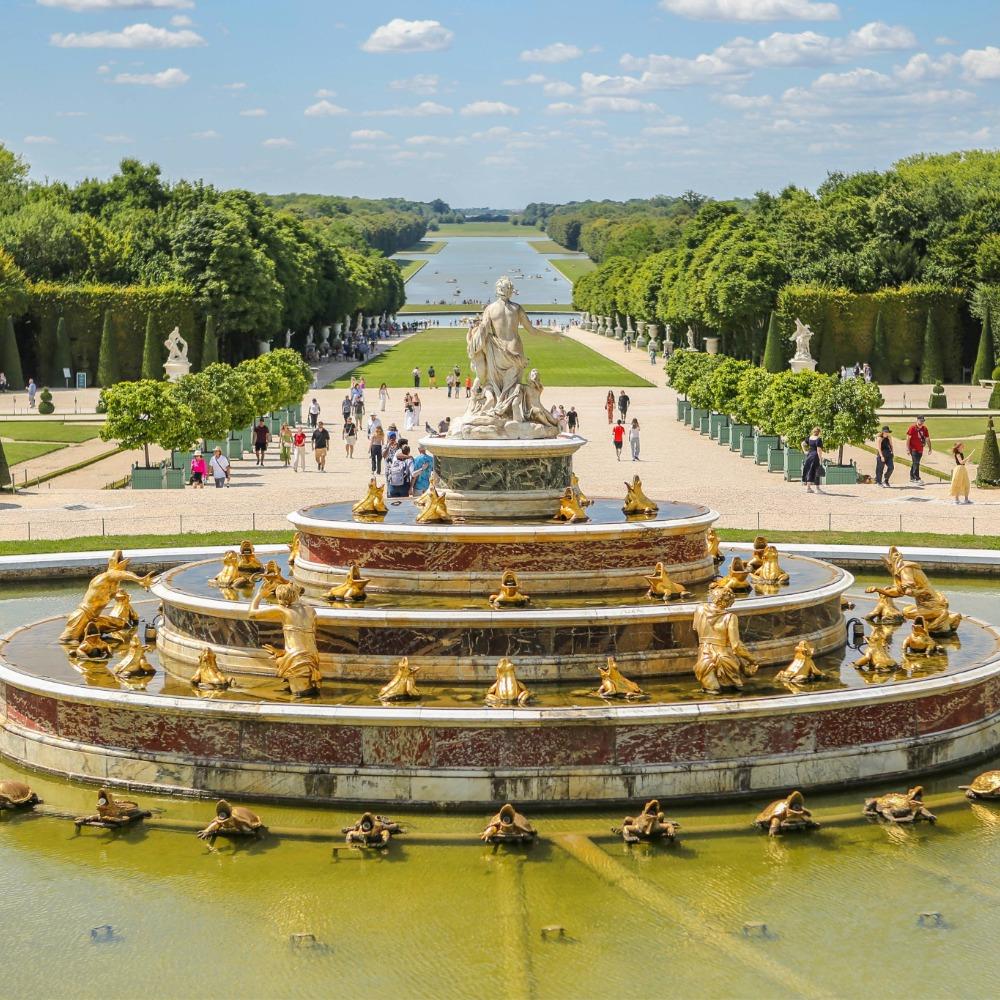
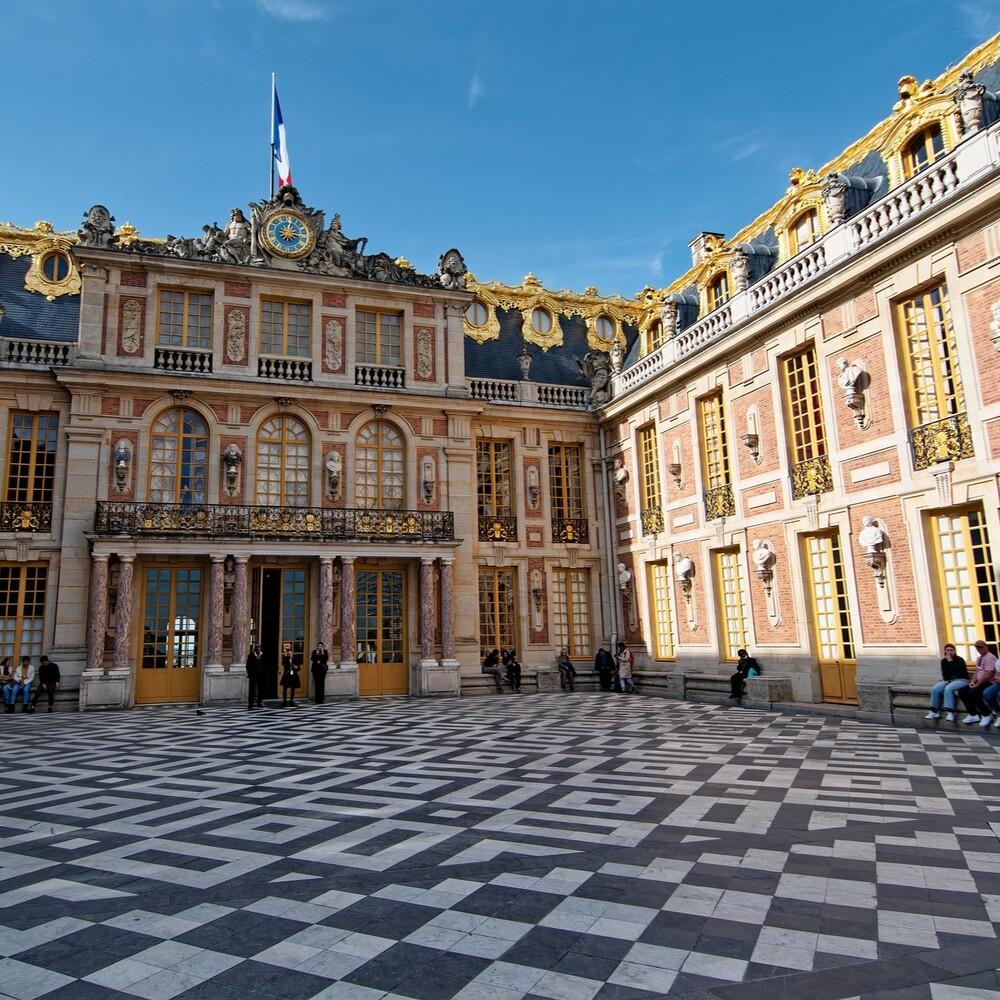
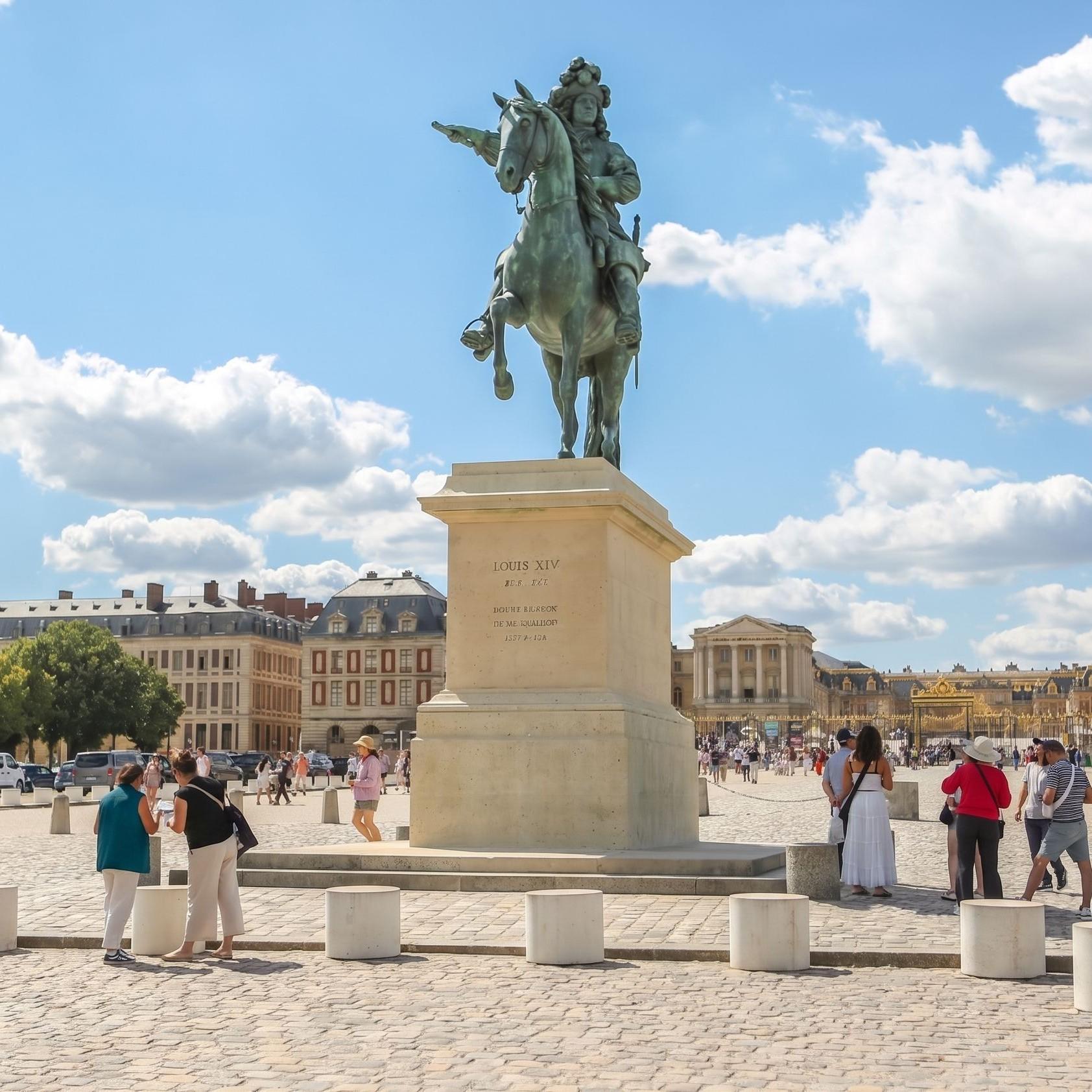
The era of Louis XIV truly began when the king broke free from the authority of his mother, Anne of Austria, and asserted his own sovereignty. From that moment, Versailles became the supreme expression of his power, a place where the rituals and grandeur of the court served the image of an absolute monarch, and where every detail was arranged to reflect his glory.
A monarchy at its height
While the monarchy reached its apogee, the thinkers known as the Enlightenment were beginning to launch reflections that questioned the workings of the kingdom of France. They were not truly revolutionary, and their questioning was scientific, philosophical, or social in nature. Yet power had reason to be wary, for absolute monarchy rested on a king whose authority was held to come from God. Any doubt cast on religion as it was practiced by the clergy of the seventeenth century was therefore a danger to that power.
The seeds of change
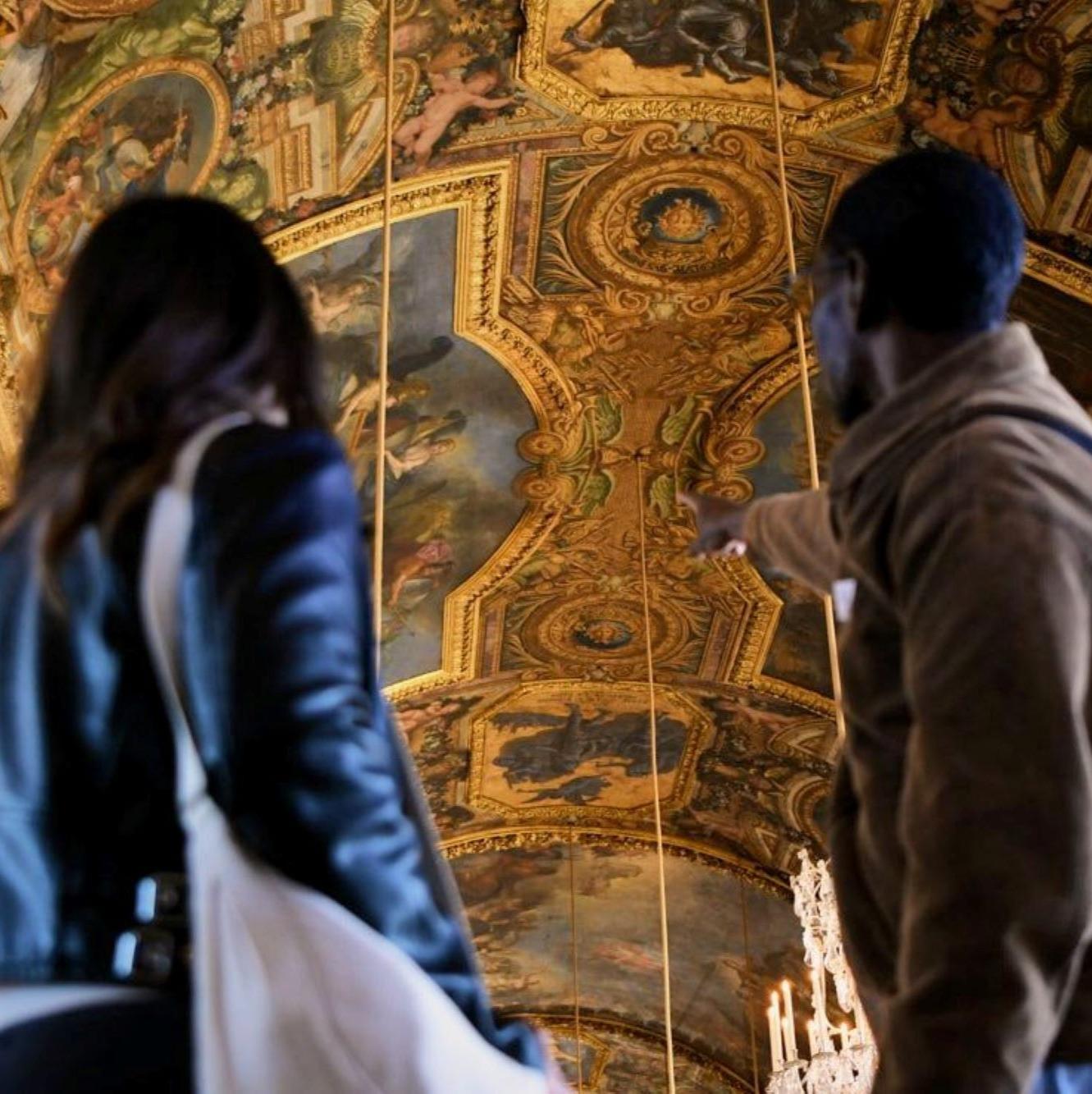
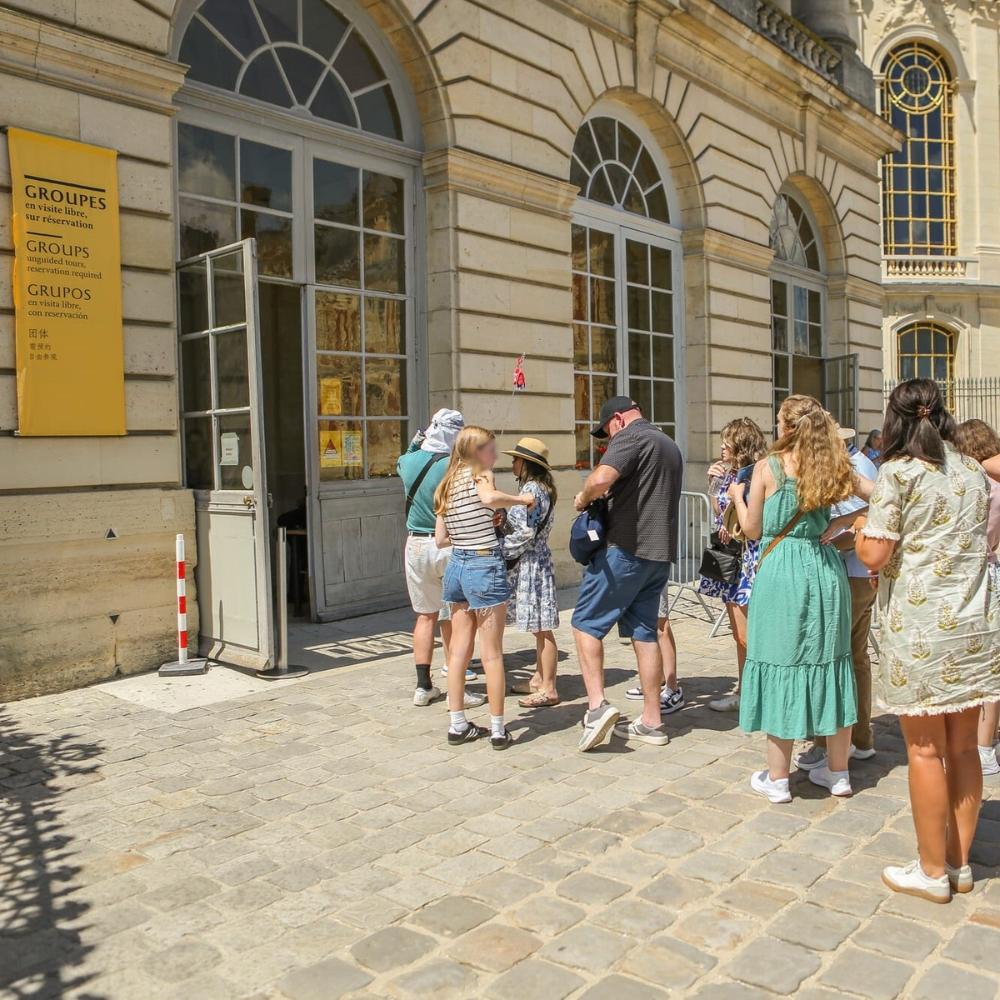
It was precisely during these scientific advances and philosophical works that the seeds of revolution were sown, the revolution that Louis XVI and Marie-Antoinette would one day witness. A guided visit of Versailles helps to make sense of this era and its impact on the history of France. It is worth noting that in the time of Louis XIV the Queen's Hamlet did not yet exist at Versailles, for it was built toward the end of the eighteenth century.