Logo Extime Hosted by ParisAéroport

3 days in Paris: a long weekend in the City of Light

Three days in Paris is the sweet spot for first-time travellers and discerning return visitors alike. It is enough time to enjoy two or three signature museums, climb an emblematic monument, taste the gastronomy of the Left Bank and let yourself drift through Montmartre. With clear priorities, this duration allows you to alternate must-see sights and quieter discoveries. Extime Travel has built a three-day itinerary that captures the artistic, historical and gastronomic heart of the capital, with a deliberately relaxed rhythm.

Day 1: the Left Bank and the Impressionist masters

Begin your stay on the Left Bank, traditionally associated with a bohemian and artistic identity. The arrondissements south of the Seine concentrate creative neighborhoods, prestigious universities, museums and major monuments. Start your first day at the Musée d'Orsay, housed in a former late nineteenth-century railway station and dedicated to the Impressionist movement, with masterpieces such as Claude Monet's Le déjeuner sur l'herbe, Édouard Manet's Olympia or Vincent van Gogh's self-portraits.
 

Continue along the rue de Bellechasse and the rue de Grenelle towards the Hôtel des Invalides and the Musée Rodin. The latter, set in a former mansion with a remarkable garden, brings together the most striking sculptures of the artist, including The Thinker and The Gates of Hell. After lunch in a Saint-Germain bistro, walk to the Jardin du Luxembourg for a slower-paced afternoon, between Medici Fountain, parterres and shady benches.
 

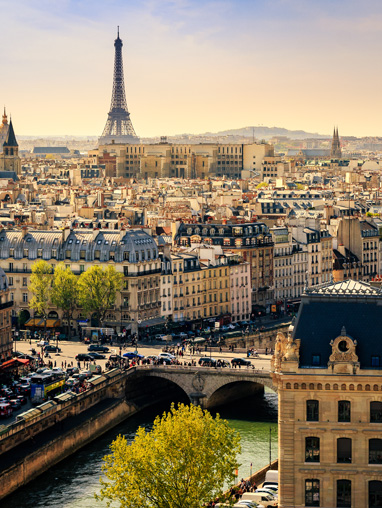
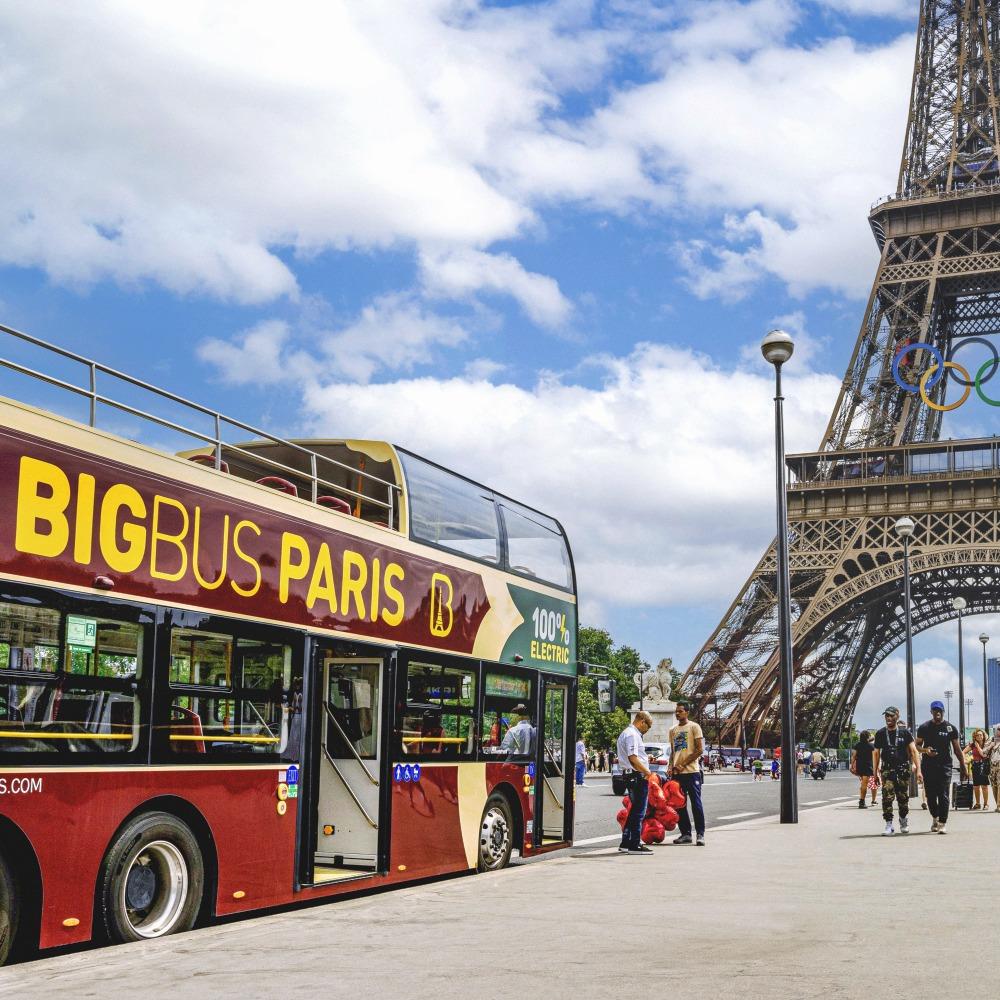
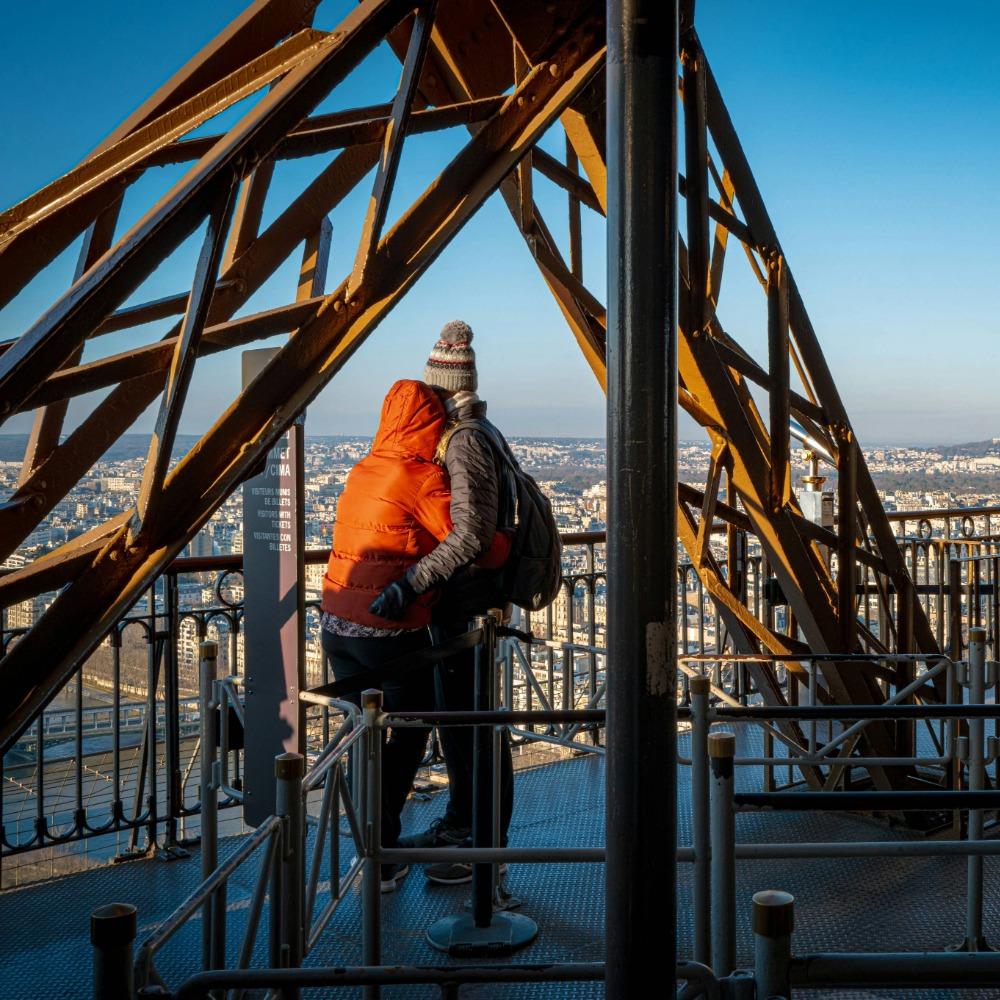
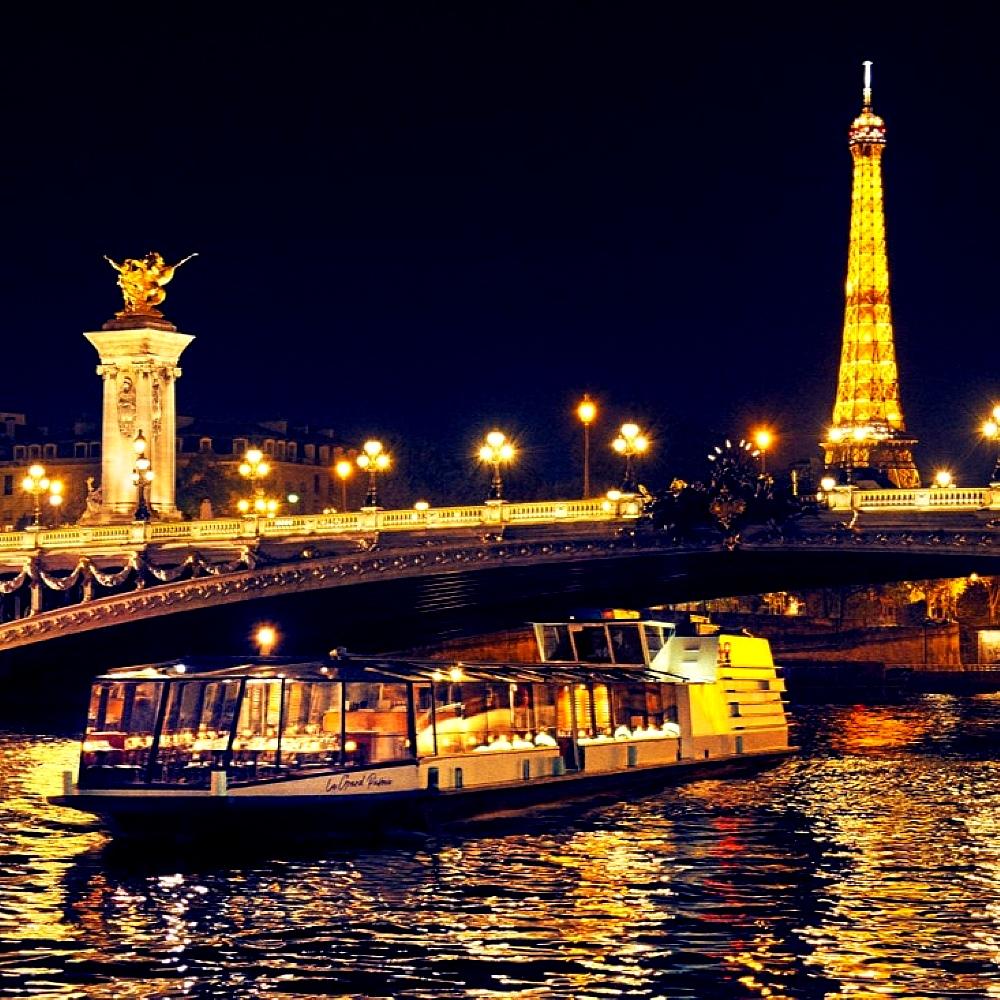
Round off the day at the Eiffel Tower, ideally at dusk to enjoy the city as it lights up. The hourly sparkle, visible after sunset for five minutes on the hour, remains one of the most photographed moments in Paris. A dinner at one of the official restaurants of the Tower or a Seine cruise from the Pont d'Iéna will turn this first evening into an unforgettable memory.

Day 2: the Louvre, lunch on the Seine and Montmartre

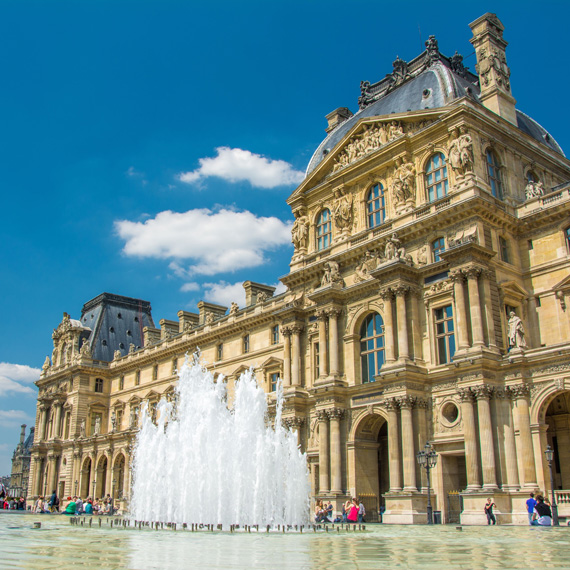
How can you visit Paris without a stop at the Louvre? Starting your day with the world's largest museum is also the best way to avoid the busiest hours. Plan at least 2h30 to discover the most striking pieces of the collection: Leonardo da Vinci's Mona Lisa, the Venus de Milo, Paolo Veronese's The Wedding at Cana, Eugène Delacroix's Liberty Leading the People and Michelangelo's Dying Slave. A guided tour with priority access will lead you straight to the major works while leaving you time to explore freely afterwards.
 

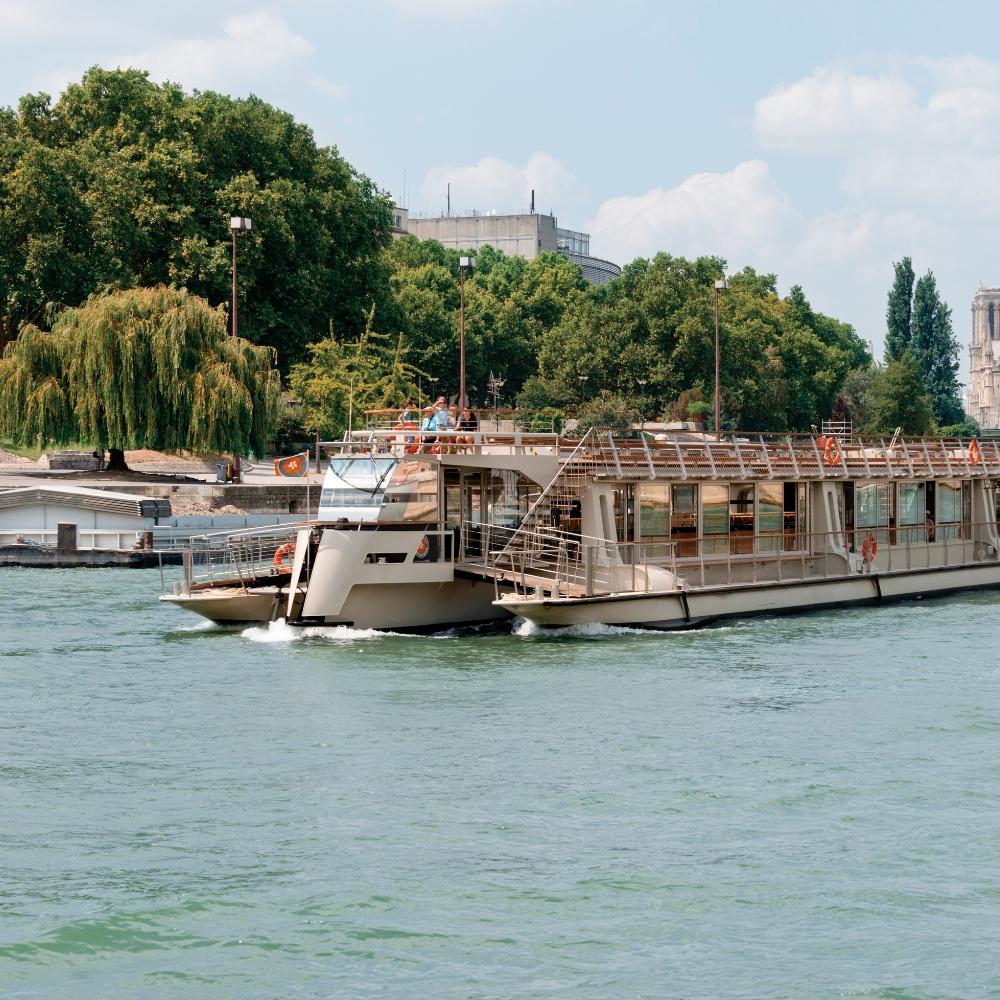
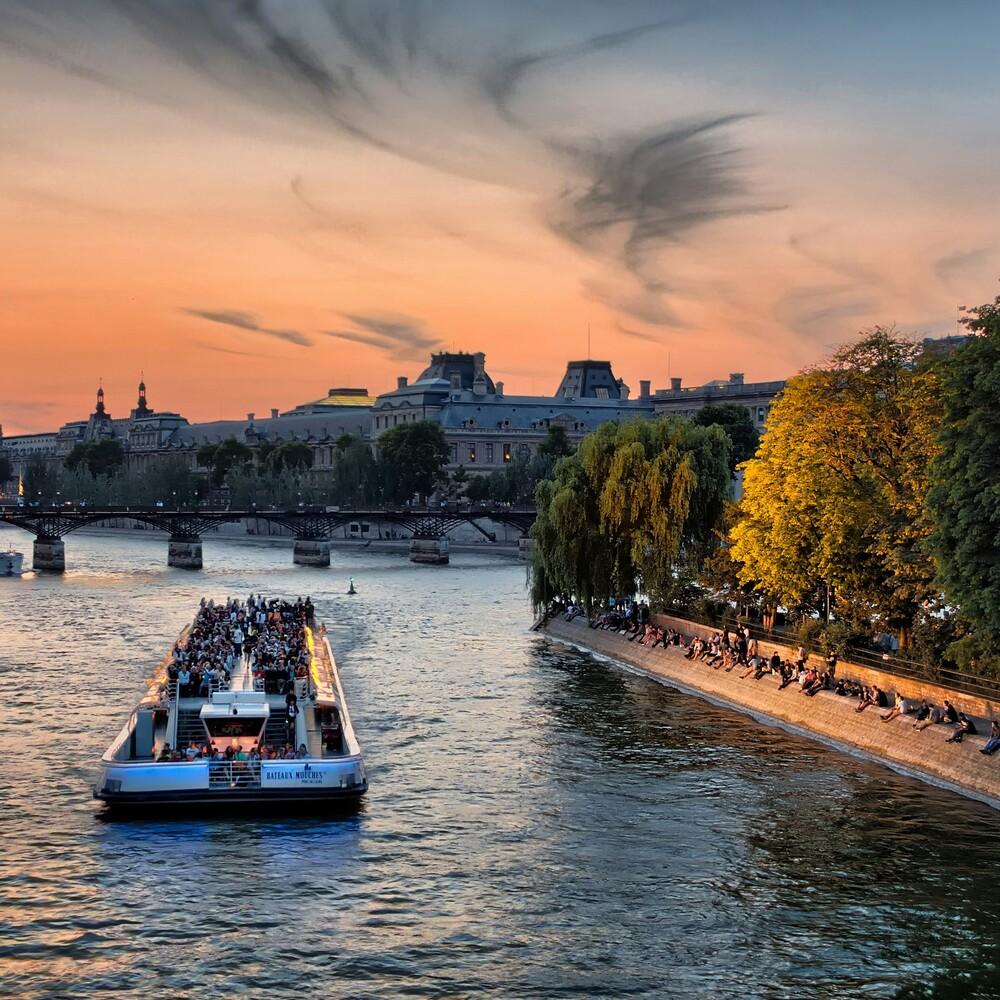
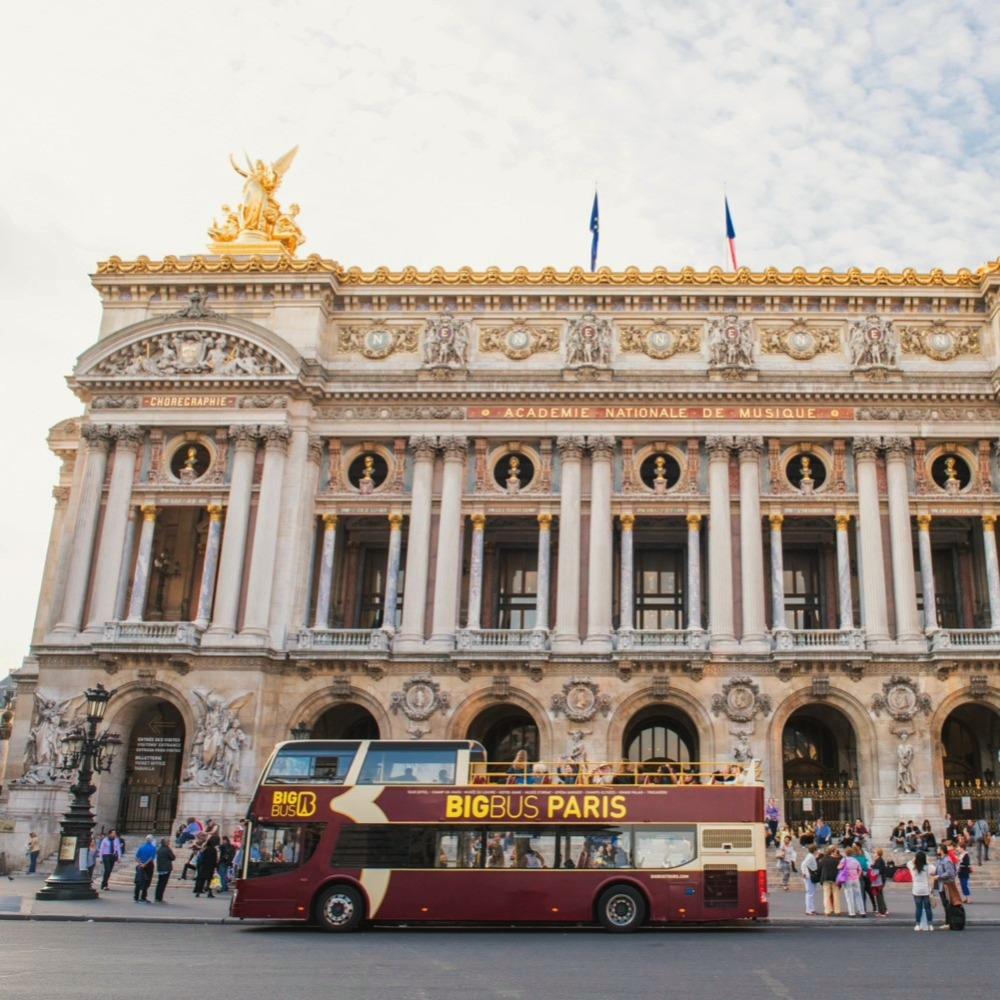
After your visit, board a barge for a lunch cruise on the Seine. Enjoy a bistronomic or romantic meal while admiring breathtaking views of monuments such as the Conciergerie, the Hôtel de Ville and Notre-Dame. Back in central Paris, take the time to visit the Palais Garnier. The Opera house is famous worldwide for its programming but also for its eclectic architecture, its grand staircase and the dome painted by Marc Chagall at the request of André Malraux. A guided tour lasts about an hour.
 

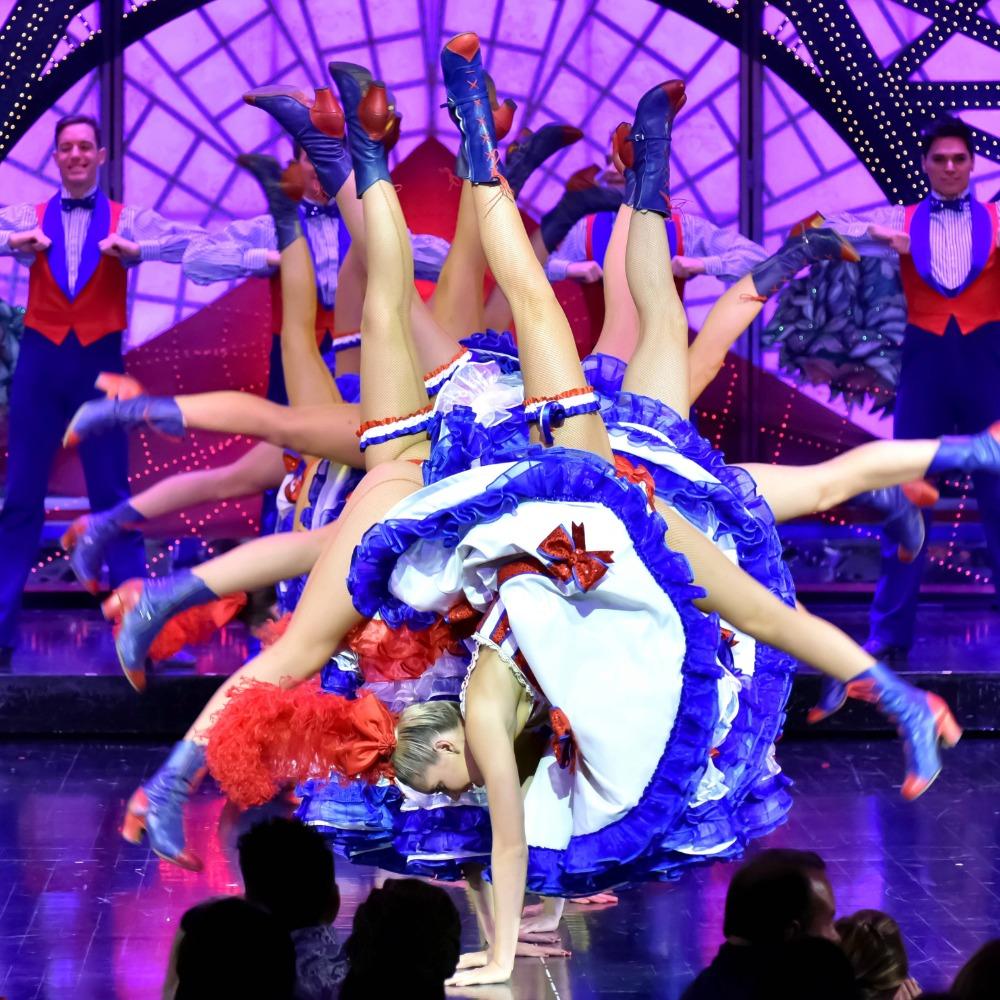
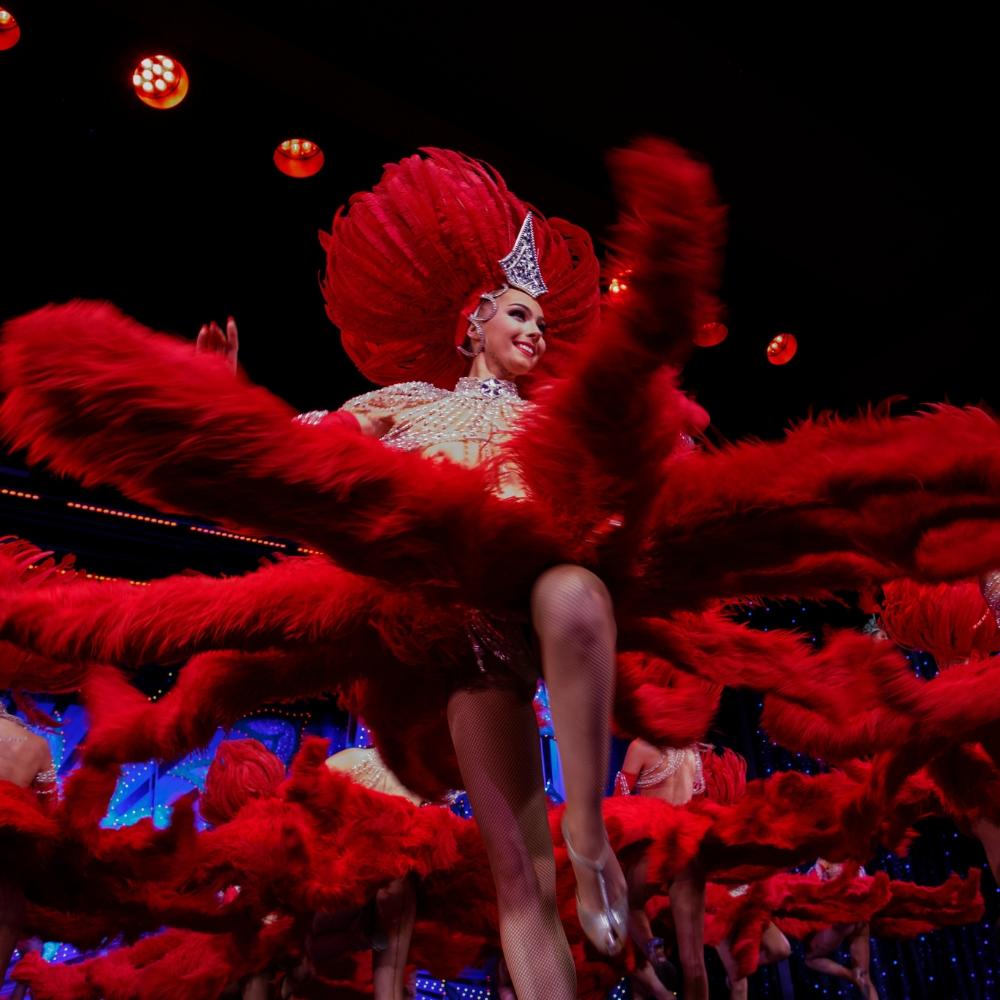
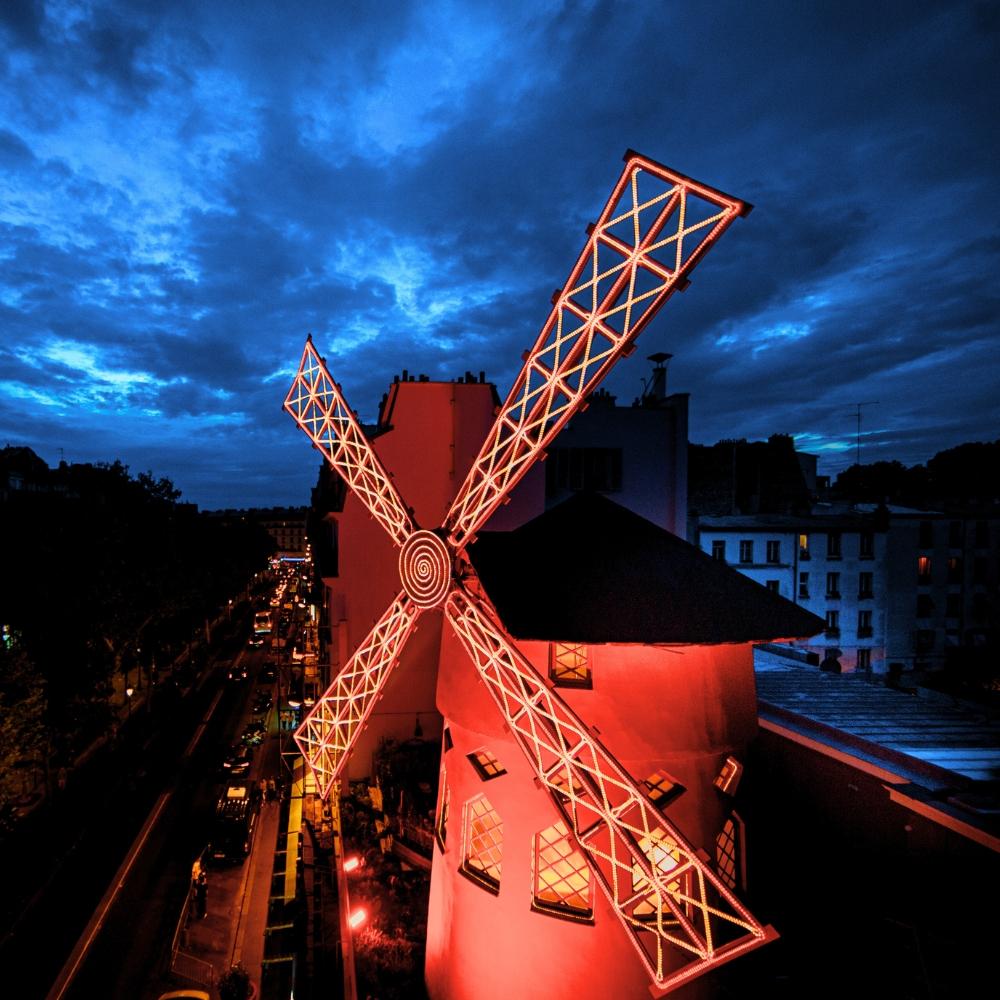
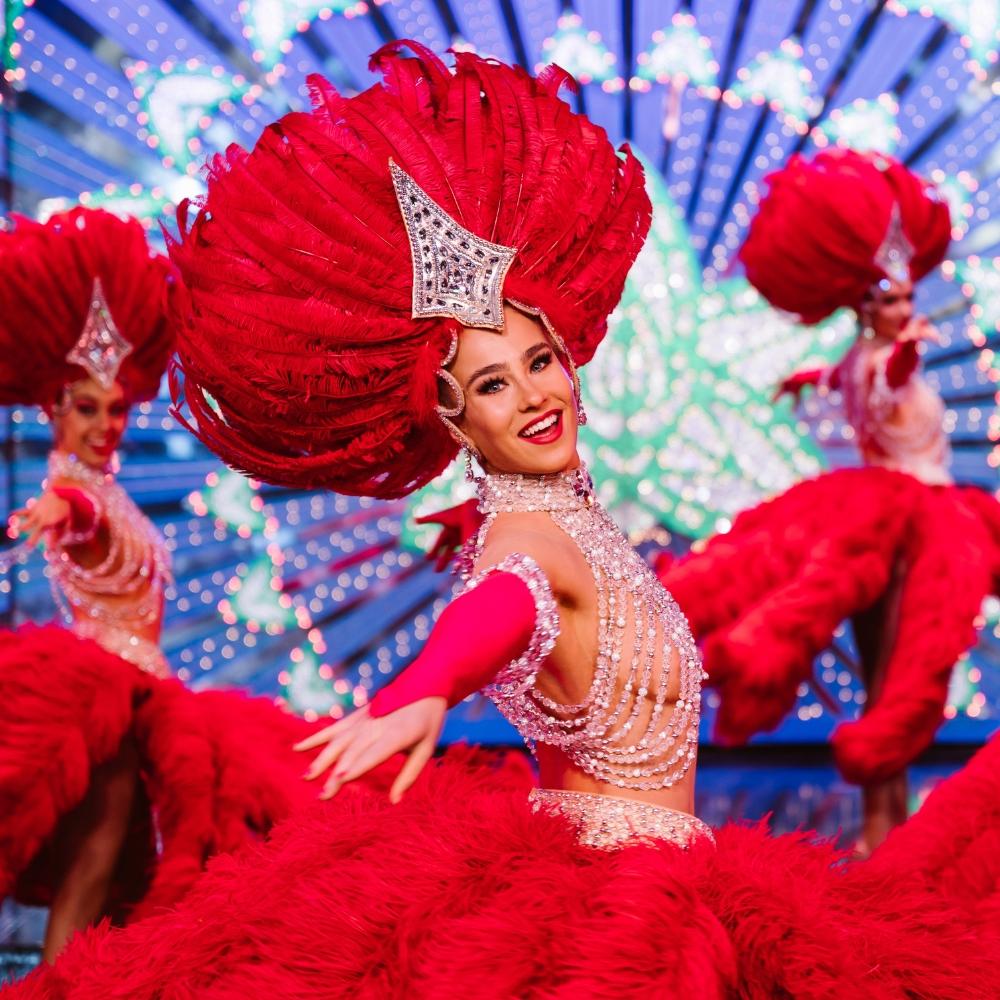
End the second day in Montmartre. Take the funicular up to the Sacré-Cœur Basilica, whose Romano-Byzantine façades shelter one of the largest mosaics in the world. Walk down towards the Place du Tertre, where painters and caricaturists set up their easels, before exploring the Pigalle district. The Moulin Rouge, one of the most prestigious cabarets in Paris, offers an unforgettable evening combining French gastronomy and an internationally renowned revue.
 

Day 3: a slower rhythm between the Île de la Cité and the Jardin des Plantes

For your third and last day in Paris, slow down the pace. The Jardin des Plantes is a haven of greenery and tranquillity in the heart of the capital. Themed tours of the Muséum national d'Histoire naturelle of about 1h30 leave time to admire the exhibits, the gardens and the menagerie. A shorter one-hour version is also available for travellers in a hurry.
 

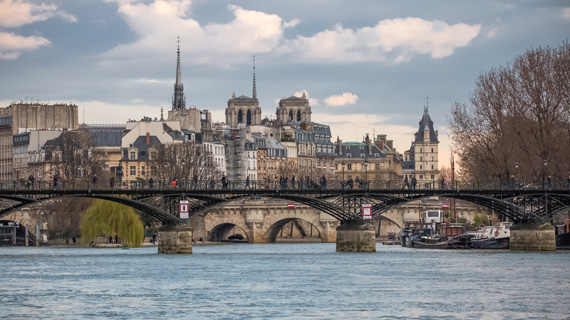
Continue with the Île de la Cité, the historical heart of Paris. Notre-Dame Cathedral and the Sainte-Chapelle are two gems of Gothic art, renowned for their elegance and the finesse of their stained-glass windows. The Conciergerie, ancient royal residence and revolutionary prison, completes this historical immersion. Walking along the quays towards the Pont Neuf and the Square du Vert-Galant offers a final picture of Parisian charm.


Conclude your stay with a stroll through the Marais, between the Place des Vosges, the Picasso Museum and the boutiques of the rue des Francs-Bourgeois. A last apéritif on a café terrace, an early dinner in a Jewish bistro of the rue des Rosiers and a final view of the illuminated city will leave you with the certainty of returning very soon.
 

Practical Information

  • Book tickets for the Louvre, Musée d’Orsay, and the Eiffel Tower at least one week in advance.
  • Check closing days: the Louvre is closed on Tuesdays, and the Musée d’Orsay on Mondays.
  • Consider a 3-day Paris Museum Pass to cover all planned visits.
  • Choose centrally located accommodations (4th, 5th, 6th, or 7th arrondissement) to minimize travel time.
  • Set aside time for a dinner cruise or a cabaret show to experience Paris by night.

You might also like

FAQ

Is 3 days in Paris enough to see the city?

Three days are enough to enjoy the major monuments (Eiffel Tower, Louvre, Notre-Dame, Sacré-Cœur), to visit two or three iconic museums and to explore several emblematic neighborhoods such as Montmartre, the Marais and the Latin Quarter, without feeling rushed.
 

What is the best time to visit Paris over a long weekend?

Spring (April to June) and early autumn (September to October) combine pleasant temperatures, gardens in bloom and a softer light, ideal for photography and walks. Winter, with its illuminations and exhibitions, is also a refined option for cultural escapes.

How can I save time during a 3-day stay in Paris?

Booking priority access tickets in advance, choosing a central hotel and combining a Paris Museum Pass with a Paris Visite transport pass are the three most effective levers. Guided tours are also a smart way to focus on the essentials at major museums.