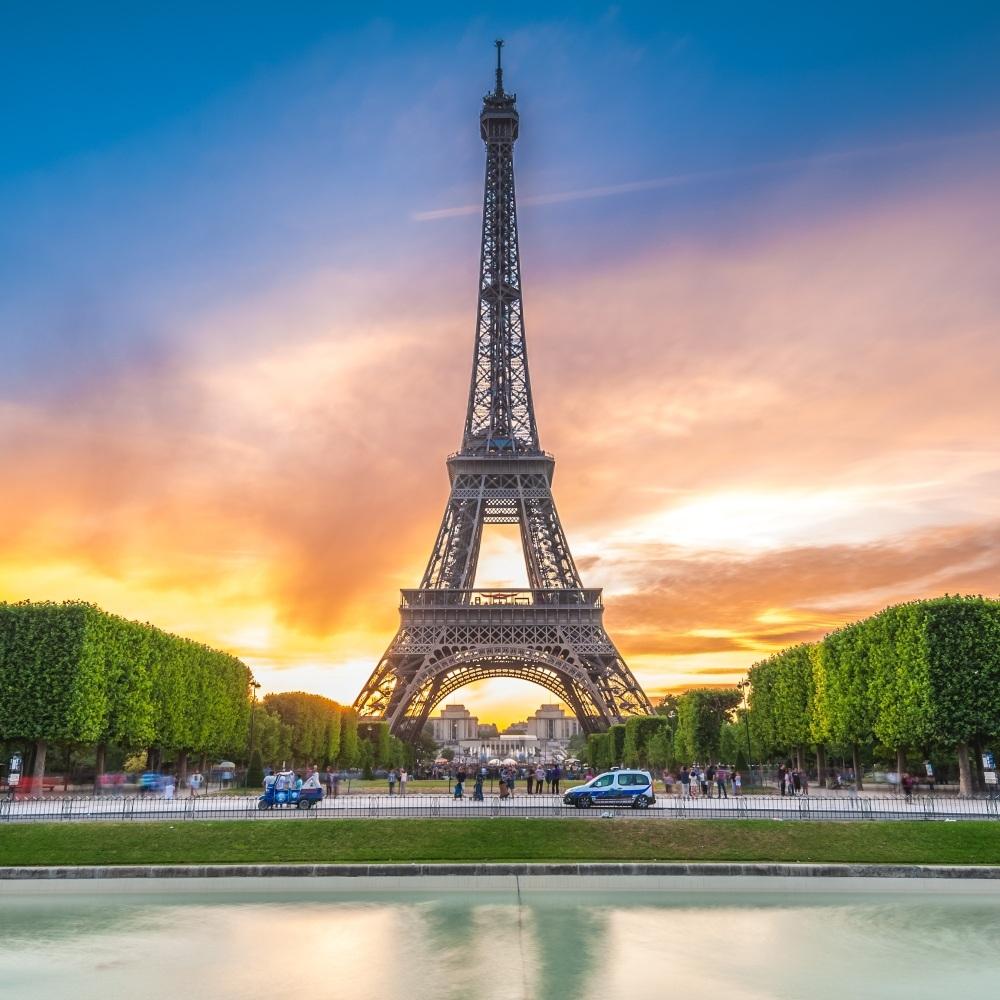
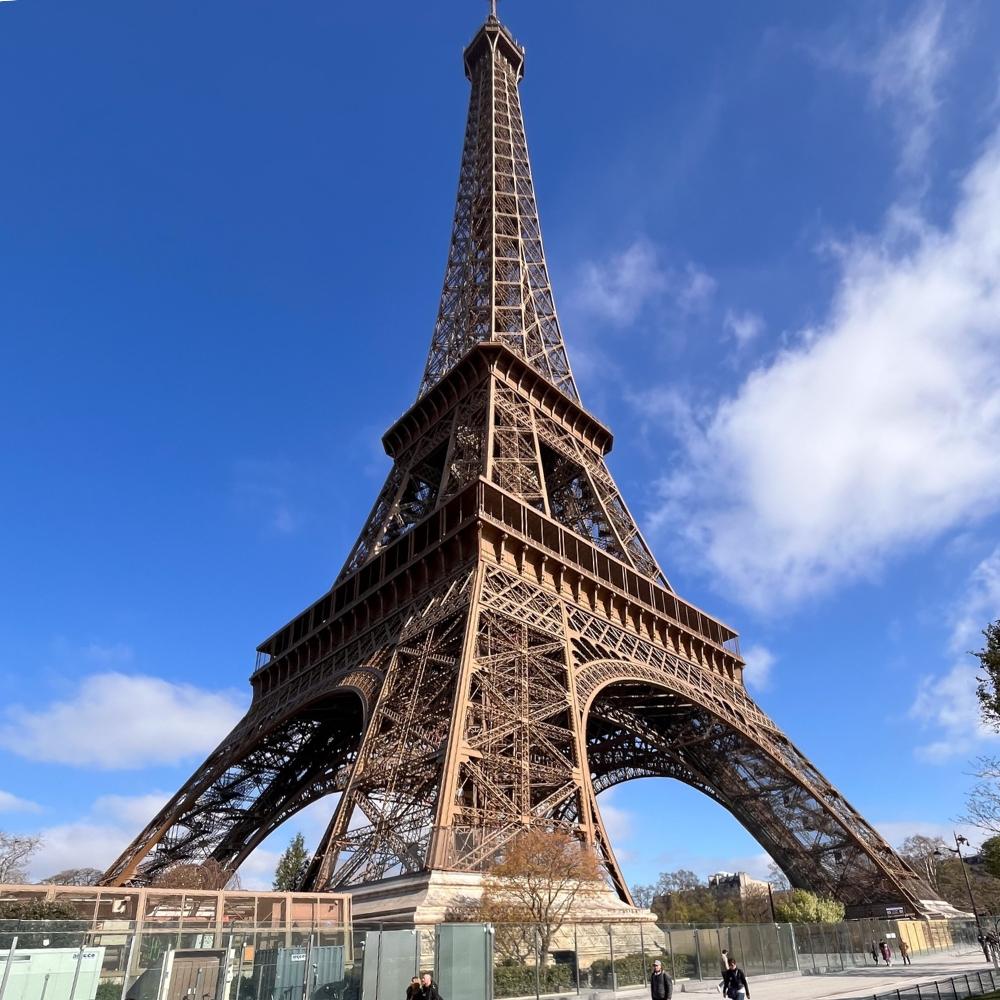
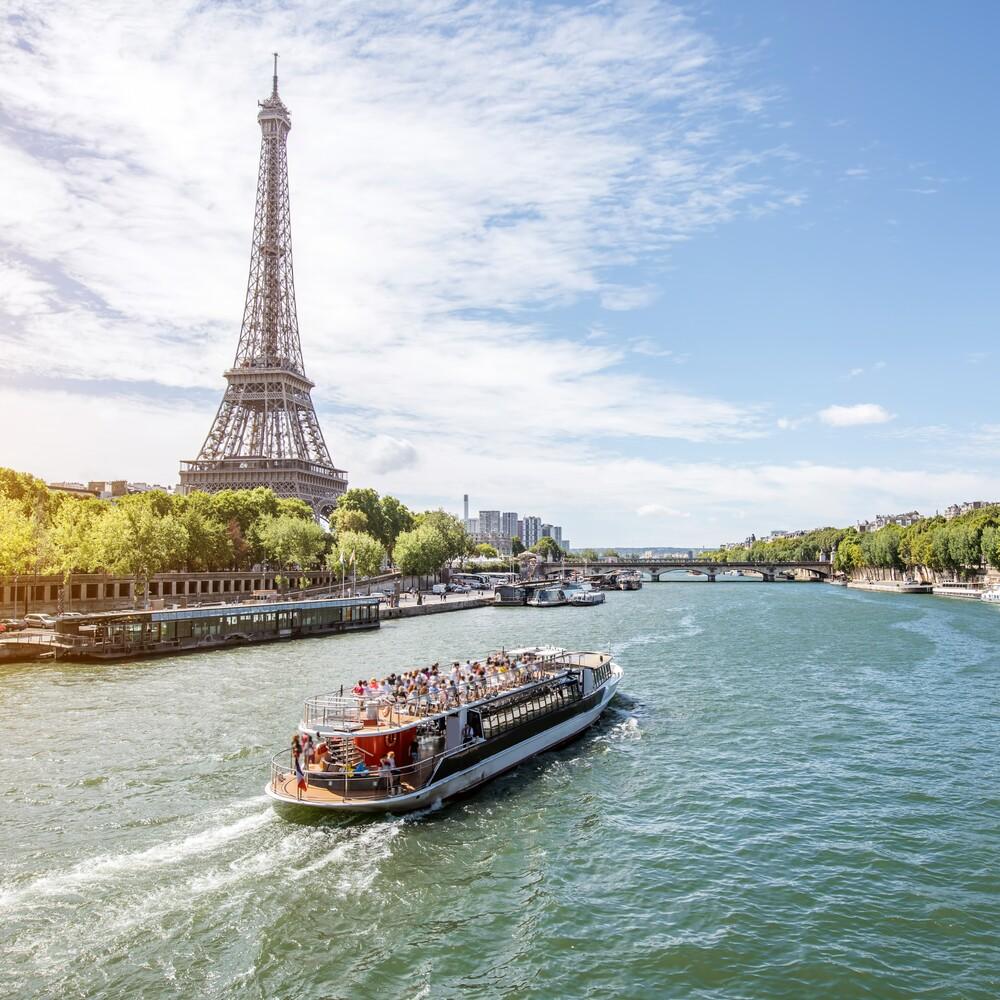
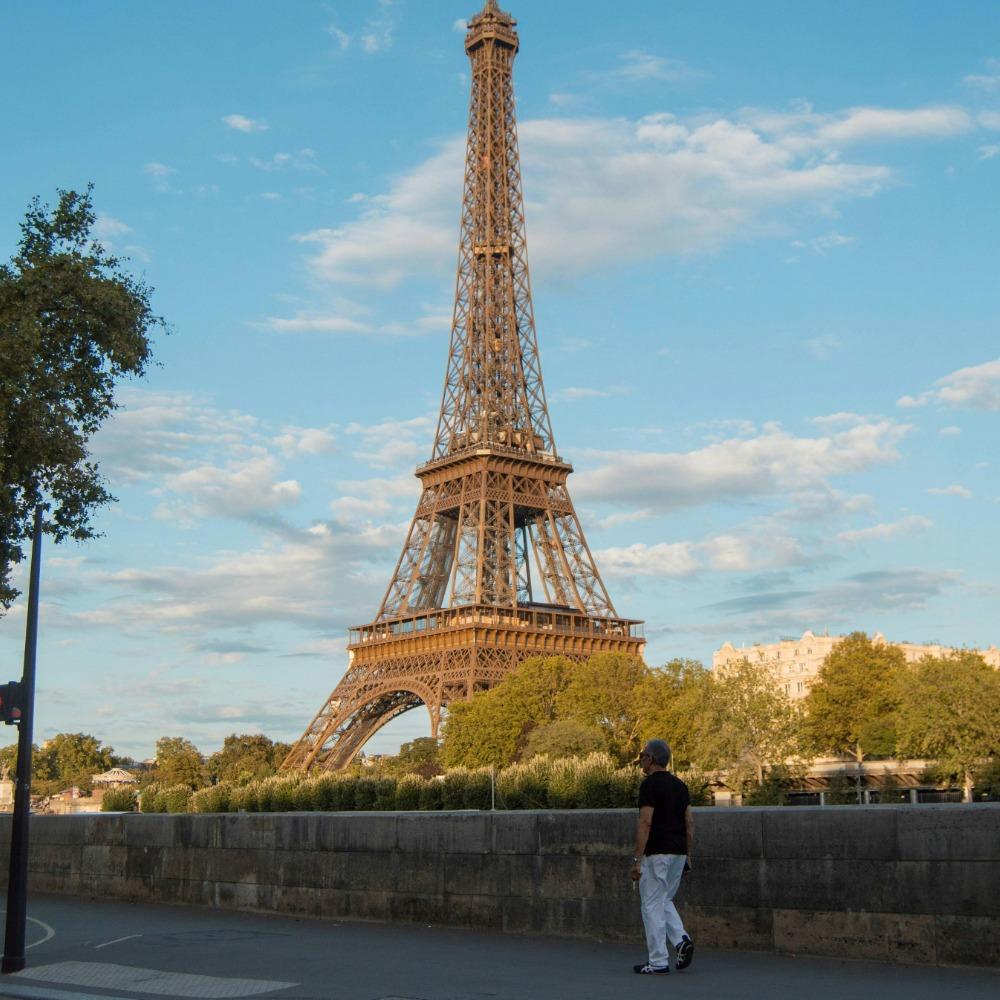
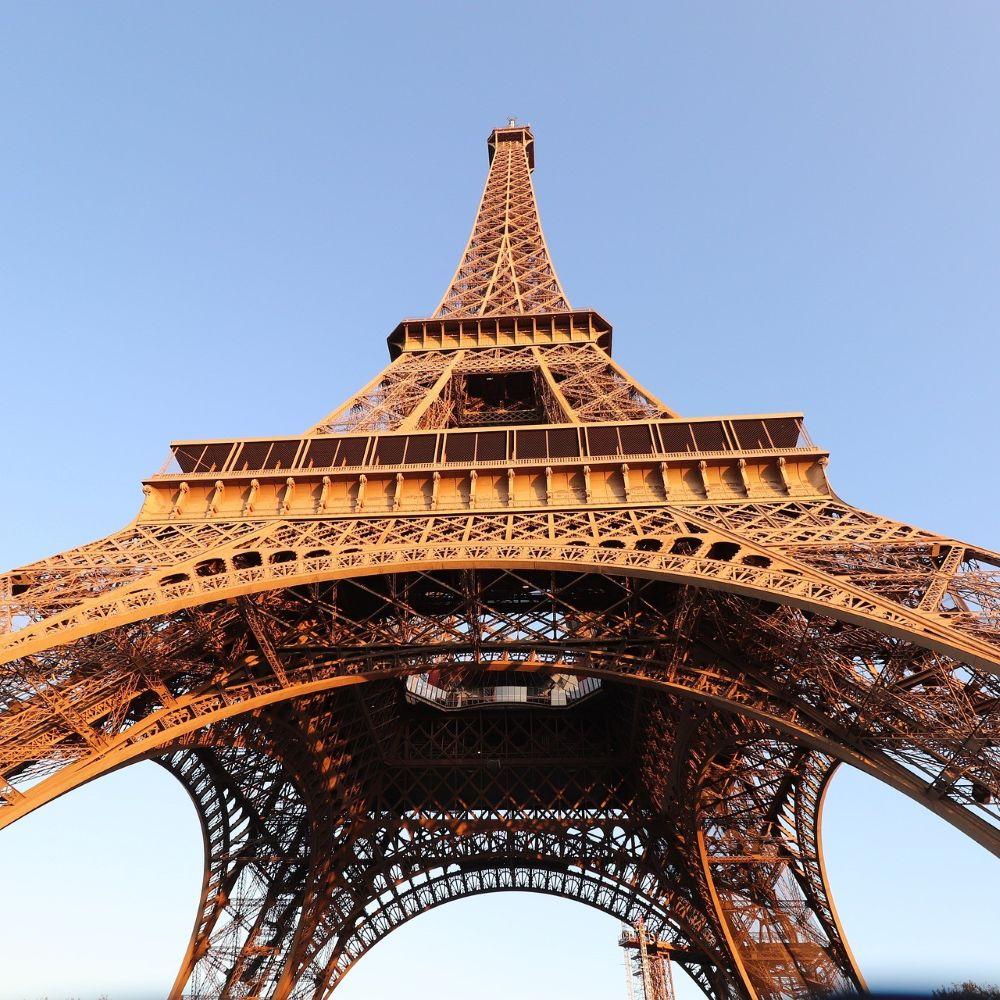
The plan to build the tower was a response to a competition published in the Official Journal to prepare for the Universal Exposition of 1889. The brief called for a square iron tower roughly 985 feet (300 meters) tall with sides of about 410 feet (125 meters), which would be the highest monument in the world. From 107 submissions, the proposal put forward by Gustave Eiffel, Maurice Koechlin, and Émile Nouguier was chosen, and the project and blueprints were finalized in June 1884.
Two years of work, against the odds
In all, the work took two years, two months, and five days, and the structure was christened on March 21, 1889. On completion, the engineer Gustave Eiffel climbed the 1,710 steps of the tower to place a French flag at the top himself. Nothing so tall had ever been built before, and at roughly 985 feet (300 meters) the tower would reign for 40 years as the tallest structure in the world, until 1929.
A formidable architectural challenge
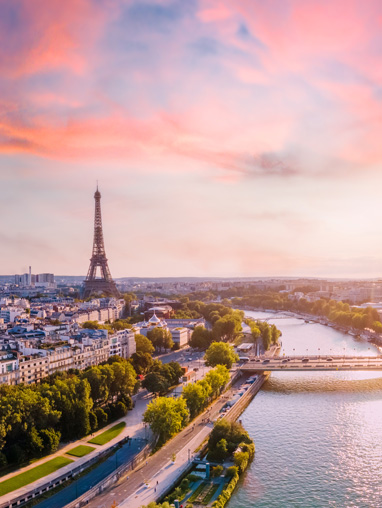
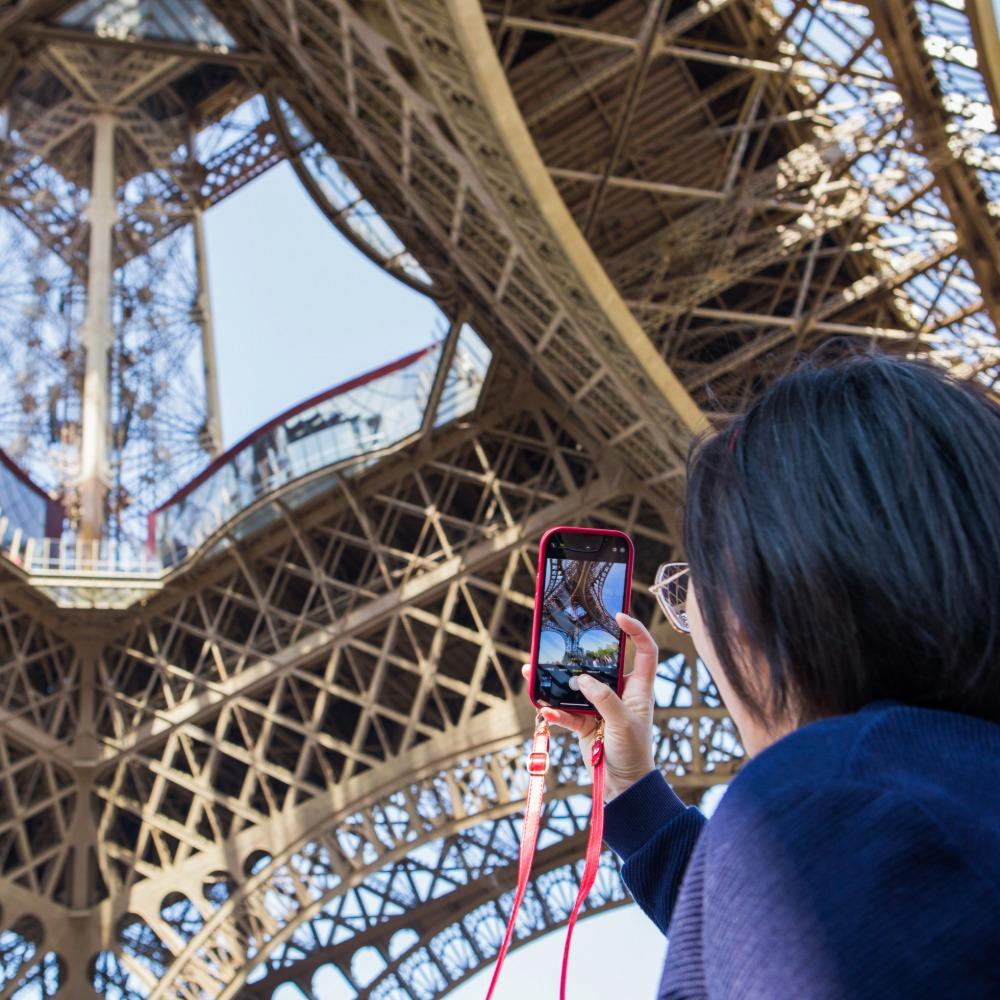
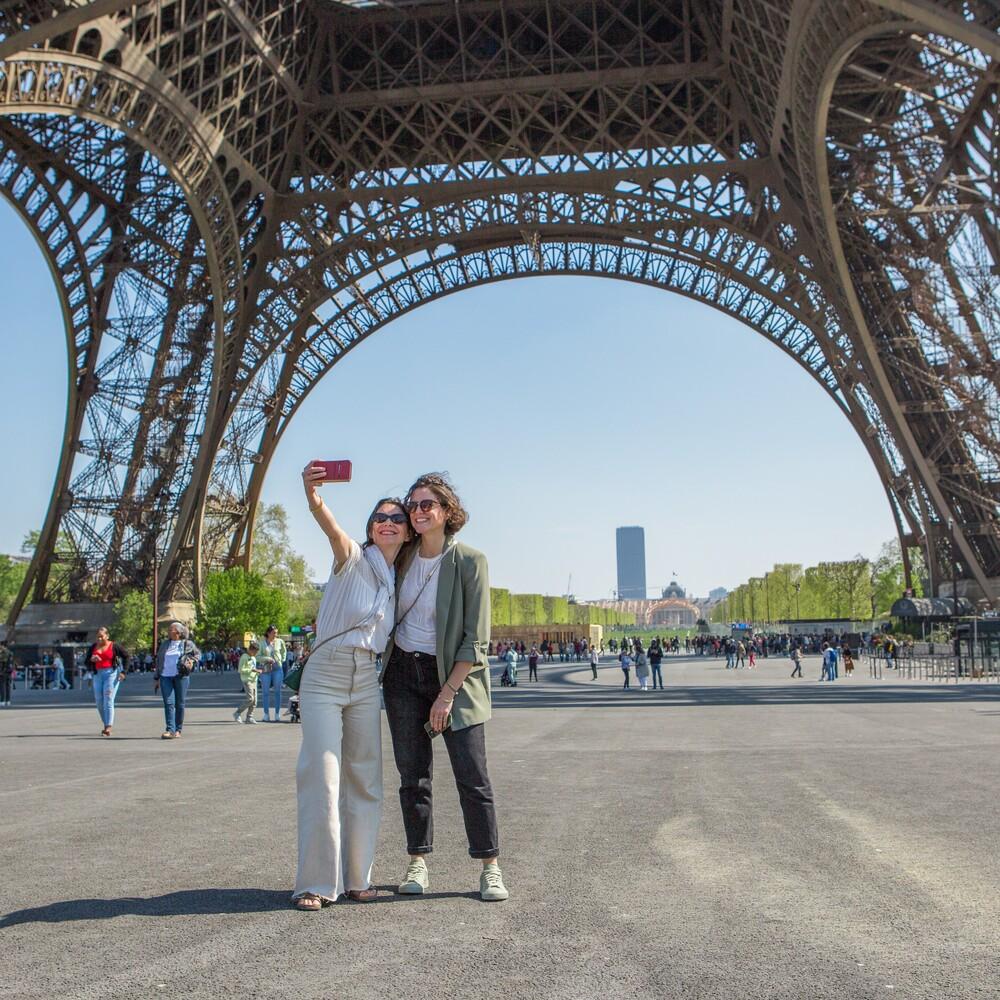
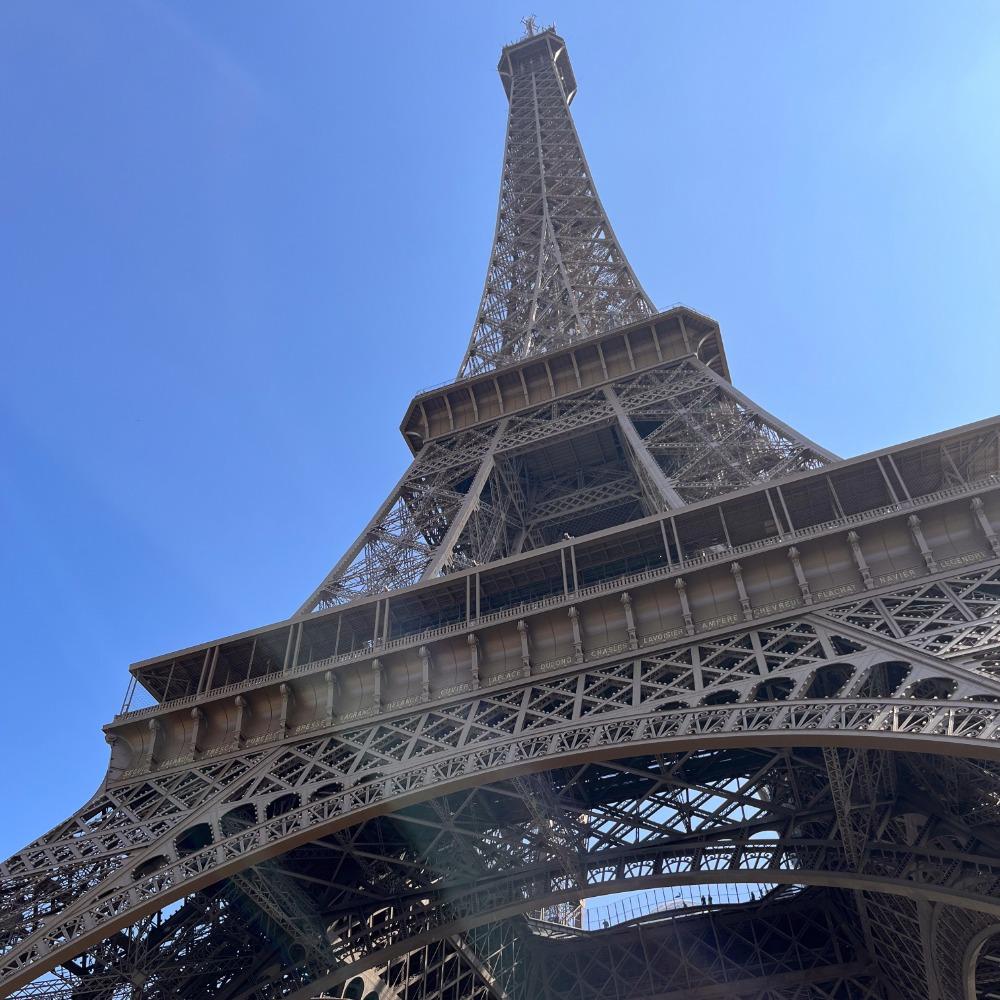
At the time, the kind of metal structure Eiffel chose had only been used for bridge piers far shorter than the tower. The project therefore posed a formidable challenge, with added constraints of wind resistance, sheer scale, and the deadline set by the opening of the Exposition. The undertaking seemed all the more far-fetched given its size and its location in the heart of Paris, where the tower and its 7,300 tons of iron gradually rose from the ground thanks to the labor of 300 workers perched on wooden scaffolding. This near-utopian project has since become an enduring success with the public.